Doxxing Can Now Put You in Jail: Woman Arrested for Sharing Man's Arrest Records Online
Posting someone's personal information online can have serious legal consequences, even if the records are public.
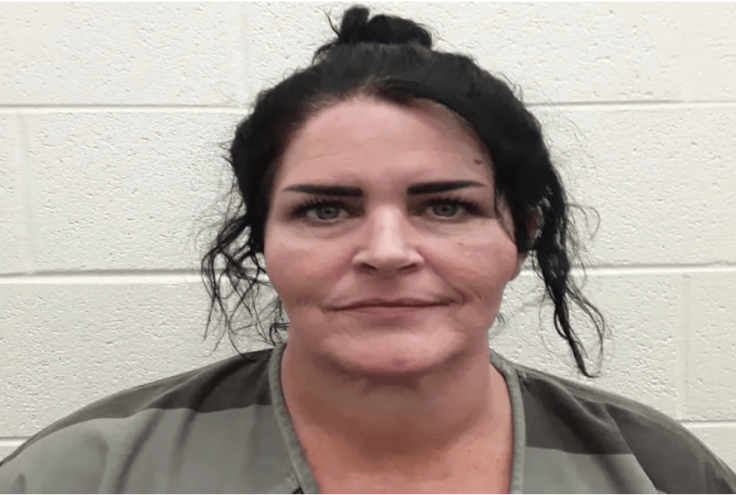
In Monroe County, Tennessee, a woman recently discovered that sharing information online can carry serious legal consequences. Emilee 'Emma' Berger, 28, posted a man's arrest warrant to a local Facebook group, believing it was harmless public information.
But what seemed like transparency quickly turned into a criminal case. Authorities arrested her and charged her with identity theft, highlighting just how far the law reaches when private details are exposed online.
How a Facebook Post Became a Legal Matter
The warrant Berger shared belonged to Mitchell Cook and included not just his name, but also his date of birth, driver's license number, and Social Security number. She posted it to a group called 'Uncensored Voices of Monroe County Revamped' on March 11, 2026. Cook reported the post to the Monroe County Sheriff's Office, concerned about the exposure of sensitive personal data.
Berger later tried to fix the situation by redacting the most sensitive details. By that point, however, the information had already circulated online. Detectives considered the unredacted post a criminal offense, and she was arrested two days later, on March 13. She was released on a $3,000 (£2,254) bond while the investigation continues.
Doxxing and Identity Theft: A Legal Line That's Easy to Cross
Many people assume that arrest records are fair game because they're public. But this case shows how dangerous that assumption can be. Even if the document is technically public, sharing it online with personal identifiers such as Social Security numbers or driver's license information can constitute identity theft.
Cybersecurity experts say cases like this are becoming more common. Posting arrest records or mugshots online may feel like exposing wrongdoing or keeping the community informed, but when it involves personal identifiers, the legal consequences can be severe. Social media crime now includes more than harassment or trolling; in certain situations, it can carry felony charges.
A woman has been charged with identity theft after she allegedly posted a man's arreste warrant that contained personal information on social media. https://t.co/evo7rNYeOX
— KKTV 11 News (@KKTV11News) March 15, 2026
The Perils of Online Vigilante Justice
Berger's situation also points to the rise of what experts call online vigilante justice. Social media can make it easy to share breaking news or hold people accountable, but when private information is involved, the risks multiply. A post intended to inform can quickly become an act of online harassment, or worse, a criminal offense.
Sheriff Tommy Jones emphasised that the key problem was the unredacted information in the original post. Simply correcting it afterward did not remove the criminal liability. This case sends a clear message: authorities are paying close attention to how social media is used, and online actions are no longer free from real-world consequences.
What Social Media Users Should Take Away
For anyone who posts content online, this is a cautionary tale. Public records do not automatically make it legal to share personal identifiers. Whether it's an arrest record, mugshot, or other sensitive information, sharing it online can expose you to serious legal trouble.
International audiences should take note: the laws may vary from country to country, but the principle is universal. Online behavior has real consequences, and even a single post can escalate into a criminal case. In the digital age, understanding legal boundaries is not optional—it's essential.
I spent hundreds of hours researching cases like this and let me say it now for everyone in the future, snitching doesn’t protect you. This woman will spend potentially years in prison all because she couldn’t shut the fuck up. https://t.co/qY3km5Qc5j
— Anansi’s Library (@Anansis_Library) March 5, 2026
To sum up, doxxing is no longer a trivial online offense. The case of Emilee Berger shows how quickly sharing someone's personal information online can become a criminal act.
For anyone using social media, the lesson is clear: think twice before posting, especially when it involves sensitive data. In a world where information spreads instantly, one post can have lasting, serious consequences.
© Copyright IBTimes 2026. All rights reserved.
- MOST POPULAR IN Crime