Europe Fears Trump Could Use Nuclear Weapons Against Iran, Threatening Mass Civilian Destruction: Report
European officials express concern over Trump's rhetoric and seek assurances from the US.
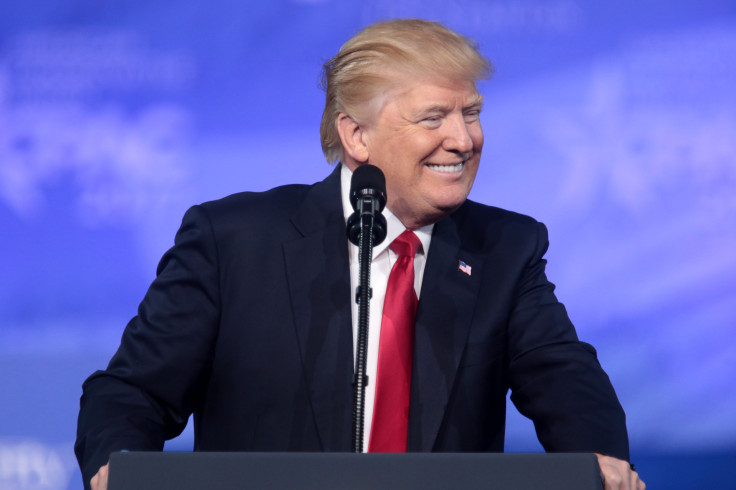
European allies reportedly sought urgent assurances from Washington after President Donald Trump warned that Iran's 'entire civilisation' could be wiped out, according to a new Reuters investigation that has reignited scrutiny over the administration's handling of diplomacy and military threats. The explosive revelation has intensified questions about whether Trump's language was mere political posturing or a sign that the White House was openly flirting with the prospect of catastrophic conflict.
The report revealed growing concern among European officials that Trump's rhetoric could escalate beyond political posturing, with diplomats allegedly pressing the US State Department for clarity on whether nuclear weapons were being considered in any potential confrontation with Iran. The alleged lack of clear answers deepened anxiety among allies already unsettled by rising tensions in the Middle East and Washington's increasingly unpredictable foreign policy approach.
Europe Alarmed Over Trump's Iran Threats
A detailed Reuters report examining the state of US diplomacy under Trump stated that European allies privately sought assurances that the United States would not deploy nuclear weapons against Iran. According to commentary circulating online following the report, European officials reportedly contacted the State Department after Trump's remarks raised fears about the possibility of catastrophic military escalation. Critics claimed officials either did not receive a direct response or were left uncertain about how seriously the administration was considering extreme military options.
Officials from Britain, France and Germany reportedly drafted what one European diplomat described as a 'harsh' joint statement. However, they ultimately chose not to release it, believing Trump was only talking tough and fearing public criticism could encourage further escalation before he later announced a two-week ceasefire with Iran.
Several allies, including Australia and New Zealand, publicly criticised Trump's statement against Iran. However, some others, including Japan, chose not to react.
'President Trump's statements changed constantly, so over time we stopped reacting to each one,' said Takeshi Iwaya, a lawmaker with Japan's ruling Liberal Democratic Party who served as foreign minister until October 2025. 'Reacting can just provoke unnecessary responses.'
The report added to broader concerns among Western allies over communication gaps within the administration and fears that diplomatic relationships with Europe have become increasingly strained. Some officials reportedly viewed the uncertainty itself as alarming, particularly given the scale of destruction implied by Trump's language.
Trump's 'Entire Civilisation' Remark Intensifies Global Fears
The controversy stems from Trump's earlier remarks warning Iran that an escalation could destroy its 'entire civilisation.' He made the statement on Truth Social, and it rapidly spread across social media and drew condemnation from critics who argued the rhetoric crossed a dangerous line for a sitting US president.
'A whole civilization will die tonight, never to be brought back again,' Trump wrote. 'I don't want that to happen but it probably will.'
Trump did not explicitly mention nuclear weapons in the statement. However, the scale of the threat prompted speculation and concern internationally, particularly among European governments attempting to gauge whether the comments reflected actual military considerations or political intimidation.
Political analysts noted that language involving the destruction of an entire civilisation carries severe geopolitical implications because it evokes fears of mass civilian casualties rather than conventional military retaliation. The remarks also arrived amid heightened instability in the region, amplifying diplomatic tensions between Washington, Tehran and key US allies.
President Donald Trump is threatening that a “whole civilization will die tonight” pic.twitter.com/LXoXnfPZuN
— Jonathan Lemire (@JonLemire) April 7, 2026
Public Backlash Grows As Critics Demand Consequences
The reaction online was swift, with critics accusing Trump of recklessly escalating tensions and using inflammatory rhetoric unbecoming of a world leader. Calls for accountability intensified, with many calling for the POTUS' impeachment.
'Donald Trump must be impeached,' Representative Ilhan Omar wrote on X. 'When will it be enough for my Republican colleagues to grow spines and remove him from office?'
Pope Leo also condemned Trump's threat against Iran, calling it 'truly unacceptable.' He also added, 'God does not bless any conflict; to cry out to the world that whoever is a disciple of Christ, the Prince of Peace, never stands on the side of those who yesterday wielded the sword and today drop bombs.'
Others defended Trump's remarks as aggressive diplomatic positioning intended to deter Iran rather than signal imminent military action. Still, even allied governments were uncertain about the administration's intentions.
The controversy has again placed Trump's foreign policy style under intense scrutiny as tensions involving Iran continue to dominate international security discussions. European governments have not publicly commented in detail on the Reuters findings, though the report has already fuelled renewed debate over the risks posed by escalating rhetoric between world powers.
© Copyright IBTimes 2026. All rights reserved.
- Recommended For You