

Where Does Texas Education Stand? Gina Hinojosa Pledges To Oust State Education Chief Mike Morath
Hinojosa has pledged to appoint a new education commissioner, increase public-school funding and return control of Houston ISD to its elected leaders
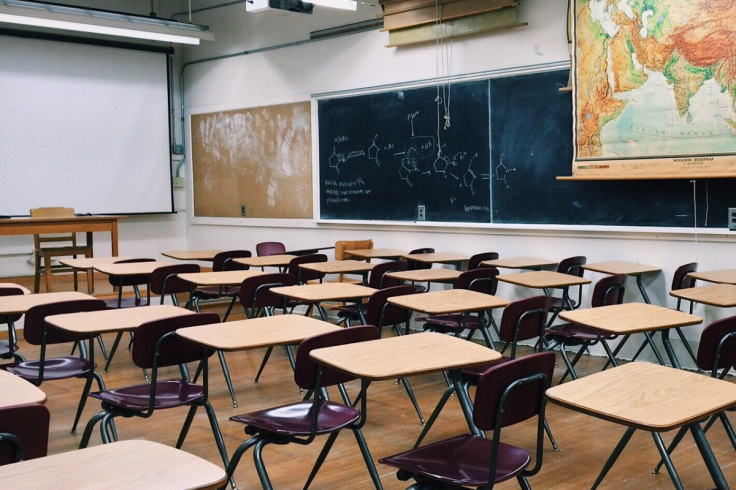
Texas public education faces a pivotal moment, with millions of students, parents and educators across the state confronting longstanding concerns about academic performance and school governance. With the state ranking near the bottom of national education attainment measures, Texas is at a crossroads. The question for many is what it will take for the Lone Star State to improve its educational outcomes. Democratic Governor-elect Gina Hinojosa is preparing to reshape the state's education leadership when she takes office in January, raising expectations for changes that supporters say are long overdue.
While Hinojosa's promise to replace Texas Education Commissioner Mike Morath has drawn significant attention, the broader challenge is transforming the educational landscape for approximately 5.5 million public school students. Meaningful progress will require addressing the systemic issues that have continued to affect Texas's educational performance.
The Current Educational Landscape
In WalletHub's 2026 report on the most and least educated states in America, Texas ranks 41st out of 50 states, with a total score of 39.98. The report places Texas 41st in educational attainment and 49th in the proportion of adults who have completed at least a high school diploma. However, the state ranks 22nd in overall education quality, suggesting areas where improvement may be possible.
These statistics provide the backdrop against which the Texas Education Agency (TEA), led by Morath since his appointment in 2016 by Republican Governor Greg Abbott, is assessed. The TEA is responsible for distributing state and federal school funding, overseeing standardised testing, assigning A-F accountability ratings and exercising the authority to intervene in underperforming districts.
Supporters of the current approach argue that accountability measures and state interventions have helped improve academic outcomes in struggling schools. Critics, however, contend that the emphasis on standardised testing undermines broader educational goals. In an interview with The Texas Standard last October, Hinojosa, a former Austin Independent School District board president, expressed concerns about public schools under Morath's leadership. She criticised the TEA for developing assessments and grading criteria after exams had been administered.
The Struggle for Local Autonomy
The debate over Texas's educational direction is particularly pronounced in the Houston Independent School District, the state's largest school system. In 2023, the TEA removed the district's elected school board and superintendent, replacing them with state-appointed managers following years of poor academic performance.
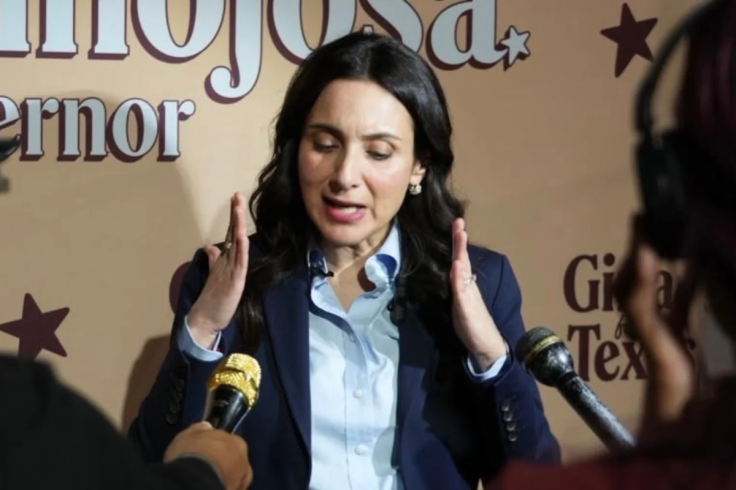
Although proponents point to improvements in school accountability ratings following the takeover, critics argue that the intervention deprived parents and communities of democratic oversight. According to Houston Public Media, Hinojosa vowed in a July interview with the Houston Press to return the school district to the people of Houston. She also opposed potential state intervention in Austin ISD over special education deficiencies. Her broader plan includes increasing public school funding, raising teacher salaries and opposing Texas's private school voucher programme, which uses public funds to subsidise private school tuition.
Political Challenges on the Horizon
Despite promising supporters that she would dismiss Morath on her first day in office, his third term is due to expire on 10 January, nine days before Hinojosa's inauguration on 19 January. This timing would allow her to appoint a successor rather than remove him directly.
Nevertheless, changing Texas's educational trajectory will be challenging for the incoming governor. Her nominee for education commissioner must secure confirmation from the Texas Senate, where Republicans retained a majority even as Democrats gained control of the Texas House. The appointment also requires a two-thirds Senate vote. In addition, key TEA powers over testing and district interventions remain enshrined in state law.
As the pieces continue to shift in Texas's educational landscape, attention will turn to Hinojosa and whether she can create an environment in which the state's educational ambitions can be realised.
© Copyright IBTimes 2026. All rights reserved.