How to Safely Transport Dogs on London Tube Escalators and Avoid TfL Penalties and Injuries
Essential guidance reveals why dogs must be carried on London Underground escalators and how to avoid costly penalties across the network.
Thousands of commuters navigate the subterranean depths of the British capital every day alongside their loyal four-legged companions, guided by official London Underground dog travel rules.
Transport for London (TfL) maintains a remarkably welcoming approach, allowing domestic pets to ride completely free of charge across the network. Yet, beneath the bustling platforms and screeching rails, navigating the city with a cherished family pet requires more than just a tap of an Oyster card.
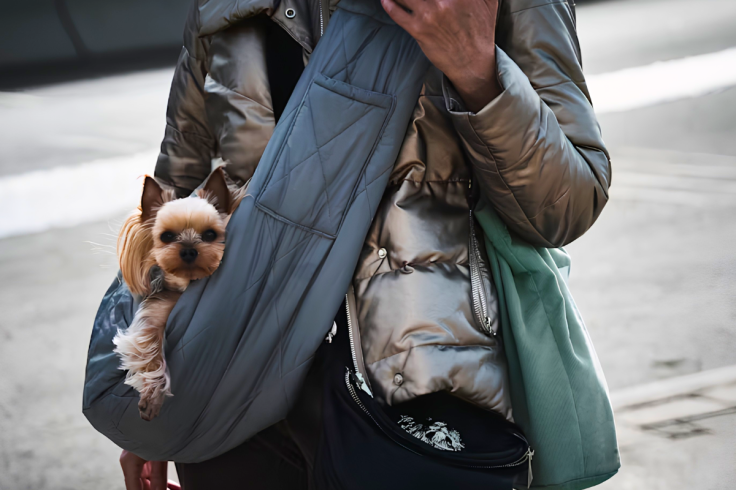
Under strict Transport for London pet policy guidelines, owners face unique logistical hurdles, particularly the mandatory requirement of carrying dogs on Tube escalators safely to protect delicate paws from moving metal machinery.
For millions of devoted dog owners across the United Kingdom, mastering these transit customs transforms a stressful morning commute into a heartwarming daily ritual of companionship and urban adventure.
London's Underground Commuters' Real-life Experience
Sebastian is a regular commuter who rides the Tube with his corgi mix, Bagel, whom he has brought along since Bagel was just a year old.
'I know what Bagel is afraid of and when he's scared. The tube doesn't scare him. If it ever did, we'd figure another way of getting around London,' Sebastian explains, reflecting the deep bond shared between pet parents and their animals.
Similarly, regular rider Vivi and her English Labrador emphasise the practical realities of subterranean travel, noting that carriages can become intensely warm during warmer months, making portable water supplies an absolute necessity for keeping pets comfortable.
Experienced owners often recommend short practice runs to desensitise puppies early, helping them grow completely comfortable with loud noises and bustling crowds before tackling peak hours.
Timing Your Journey for a Stress-Free Ride
Both Sebastian and Vivi avoid peak travel windows, which helps ensure a pleasant, stress-free experience for both dog and owner.
Peak hours run from Monday to Friday between 6:30am and 9:00am, and from 4:00pm to 7:00pm, excluding bank holidays.
Travelling during off-peak times prevents animals from becoming overwhelmed by crushing crowds or accidentally stepped on.
Additionally, owners must never forget vital physical precautions, such as lifting and carrying dogs across moving station escalators to prevent paws or tails from becoming trapped in metal machinery.
By planning ahead, respecting fellow travellers, and knowing a pet's individual limits, Londoners continue to prove that the Underground stands proudly as one of the most welcoming transit networks for animals in the world.
Mastering Etiquette and Passenger Consideration
Maintaining harmony across a crowded public transit network relies heavily on mutual respect and strict adherence to basic behavioural standards.
Not all passengers feel comfortable around animals, and owners must remain mindful that children or nervous commuters may feel uneasy.
Dogs must remain tethered on a short lead or secured inside an appropriate travel carrier at all times, and transit regulations explicitly forbid animals from occupying passenger seats.
If a fellow passenger looks uncomfortable or requests space, responsible owners promptly respect the boundary to prevent conflict.
To add a touch of personality while ensuring safety, commuters like Suzy use clever identification tags featuring a contact phone number on one side alongside a witty message on the reverse: 'Have your people call my people.' Furthermore, owners carry full financial and legal responsibility for any behaviour, damage, or injury caused by their pets.
Avoiding Stiff TfL Penalties and Fines
While the transit network welcomes well-behaved pets, behavioural standards remain strictly enforced by frontline personnel.
Dogs must remain securely tethered on a short lead or enclosed within a secure carrier at all times throughout the journey. Crucially, TfL regulations explicitly forbid animals from occupying passenger seats, keeping seating areas clean for human commuters.
Station staff possess the legal right to deny entry or demand immediate departure if an animal displays excessive reactivity or aggression.
Furthermore, breaking core carriage regulations can trigger severe legal consequences, with officials warning that rule violations may attract a Level 3 fine scalling up to £1,000 under local transit bylaws. Owners bear absolute financial and legal responsibility for any property damage, fouling, or injuries caused by their pets during transit.
For owners travelling with larger breeds that exceed a safe lifting weight, navigating escalator-only stations requires alternative route planning.
Passengers must utilise station lifts or traditional staircases to bypass moving steps safely. If an escalator presents an unavoidable barrier, travellers can request staff assistance outside of rush hours to temporarily halt the mechanism, ensuring that heavy dogs reach platforms without physical harm.
© Copyright IBTimes 2026. All rights reserved.
- Recommended For You