

EasyJet Flight Return and Ryanair Window Incident: Can Passengers Claim Compensation?
The easyJet and Ryanair incidents show why passenger compensation depends on what caused a flight disruption
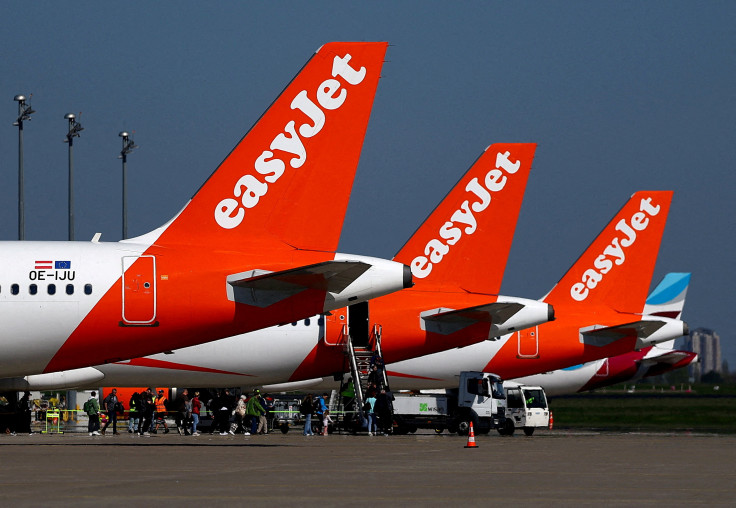
A Liverpool-bound easyJet flight was forced to return to Tenerife after a fight involving around 10 passengers broke out on board, prompting police to meet the aircraft on arrival. The incident has renewed questions over when passengers may be entitled to compensation after emergency flight disruptions, particularly as airlines face a rise in disruptive behaviour.
While no injuries from the altercation have been reported, the disruption has prompted passengers to ask whether airlines must provide compensation following emergency returns and what legal protections apply when flights are interrupted by unexpected incidents.
What Happened on the EasyJet Flight?
According to Spanish air traffic control, the crew requested an immediate return to Tenerife South Airport after a group of around 10 passengers began fighting on board. EasyJet confirmed the aircraft returned because of 'a group of passengers behaving disruptively' and said police met the flight on arrival.
'Our cabin and ground crew are trained to assess all situations and to act quickly and appropriately to ensure that the safety of the flight and other customers is not compromised at any time,' the airline said.
After the disruptive passengers were removed, the 186-passenger aircraft continued to Liverpool, arriving nearly two hours behind schedule.
The incident comes amid growing concern over disruptive passenger behaviour. Data previously reported by Sky News showed reports of unruly passengers have increased significantly since the COVID-19 pandemic, with airlines and the UK government considering stronger measures, including a shared database of disruptive travellers.
Can Passengers Claim Compensation?
Whether passengers are entitled to compensation depends largely on why the disruption occurred.
Under the UK's retained EC261 passenger rights rules, travellers may be eligible for compensation when flights are significantly delayed or cancelled. However, airlines are generally not required to pay standard compensation if the disruption results from extraordinary circumstances beyond their control.
Violent or disruptive passenger behaviour is typically regarded as an extraordinary circumstance because it poses an immediate safety risk and requires the captain to prioritise the security of everyone on board.
Passengers may still be entitled to care and assistance, including meals or refreshments during extended delays, depending on the length of the disruption and the airline's obligations.
How easyJet Compares With the Ryanair Incident
The easyJet incident differs significantly from the Ryanair emergency involving a shattered cabin window over Greece earlier this month.
In that case, Serbian businessman Ljubisa Karović suffered injuries after debris believed to have struck the aircraft shattered a window, causing rapid cabin depressurisation. He later described being partially pulled through the broken window before fellow passengers helped pull him back into the cabin.
CBS News examines the Ryanair emergency, featuring Karović's account of the incident, Ryanair's response, and the ongoing investigation into what caused the cabin window to shatter.
Because passengers were injured, the Ryanair incident raises additional legal questions under the Montreal Convention, which governs compensation for injuries sustained during international flights.
Unlike compensation for delays, claims under the Montreal Convention can cover medical expenses, lost earnings, and other proven losses where injuries result from an accident on board the aircraft. The Ryanair incident remains under investigation by the US National Transportation Safety Board, with Greek authorities assisting.
Why the Cause of an Emergency Matters
The legal outcome often depends on what caused the disruption. If an emergency results from circumstances outside an airline's control, such as disruptive passengers, severe weather, or foreign-object damage to an aircraft, carriers may not be required to pay fixed compensation for delays under passenger rights legislation.
However, separate claims involving personal injuries are assessed under different legal frameworks and may still succeed regardless of whether the airline was at fault. That distinction explains why the easyJet and Ryanair incidents are likely to be treated differently despite both involving emergency returns.
Why This Matters for Travellers
Emergency returns remain rare, but recent incidents involving both easyJet and Ryanair have highlighted the different legal protections available to passengers.
Travellers affected by an emergency flight should retain boarding passes, receipts, medical records, and any correspondence with the airline if they believe they may have a claim.
Whether compensation is ultimately available will depend on the specific circumstances of each incident, the findings of any official investigation, and the legal framework governing the disruption.
© Copyright IBTimes 2026. All rights reserved.