Trump Admin Quietly Brings Back Migrant Workers to Fix the Farm Labour Shortage It Created
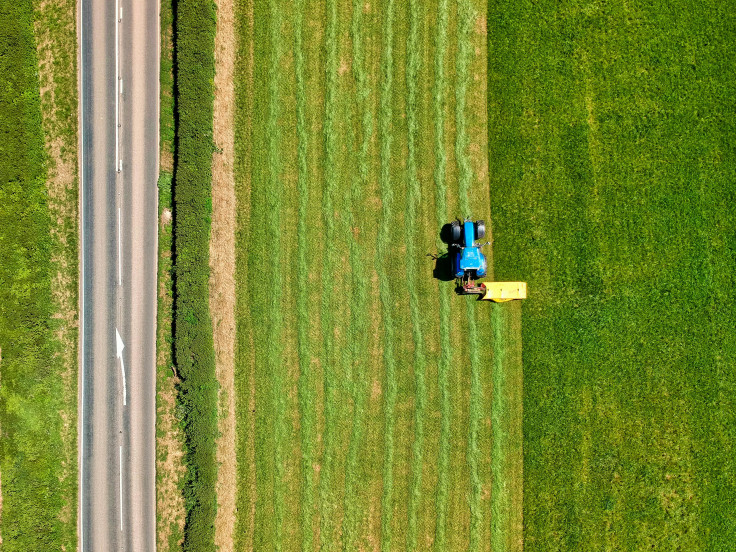
The future of America's agricultural workforce has become an urgent economic issue as President Donald Trump's immigration policies collide with farms' long-standing dependency on migrant labour. Across the United States, farmers say it is increasingly difficult to find enough people to harvest crops and maintain food production. In response, many agricultural businesses have turned to the H-2A visa programme, which permits US employers to hire foreign workers for seasonal agricultural jobs.
Farmers Find New Solution to Labour Shortage
For decades, US agriculture has relied on immigrant labour. Government estimates suggest roughly 40% of the nation's two million farmworkers lack legal immigration status, meaning enforcement actions can quickly disrupt the workforce when arrests or deportations increase. As immigration raids intensify in some regions, farmers report losing experienced workers who have spent years performing physically demanding jobs in the fields.
To fill the gap, farmers have already started relying on the H-2A visa programme during harvest time. The programme has expanded significantly in recent years and now accounts for a sizeable portion of the farm labour force.
While it sounds like an easy solution, the visa system is still widely viewed as complicated and expensive for growers to use. With the programme, employers are still required to provide housing, transportation and other benefits to workers they sponsor.
Despite these challenges, farmers increasingly see the programme as one of the only reliable ways to maintain their operations. It is said that American workers rarely apply for the physically demanding, low-paid jobs required in agriculture, particularly during peak harvest seasons. Without enough labour, crops can spoil in the fields, costing farmers significant losses and potentially pushing food prices higher.
At the same time, immigration policy debates in Washington have added uncertainty to the system. Trump has promoted stricter immigration enforcement and mass deportations while also acknowledging the need for labour in agriculture. His administration has pointed to the H-2A visa programme as a legal way for farmers to hire foreign workers while discouraging unauthorised immigration.
How Does the H-2A Visa Program Work?
The H-2A visa programme was officially launched as a solution to the labour shortage back in June. Although there have been several difficulties, including panicked internal emails within the Labour Department as they struggle to keep up with demands, it's clearly the only option for agricultural businesses at the moment. Progress may be slow, but it certainly brings hope to farmers as they anticipate the harvesting season.
Meanwhile, the broader agricultural economy is feeling the pressure. Industry groups warn that labour shortages are already disrupting production in sectors like fruit, vegetables and dairy. Some experts say the problem could grow worse if immigration enforcement continues without reforms that provide farmers with a stable workforce.
For now, farmers across the country remain caught between the realities of labour shortages and the complexities of immigration policy. As the debate continues, the future of the US food supply may increasingly depend on whether policymakers can strike a balance between border enforcement and the agricultural sector's reliance on migrant labour.
© Copyright IBTimes 2026. All rights reserved.
- MOST POPULAR IN World