

Trump's Renewed Greenland Threat Reopens Europe's Unfinished Security and Sovereignty Debate
Renewed US interest in Greenland raises questions about transatlantic relations and European security.
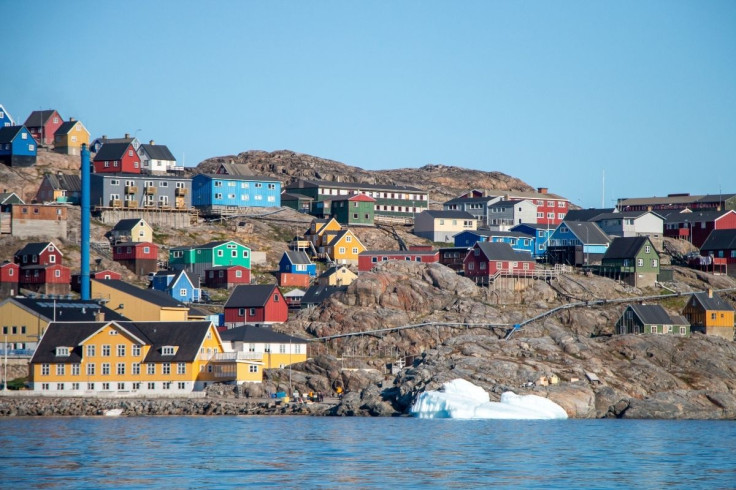
Donald Trump's renewed calls for the United States to take control of Greenland have reignited concerns across Europe, reopening a debate about sovereignty, security, and the future of transatlantic relations that many leaders believed had been settled months ago.
The latest controversy emerged ahead of a NATO summit after Trump once again argued that the United States should 'control' Greenland, claiming Denmark had failed to invest sufficiently in the Arctic territory's security. The remarks prompted swift responses from Danish and European leaders, who reiterated that Greenland is not for sale and remains part of the Kingdom of Denmark.
For many European policymakers, the dispute extends beyond Greenland itself. The renewed rhetoric has revived broader concerns about whether Europe can continue relying on the United States as its primary security guarantor at a time of growing geopolitical uncertainty.
Denmark Rejects Renewed Pressure
Danish Prime Minister Mette Frederiksen responded by stressing that Greenland's future can only be determined by its people and that Danish sovereignty must be respected.
Her comments echoed previous statements made earlier this year when Trump revived his long-standing ambition to acquire the Arctic territory. Greenland's leaders have also repeatedly rejected any suggestion that the island could become part of the United States, insisting that decisions about its future belong to Greenlanders themselves.
The dispute has placed Denmark in an unusual position. As one of Washington's closest NATO allies, Copenhagen has traditionally maintained strong ties with the United States. Yet Trump's comments have forced Danish leaders to publicly defend their territorial integrity against pressure from a fellow alliance member.
Why Greenland Matters
Greenland has become increasingly important in global geopolitics because of its strategic Arctic location, growing military significance, and vast natural resources.
The island sits between North America and Europe and plays a key role in Arctic security and early-warning defence systems. Melting ice has also increased international interest in shipping routes, mineral deposits, and other economic opportunities across the region.
Trump has repeatedly argued that greater American control over Greenland would strengthen US national security interests. However, European officials view the issue through a different lens, seeing it as a question of sovereignty and international law rather than strategic acquisition.
Europe's Growing Security Anxiety
The renewed Greenland debate comes at a sensitive moment for Europe.
Russia's ongoing war in Ukraine has already forced European governments to increase defence spending and reassess their long-term security strategies. At the same time, Trump's criticism of NATO and suggestions that Europe should assume greater responsibility for its own defence have intensified discussions about strategic autonomy.
Some European leaders fear that disputes involving Greenland could further strain relations within NATO and undermine confidence in the alliance's collective defence principles. The concern is not merely about the Arctic territory itself but about what the controversy reveals regarding future US-European relations.
Sovereignty Test Ahead
Despite the renewed tensions, neither Denmark nor Greenland has shown any willingness to reconsider their position.
European leaders continue to emphasise support for Danish sovereignty while seeking to avoid a deeper confrontation with Washington. However, Trump's latest remarks have demonstrated that the Greenland issue remains far from resolved.
For Europe, the episode has reopened uncomfortable questions about sovereignty, alliance commitments, and the continent's long-term security future—questions that many hoped had already been answered.
© Copyright IBTimes 2026. All rights reserved.