Trump Says He Deserves 'Reparations' From Taxpayers Over the Probes He Faced, Sparking Backlash
US President Donald Trump claims entitlement to reparations for legal battles, stirring controversy

US President Donald Trump has sparked fresh political controversy after saying he believes he deserves 'reparations' following the investigations and criminal prosecutions he faced before returning to the White House.
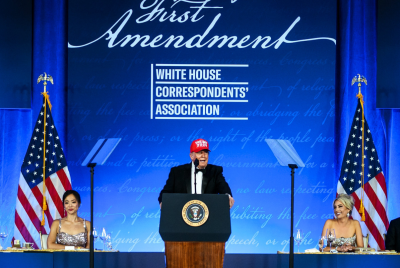
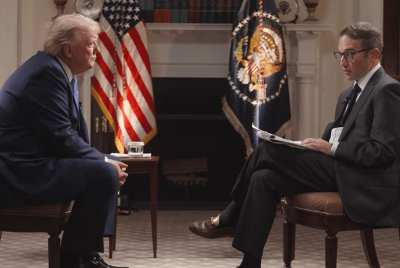
Trump made the remarks during a recent interview while discussing the legal cases brought against him, arguing that years of investigations had cost him financially and personally. His comments quickly sparked debate across social media and among political commentators, with supporters arguing he had been unfairly targeted and critics questioning his use of the term 'reparations'.
The remarks have renewed discussion about Trump's legal battles, the role of the justice system and the political divisions that have surrounded the investigations into the President over recent years.
What Did Trump Say?
During the interview, Trump argued that the investigations caused him significant financial losses and damaged his reputation.
'I think I'm entitled to reparations,' he said, maintaining that the cases brought against him were politically motivated and intended to prevent his return to office.
Trump has repeatedly described the investigations into his business dealings, his handling of classified documents and his efforts to challenge the 2020 presidential election results as examples of what he calls 'weaponised' law enforcement. He has consistently denied wrongdoing and characterised the prosecutions as politically motivated.
The remarks marked one of Trump's clearest public statements suggesting he believes he should be compensated for the legal battles he has faced.
Critics Question Trump's Use of the Term
Trump's comments drew swift reactions online, with many critics arguing that the word 'reparations' has historically been associated with compensation for slavery, racial discrimination and other historic injustices, while also being used in other legal contexts involving proven wrongdoing.
Some commentators argued that using the term in relation to his own legal challenges risked diminishing its historical significance. Others questioned whether public officials should receive compensation simply because they had been investigated, particularly where no court has determined that prosecutors acted unlawfully.
Supporters Argue Investigations Were Politically Motivated
Supporters defended Trump's remarks, arguing that several of the investigations did not ultimately produce the outcomes prosecutors initially pursued and reinforced his long-standing claim that he had been unfairly targeted.
Some conservative commentators also argued that Trump was speaking broadly about accountability within government rather than outlining a formal legal proposal to seek compensation.
Is Compensation Legally Possible?
Legal experts note there is no automatic legal mechanism allowing a sitting president to receive government compensation solely because they were investigated.
Individuals may pursue claims against the government in limited circumstances, such as cases involving wrongful prosecution or official misconduct, but those claims require specific legal findings and must be resolved through the courts.
Trump has not announced any formal legal action seeking compensation from the federal government.
Remarks Add To Ongoing Political Debate
The comments are the latest in a series of statements by Trump criticising prosecutors, judges and law enforcement officials involved in the investigations against him.
Supporters continue to argue that the cases reflected political persecution, while critics maintain that the investigations were legitimate exercises of the justice system.
Whether Trump's remarks were intended as a serious legal proposal or as political rhetoric, they have once again fuelled debate over his legal history, his presidency and the role of government investigations in American politics.
© Copyright IBTimes 2026. All rights reserved.
- Recommended For You