

Trump's BBC Lawsuit Could Force an Unprecedented Look Inside His Business Empire
A federal judge ruled that Trump's claims of business harm allow the BBC to seek financial records despite efforts to narrow the case
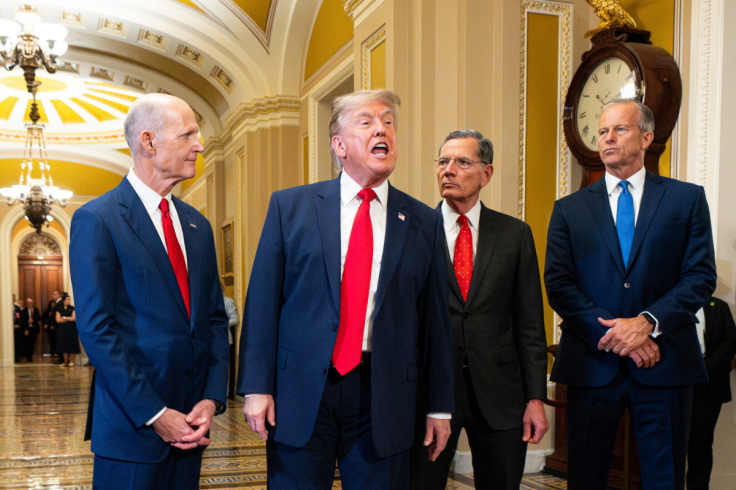
Donald Trump's defamation lawsuit against the BBC could expose parts of his sprawling business empire to an unusually high level of scrutiny after a US federal judge ruled that the broadcaster can seek financial records linked to companies held in the Trump family trust.
The decision significantly broadens the scope of the legal battle after Trump's lawyers attempted to limit the case to reputational damage rather than claims that the BBC documentary harmed his business interests. Instead, the court found that Trump's original complaint placed the financial health of his companies directly at issue.
The ruling could force unprecedented scrutiny of parts of Trump's business empire as the discovery process moves forward, although the president may still appeal the decision.
Why the Judge Ordered Financial Disclosure
US Magistrate Judge Enjoliqué Lett ruled that Trump's lawsuit alleged harm, not only to his personal reputation, but also to his businesses and brand.
'All of President Trump's brand, properties and businesses are impugned or said to have been impugned. Reputational, economic damages, all of that is now at issue in this case,' Lett said during the hearing.
The judge concluded that because Trump sought damages tied to his businesses, the BBC was entitled to request financial information relevant to those claims. The ruling allows the broadcaster to seek records relating to more than 400 companies held through the Trump family trust, although Trump retains the right to appeal before a district judge.
Why Trump's Legal Strategy May Have Backfired
During the hearing, Trump's lawyers argued that the case had 'evolved' and that the president was no longer seeking compensation for business losses allegedly caused by the BBC's 2024 documentary. Instead, they said the lawsuit now centred solely on damage to Trump's reputation after the programme edited footage from his 6 January 2021 speech in a way Trump claims falsely suggested he encouraged violence.
However, the BBC argued that Trump's original complaint repeatedly referred to economic harm and damage to his business interests, making those issues central to the case. Judge Lett agreed that the existing complaint still placed Trump's companies at the centre of the litigation and said she could not simply disregard those allegations during discovery.
What the BBC Could Now Examine
The ruling does not mean the BBC will automatically gain public access to Trump's financial records, but it gives the broadcaster the legal right to seek documents that could support its defence. The network has also asked to depose Trump under oath as part of the case.
Separately, the BBC is seeking dismissal of the lawsuit, arguing that it lacks sufficient business operations in Florida for the federal court to exercise jurisdiction. That issue has yet to be decided.
Why the Decision Matters
Legal experts have long noted that defamation lawsuits can expose plaintiffs to extensive discovery when they claim their businesses suffered financial damage.
In this case, Trump's own allegations about economic harm created the basis for the BBC to request detailed financial information that might otherwise have remained private.
Whether those records ultimately become part of the public court record will depend on future rulings, appeals, and any confidentiality orders issued during the litigation. However, the latest decision illustrates how high-profile lawsuits can expand beyond the original dispute and place a plaintiff's wider business interests under judicial scrutiny.
© Copyright IBTimes 2026. All rights reserved.