

Rejections Surge for Melania Trump's 'Einstein Visa' Category as 2026 Approval Rate Drops to 32%
Federal figures cited by The Washington Post show a steep decline in EB-1A approvals, while immigration lawyers question how officials are assessing exceptional talent
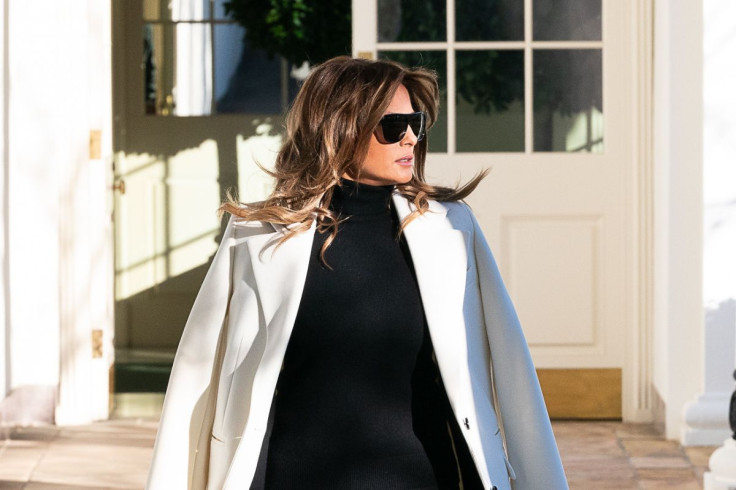
The US approval rate for petitions in the EB-1A 'Einstein Visa' category fell to 32% by mid-2026 from 75% towards the end of Joe Biden's presidency, according to federal figures cited by The Washington Post.
Melania Trump, now 56, was working as a model when she secured an EB-1 visa in 2001. The approval put her on the path to American citizenship and eventually enabled her to seek residency for her parents. The federal figures cited by the Post track the outcomes of petitions specifically in the EB-1A category, which is reserved for people with 'extraordinary ability' in their fields.
What the 'Einstein Visa' Figures Show
Towards the end of Biden's presidency, three in four EB-1A petitions succeeded. By the middle of 2026, under Donald Trump, the proportion had fallen to just under one in three. In a separate projection for the fourth quarter of the fiscal year, immigration analytics firm Lawfully estimated an approval rate of around 27%.
The number of people securing approval also fell. About 5,200 people received EB-1A approvals in the first nine months of the fiscal year, compared with almost 8,900 over the equivalent period two years earlier. Those totals give a measure of how many people succeeded. Neither figure gives the number whose petitions officials rejected.
For Kate Angustia of the American Immigration Lawyers Association, the fall in the approval rate raised a question about the administration's own description of the people it wants to attract.
'It's a huge, huge drop,' Angustia told the Post. 'It's strange because the Trump administration has repeatedly said they want the best and the brightest.'
How Officials Assess 'Einstein Visa' Petitions
Olympic medallists and Oscar recipients are among those eligible for the visa. In Melania Trump's case, her modelling résumé came under scrutiny during her husband's first term. Her work included an appearance in the 2000 Sports Illustrated swimsuit issue, in which she posed in swimwear with an inflatable orca.
For applicants seeking to establish exceptional ability in their own fields, satisfying the initial qualifying test does not guarantee approval. Immigration lawyers say officials increasingly appear to rely on their own judgement of an applicant's talent even when the candidate meets that test. Some legal practices have stopped handling EB-1A petitions altogether.
An Entrepreneur's 'Einstein Visa' Rejection
Memphis lawyer James Hollis described the case of a technology entrepreneur who had raised more than $60 million in venture financing and sold businesses. The entrepreneur had also appeared in 20 news stories. Despite those achievements, his petition was rejected.
Hollis was particularly critical of what he saw as the effect of such decisions on entrepreneurs working in artificial intelligence. 'They're killing AI entrepreneurs,' he said. 'They're absolutely annihilating them.'
The reason for the wider decline in approvals is less clear. The Post could not establish whether the Trump administration had specifically instructed immigration officials to take a tougher line when assessing EB-1A petitions. Weaker petitions and a depleted immigration workforce were among the possible explanations for some of the rejections.
The Daily Beast sought comment from the White House, the Department of Homeland Security and US Citizenship and Immigration Services.
© Copyright IBTimes 2026. All rights reserved.