The 'Weed Walk-Out': Is a Silent Protest Crippling US Military Readiness?
Rumors of a 'silent protest' through marijuana use raise questions about military discipline and morale.
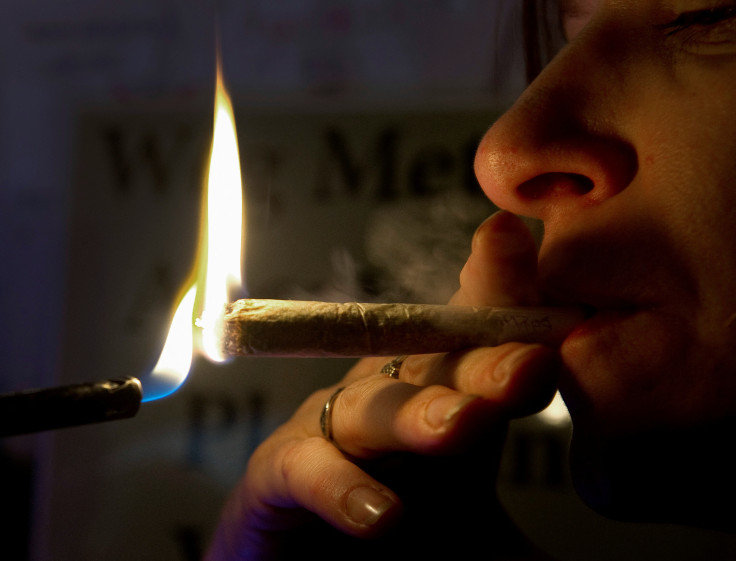
Unverified claims that US troops are deliberately smoking marijuana to fail drug tests and avoid deployment in President Trump's wars began circulating widely on social media in mid-March 2026, amid escalating tensions with Iran. Dubbed a 'silent protest' by anonymous posters, the rumours have prompted questions about military discipline as the Pentagon stays silent on any uptick in positives.
The speculation erupted against the backdrop of Operation Epic Fury, the US-Israeli airstrikes on Iranian targets that began on 28 February, killing Supreme Leader Ayatollah Ali Khamenei and prompting retaliatory attacks that have claimed seven American lives. With whispers of ground troops and mobilisation orders filtering out, an Instagram account called knowledgedome1 lit the fuse, claiming service members were opting for administrative discharge over combat.
US Military Faces Rumours of a Weed-Fuelled 'Silent Protest'
It was predictable. Social media thrives on such tales when the stakes feel existential. Facebook groups and Threads filled with users sharing stories of soldiers exaggerating illness to avoid the draft – not the formal kind, but quietly slipping off deployment lists.
One post described it as a low-risk rebellion, advising soldiers to test positive, get separated, and walk free with benefits intact. No marches. No chants. Just a joint and a urine test.
The military's zero-tolerance regime makes it harsh. Urine screens detect cannabis at 50 nanograms per millilitre initially, confirmed at 15 via mass spectrometry, the strictest standard anywhere. Offenders often face a dishonourable discharge that can stain civilian job prospects for life.
Weed tops the positives list, year after year. However, no Pentagon statistics indicate a spike to support the protest narrative. These remain unconfirmed reports, the kind that spread because they resonate with existing frustration.
What gives these stories traction is the nearby data. The Center on Conscience and War, which has counselled objectors since 1940, reports its hotline is 'ringing off the hook.'
Executive director Mike Prysner said calls have surged 500%, with over 1,000% more conscientious objector cases since late February. 'Several dozens have started the CO process this month, with at least one new CO client per day,' he told CBC News. The GI Rights Hotline recorded 212 inquiries in early March alone, compressing a full month's normal volume into just two weeks.
Troops cite moral qualms, unnerved by Trump's rhetoric, biblical prophecies and 'no quarter' threats from commanders, which rights groups say breach international law.
Caribbean drug interdictions have killed 157 since September, drawing war-crimes accusations even before Iran. Prysner warns of a mobilisation scale matching Iraq 2003's prelude, 'A LOT more units have just been activated for deployment than the public knows about.'
US Military Drug Crackdown Clashes with Troop Fatigue
The US military's zero-tolerance on cannabis is biblical in its own right, initial screens at 50 nanograms per millilitre, confirmed at 15 via mass spec, according to Navy documents.
Test positive and troops face non-judicial punishment, administrative discharge, or courts-martial, with a dishonourable discharge stripping benefits and blacklisting civilian employment. The system is designed for razor-sharp readiness, especially now with Trump considering ground operations despite his claims of being 'ahead of schedule.'
The rules feel outdated when half the states have legal cannabis, and recruits sometimes dodge tests just to enlist, as old White House memos complained. Pentagon silence on the so-called 'weed walk-out' fuels speculation; if positive tests were rising, it seems likely they would publicise it.
Troops understand that a failed test can end careers, yet rumours persist because deployment fears run deep. Caribbean strikes have raised war-crimes concerns, Iran prophecies spook the faithful, and conscientious objector applications are surging as soldiers question whether orders serve 'America' or just Netanyahu's agenda.
Billboards near Florida bases urge personnel to 'obey only lawful orders,' while evangelical prayer sessions led by figures such as Hegseth add to the tension. One Guardsman told Representative Elissa Slotkin, 'We're scared our anti-terror skills turn inward.' Trump's casual comment that 'some people will die, that's the way it is' on casualties does little to calm nerves.
With 2,500 Marines deploying east, is cannabis use becoming a quiet symbol of dissent? Unproven, yes, but it highlights a US military where readiness is strained less by drugs than by doubt.
© Copyright IBTimes 2026. All rights reserved.
- MOST POPULAR IN Trending