One Senator Just Killed the Only Data Center Electricity-Relief Bill Right Before Winter Rates Hit
The House passed the measure 417-3 ahead of the Senate's 17 September showdown
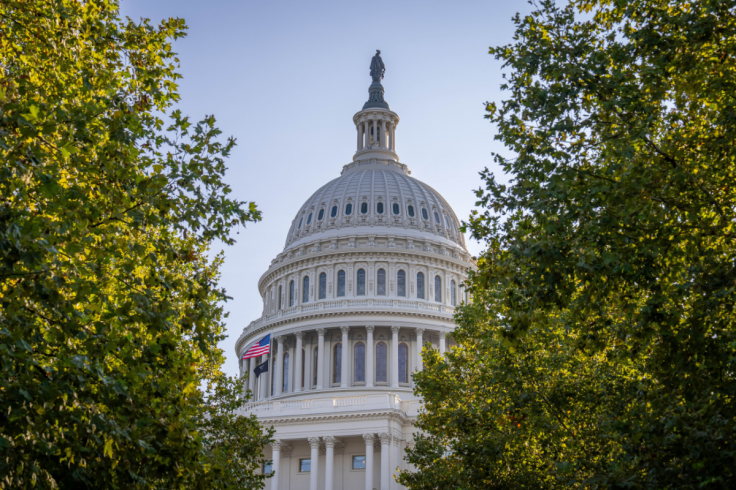
The House passed the Ratepayer Protection Act 417-3 on 16 September. Just one day later, a single senator's objection prevented the data-centre electricity bill from advancing through the Senate's unanimous-consent procedure.
The Senate fight comes as some states prepare for higher winter electricity costs. Rhode Island declared an energy affordability emergency in July after officials cited an expected double-digit increase in its winter residential electricity supply rate.
Senate Bill Blocked After 417-3 House Vote
Republican Sen. Jon Husted of Ohio sought unanimous consent on 17 September to pass the Ratepayer Protection Act, which had cleared the House overwhelmingly the previous day.
Under unanimous consent, a single senator can prevent a measure from advancing through that procedure. Sen. Martin Heinrich, a New Mexico Democrat and ranking member of the Senate Energy and Natural Resources Committee, objected.
Heinrich argued that the legislation did not go far enough to protect consumers from costs associated with the expansion of large data centres.
The objection meant the House-passed bill could not move forward through the expedited process.
Why Martin Heinrich Rejected the Bill
The Ratepayer Protection Act would require state utility regulators to consider standards under which large data centres would cover costs associated with new power and grid infrastructure.
The distinction matters because the legislation would not impose a single federal requirement forcing every state to adopt those standards.
Heinrich instead promoted his GRID Savings Act, which he introduced earlier this year. The proposal would require large new electricity users, including data centres, to pay for facilities needed to connect them to the grid.
'If hyperscalers and other big tech companies need expensive new facilities and more energy, they should pay for it,' Heinrich said during the Senate debate.
Two Bills, Two Approaches to Data Centre Costs
Heinrich then sought unanimous consent for his own legislation. Republican Sen. Bernie Moreno of Ohio objected, blocking that proposal from advancing through the same procedure.
The back-to-back objections left neither proposal enacted following the Senate's 17 September proceedings.
The competing bills reflect different approaches to the same issue. The Ratepayer Protection Act would have states consider standards for large electricity users, while the GRID Savings Act would establish federal requirements through the Federal Energy Regulatory Commission for certain grid costs.
At the centre of the dispute is whether electricity customers should bear infrastructure expenses associated with huge new power users or whether those users should pay more of the costs created by their demand.
Data Centres Put Electricity Demand Under Scrutiny
The Senate fight comes as US electricity demand continues to rise. The Energy Information Administration said in September that US electricity sales are expected to increase by almost 2% in 2026 and another 2% in 2027, with data-centre development and increased manufacturing activity contributing to higher commercial and industrial demand.
Growing demand from AI and data-centre projects can require utilities to add generation, transmission and other infrastructure. That has intensified debate over whether those costs should be passed on to existing electricity customers or allocated to the companies creating the additional demand.
Winter electricity costs vary by state and utility, so there is no single nationwide winter rate. Rhode Island's expected increase is one example of the seasonal affordability pressures facing consumers, rather than evidence of a nationwide rate change.
© Copyright IBTimes 2026. All rights reserved.
- Recommended For You