

Why Tucker Carlson Is Emerging as a More Aggressive Successor to Charlie Kirk on the Far Right
Carlson shifts from TV pundit to political operator with sharper rhetoric
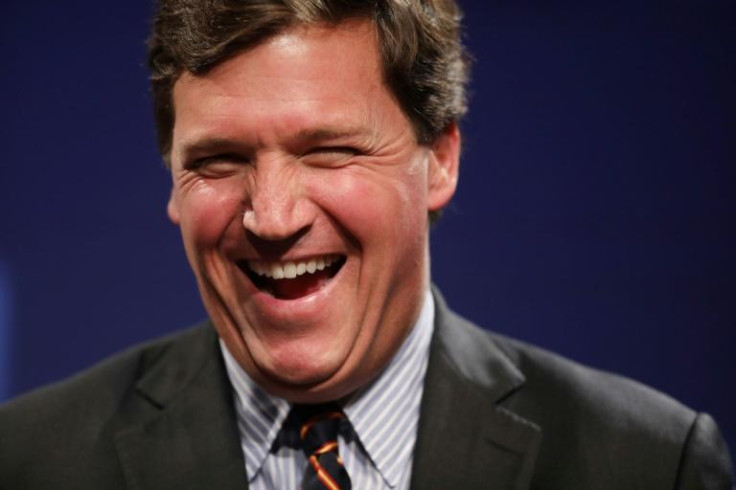
Tucker Carlson's growing influence within the American far right reflects a broader shift in how political power is built and maintained. His role has evolved beyond commentary, placing him in a position once associated with movement organisers such as Charlie Kirk. The difference lies in how that influence is exercised, with Carlson relying on confrontation and spectacle rather than institutional networks.
Carlson's rise began long before his departure from Fox News. During the early stages of Donald Trump's political ascent, he was one of the few media figures who treated Trump's campaign as a serious force rather than a novelty. That instinct proved decisive. It allowed Carlson to align himself with a growing audience drawn to grievance-based politics and distrust of elite institutions.
From Cable Television to Political Authority
Carlson started his career in conservative print journalism before moving into cable television, where he discovered the power of broadcast visibility. Television offered immediate reach and influence, shaping how he communicated ideas and framed political conflict. Over time, that exposure placed him closer to power than many traditional commentators.
That trajectory accelerated as Carlson recognised the electoral potential of nativist messaging, a shift detailed in Tucker Carlson's rise as a far right power broker. His early alignment with Trump-era populism gave him credibility among viewers who felt ignored by conventional politics. As Trump's campaign gained momentum, Carlson's relevance inside conservative media grew alongside it.
Following his exit from Fox in 2023, Carlson entered a new phase. He moved into direct-to-audience platforms, removing editorial oversight from his messaging. This transition reshaped his output. His rhetoric became more explicit, and his framing of political issues increasingly relied on urgency and threat. That tone resonated within an online attention economy that rewards provocation.
How Carlson's Role Differs From Charlie Kirk's
Charlie Kirk built influence through organisation. Turning Point USA operates across campuses, donor networks, and political events. That structure focuses on recruitment and long-term movement building. Kirk's messaging often emphasises cultural strategy and generational engagement.
Carlson's influence follows a different path. He operates without a formal organisation, instead drawing authority from personal visibility. His audience engages with him directly rather than through an institutional framework. This approach gives him speed and reach, while also encouraging sharper rhetoric to sustain attention.
Rather than presenting arguments as instruction, Carlson positions his commentary as revelation. His language suggests exposure of hidden forces and suppressed truths. That framing deepens emotional engagement and strengthens loyalty among followers who view politics through a lens of conflict.
Escalation and Public Backlash
Since leaving cable television, Carlson's messaging has increasingly incorporated conspiracy narratives and ethnic grievance themes. This shift has drawn scrutiny from civil rights organisations and media critics.
The pattern became more visible following Tucker Carlson's Charlie Kirk eulogy, which sparked criticism for language associated with historic antisemitic tropes. The response highlighted the extent to which Carlson's rhetoric now shapes ideological direction rather than simple opinion.
His platform amplifies these narratives quickly. As a result, his influence extends into how segments of the far right interpret identity, power, and political legitimacy.
Influence Beyond Media
Carlson's authority is reinforced by proximity to political leadership. His views circulate within Trump-aligned spaces, giving him indirect access to agenda-setting conversations. That proximity elevates him beyond media commentary into a position of political relevance.
At the same time, operating outside formal party structures allows Carlson to test ideas without electoral accountability. This position mirrors aspects of Kirk's influence, though Carlson's approach relies more heavily on intensity and immediacy.
A Shift In Far Right Leadership
Carlson's rise reflects a change in how leadership functions on the far right. Media dominance now outweighs organisational depth. Provocation generates reach faster than coalition building.
Charlie Kirk remains an influential figure within conservative activism. However, Carlson's ability to command attention suggests he now occupies a more aggressive role within the movement's ecosystem. His presence shapes tone, language, and priorities.
The centre of gravity has shifted toward confrontation. Tucker Carlson stands at that edge, exerting influence through visibility and force of rhetoric rather than formal leadership structures.
© Copyright IBTimes 2026. All rights reserved.