Farmer Follows AI App's Pesticide Advice Then Watches Nearly 25 Acres of Sesame Seedlings Die Overnight
AI pesticide tip destroys farmer's crop, highlighting risks of unverified AI advice
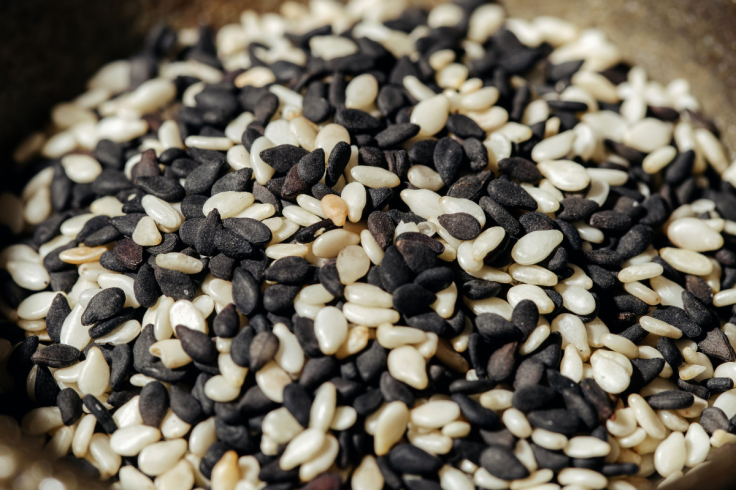
A 67-year-old farmer in Chuzhou, Anhui province, lost nearly 25 acres (101,171 square metres) of sesame seedlings overnight after following pesticide advice from an AI app. Wu sprayed a chemical mixture recommended for weed and pest control across 150 mu of land on 10 July, only to find the crops dead the next day.
The incident has drawn attention to the risks of relying on artificial intelligence for agricultural decisions without expert checks.
AI App Builds Trust Then Delivers Fatal Mix
Wu had used the unnamed AI tool for about a year, starting with scepticism but growing confident after useful replies on farming matters such as fertiliser timing and weather patterns.
On 10 July he requested a full plan for sesame field weed and pest control, including drone application. The app produced a scheme called Hundred Acres of Sesame Grass Control plus Pest Control, listing high-efficiency flupyrimethalin and flusulfasulfaether for weeds, mixed with thiamethoxazine and methyl salt.
He applied the entire recipe without consulting technicians or testing a small area first, relying solely on the generated instructions. By the following morning the weeds and sesame plants had both died. The seedlings died faster than the weeds.
A farmer killed nearly 25 acres of his own crop after listening to an AI app
— Dexerto (@Dexerto) August 12, 2026
It recommended spraying a chemical that destroyed weeds and also his plants pic.twitter.com/rjeut0vMDR
Agricultural experts later confirmed flusulfasulfaether, known as fomesafen, is a herbicide for broadleaf weeds in soybean fields.
Sesame is itself a broadleaf plant and highly sensitive to it. The chemical should only be used in targeted spots, never across an entire crop.
Wu returned to the app and received confirmation that this particular ingredient was the main problem. Wu said afterwards: 'If you spray it, the next day the seedlings won't survive. Both the grass and the seedlings will die, and the seedlings will die even faster.'
Experts Confirm Unsuitable Herbicide for Sesame
Local agricultural technicians inspected the damaged fields and verified the mixture was wholly unsuitable for sesame. Fomesafen targets broadleaf species and the USDA classifies sesame in that group, making widespread spraying lethal to the seedlings.
The AI app itself carried a small disclaimer stating AI generation may be incorrect, please verify, though Wu said he had not noticed it during earlier interactions. The tool's operators noted it draws only from public online sources rather than a dedicated agricultural database, which may explain the inaccurate recommendation for this crop type.
The loss is estimated at $22,200 (£16,500). Wu had treated the AI's previous answers as reliable after months of apparent accuracy, a pattern that left him unprepared for this error in chemical selection. Reports indicate the seedlings blackened at the core and wilted within hours of the drone pass across the fields.
Wider Questions Over AI Farming Guidance
Cases like this underscore how generative tools can produce confident yet flawed chemical recipes when handling specialised agricultural knowledge. Similar warnings have appeared after other AI missteps involving household substances that led to health issues.
Chinese reports from local outlets first detailed the Chuzhou events in early August, which then circulated internationally by mid-August 2026.
The platform has registered Wu's feedback but offered no confirmed compensation so far. Farmers elsewhere continue to experiment with AI for crop management, though specialists urge cross-checks with certified advisers before any chemical application on commercial scales.
The full extent of the financial impact on Wu's household remains under discussion among local authorities in Anhui province.
© Copyright IBTimes 2026. All rights reserved.
- Recommended For You