Shop Without Spending: Inside the Viral 'Dopamine Sites' That Let Users Buy Fake Goods to Ease Your Stress
'As I browse, my mood somehow gets a little better,' 25-year-old Dopamine site user, Kim said
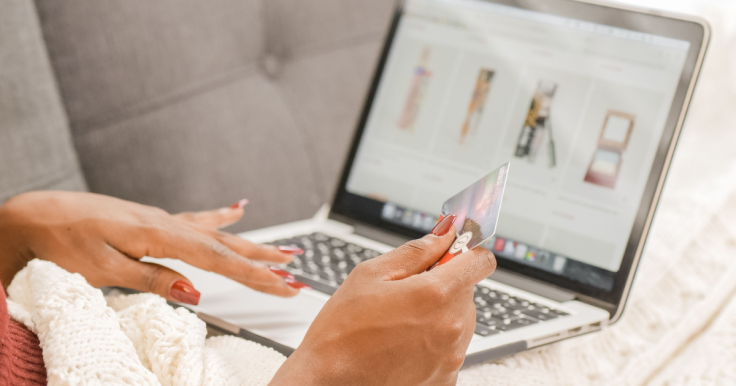
A new online trend emerging from South Korea is attracting global attention by allowing people to experience the rush of online shopping without spending a single penny. Known as 'dopamine sites', these platforms recreate the entire purchasing journey, yet no money changes hands, and nothing ever arrives at the user's door.
The unusual phenomenon has become particularly popular among younger consumers looking for a way to manage stress, resist impulse spending, and enjoy a form of retail therapy without the financial consequences. As social media discussions around the trend continue to grow, dopamine sites are drawing both curiosity and criticism from observers around the world.
What Are Dopamine Sites And How Do They Work?
Dopamine sites are websites designed to imitate online shopping and food delivery services, allowing users to experience the thrill of purchasing without spending any money. Visitors can browse products, read reviews, add items to a basket, and proceed through a realistic checkout process.
😳 Dopamine websites are becoming a new trend in South Korea
— NEXTA (@nexta_tv) June 6, 2026
These services let users endlessly browse food delivery menus, read reviews, fill shopping carts, and even track a "courier." The only catch: you can't actually place an order.
There are also virtual smoke breaks,… pic.twitter.com/QvWary2eQl
Many of the platforms closely mirror popular e-commerce and delivery apps, complete with promotional offers, customised orders and interactive interfaces. Some even generate fake order confirmations and simulated delivery tracking, enabling users to follow a virtual courier as though a real purchase were on its way.
According to Firstpost, the trend has gained traction among South Korea's Gen Z consumers, who are increasingly turning to these platforms as a source of temporary comfort and stress relief. As reported by Dexerto, supporters see the platforms as a way to enjoy the satisfaction of shopping while avoiding the financial consequences of impulse purchases.
Why Gen Z Is Embracing The Trend?
The rise of dopamine sites comes amid growing financial pressures, with many young consumers looking for ways to curb unnecessary spending without giving up familiar online habits.
For some, the platforms offer a guilt-free alternative to retail therapy. Others turn to similar services that simulate food deliveries or cigarette breaks as a way to unwind.
Speaking to The Korea Times, 25-year-old office worker Kim said he often visits a fake food-ordering site when late-night cravings strike.
'It somehow feels like I actually ordered something,' he said. 'The site doesn't allow orders anyway, so I can keep browsing without pressure. As I browse, my mood somehow gets a little better.' Kim added, 'I don't end up ordering anything, but it feels like it relieves a little stress.'
The Psychology Behind The Craze
Part of the appeal may lie in the way the brain processes rewards. Researchers have long observed that dopamine is closely linked to anticipation. The excitement generated while expecting a reward can sometimes be as powerful as receiving it.
That theory has become central to discussions surrounding dopamine sites. Supporters argue that the platforms provide a harmless substitute for compulsive spending habits, while critics question whether recreating shopping rituals truly addresses the underlying behaviour.
Questions And Concerns Remain
The growing popularity of dopamine sites has sparked discussion online. While some users see them as a practical way to curb unnecessary spending, others remain unconvinced. As one user said, 'This would not work for me lol. It would just piss me off knowing nothing is actually coming.'
Meanwhile, another user compared the trend to a common habit: 'I always online shop and fill my cart without purchasing. I don't think this is very different. If anything, it would be frustrating for me to track something that never comes. I think I get the dopamine the second I have the package in my hands and am opening it.'
Questions have also been raised about user privacy and how these platforms handle browsing data. As the trend gains attention beyond South Korea, it remains unclear whether dopamine sites will become a lasting form of digital stress relief or simply another passing internet fad.
© Copyright IBTimes 2026. All rights reserved.
- Recommended For You