Is Apple Changing the iPhone Design Again? The New iOS 27 Feature You Need to Know
iOS 27 may bring a system-wide opacity control for Liquid Glass, allowing users to customise Apple's glassy interface more precisely.

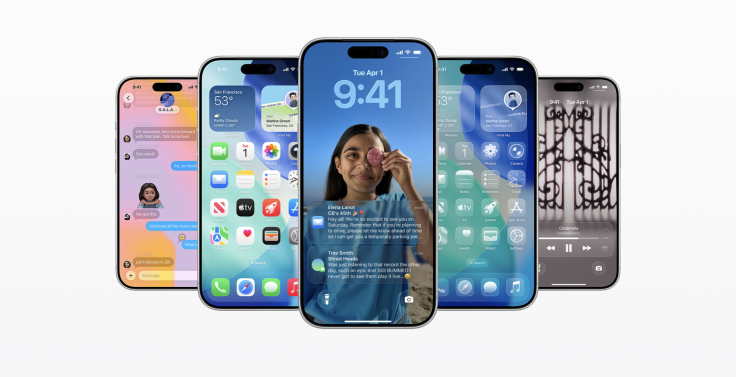
Apple is reportedly planning a system-wide Liquid Glass slider for iOS 27, giving iPhone users finer control over the operating system's glassy interface, according to Bloomberg journalist Mark Gurman in his Power On newsletter on March 15, 2026.
Liquid Glass debuted on iPhones with iOS 26 last year, introducing translucent menus, widgets, and app icons that mimic frosted glass for a dynamic, layered effect. Gurman notes that current internal builds of iOS 27 show no major redesigns to this aesthetic, despite some user complaints about readability in bright light. Instead, Apple appears set to refine customisation options, building on adjustments made since the feature's launch.
Liquid Glass Evolution in iOS 27
iOS 26.1 introduced basic toggles, with 'Clear' for maximum transparency and 'Tinted' to increase opacity across UI elements such as toolbars and folders. iOS 26.2 then added a slider, but it was limited to the Lock Screen clock, allowing adjustment of that element only. Gurman reports that Apple considered expanding the slider system-wide during iOS 26 development, but encountered issues with app folders, home screens, and navigation bars.
Now, with iOS 27 betas expected in June and a full release in September, engineers are revisiting the feature. 'Apple is trying again now for iOS 27,' Gurman wrote on social media, adding a cautious 'TBD if it lands.' It is classic Apple to iterate quietly rather than start over, though questions remain over whether this is damage control for a design that has divided users. New VP of Human Interface Design Steve Lemay, who took over after Alan Dye moved to Meta, was reportedly a key architect of Liquid Glass, making a U-turn unlikely.
The slider, if implemented, could allow users to adjust from sheer ethereality to a more solid look, potentially addressing criticism that icons and menus disappear into wallpapers. Responsiveness has been seen before, with iOS 26.4 letting users remove glaring highlights. A system-wide option, however, would represent a significant concession, giving control to users in a way Apple rarely allows.
Why Liquid Glass Still Polarises
Liquid Glass was designed to unify Apple's ecosystem, extending to macOS 27, with its watery sheen intended to enhance the experience across devices. Fans praise its fluidity, while critics call it gimmicky, particularly on older iPhones where it can drain battery or blur text. Gurman compares iOS 27's approach to Mac OS X Snow Leopard, emphasising polish over flair, with Apple Intelligence enhancements such as a smarter Siri operating in the background.
Apple remains coy, offering no comment beyond the standard line that it does not discuss future products. That has not stopped the rumour mill, fuelled by code dives and supply chain whispers. If the slider is implemented, it could transform how users personalise their devices, allowing a home screen as opaque as London fog or as clear as a Highland stream with a simple adjustment.
Sceptics may dismiss it as cosmetic, but iOS evolves in stages, and this could be the feature that wins over holdouts. Beta testers will know soon enough, with the wider public finding out in the autumn. Until then, Gurman's reporting remains the main guide, and his track record is strong enough to keep Cupertino watchers engaged.
© Copyright IBTimes 2026. All rights reserved.
- MOST POPULAR IN Technology