

Why You Should Skip the iPhone 18 Pro Max This September and Wait for the Base Model in 2027
The base iPhone 18 slips to spring 2027, leaving only $1,000-plus models on sale this September
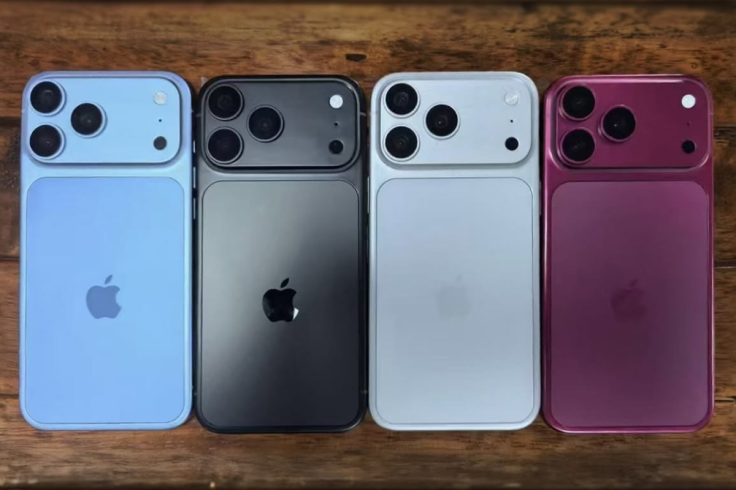
Apple is about to make its September iPhone launch far pricier for US buyers. For the first time, only the iPhone 18 Pro, Pro Max, and a foldable arrive this September, pushing the cheaper base model back to spring 2027.
The change breaks Apple's long-standing habit of selling its full iPhone range at once. Supply chain reports and analysts, including Ming-Chi Kuo and GF Securities' Jeff Pu, say the standard iPhone 18, the budget iPhone 18e, and a second-generation iPhone Air will not arrive until around March 2027. Apple has not confirmed the plan.
What Apple Is Launching This September
The keynote is widely expected on Wednesday 9 September, with pre-orders days later and phones on sale around 18 September. Shoppers will get three devices, the iPhone 18 Pro, the iPhone 18 Pro Max, and Apple's first foldable, reportedly called the iPhone Ultra. Every one sits at the top of the price ladder.
That is the trap for anyone hoping to upgrade cheaply. With no standard iPhone 18 on shelves, the autumn lineup starts at Pro money and climbs from there.
Why Waiting Could Save You Hundreds
The iPhone 17 Pro currently starts at $1,099 (£870) and the Pro Max at $1,199 (£940). Pu expects the new Pro models to cost $250 (£183) to $300 (£220) more, which would put the iPhone 18 Pro near $1,399 (£1,100) and the Pro Max around $1,499 (£1,180). The foldable is tipped to start above $2,000 (£1,580) and could reach $2,500 (£1,970).
The base iPhone typically offers the same core design and a version of the previous year's Pro chip for far less. The iPhone 17 launched at $799 (£630), little more than half the likely cost of this autumn's cheapest new model. Waiting until spring could mean paying hundreds less for the iPhone most mainstream buyers choose. The delay also creates the longest gap ever between two standard iPhones, stretching roughly 18 months from the iPhone 17 to its successor.
The Memory Crunch Driving Up Prices
The price pressure traces to a global shortage of memory chips. Apple chief executive Tim Cook told the Wall Street Journal in June that rising memory costs made price increases 'unavoidable' and called the situation a 'hundred-year flood'. Chipmakers are steering supply toward artificial intelligence (AI) data centres, where margins are higher, leaving less for phones.
The squeeze also explains the split itself. Apple's new A20 Pro chip, its first built on a 2nm process, packages memory directly onto the processor, so the company cannot finish production without enough DRAM (dynamic random-access memory) in hand. Concentrating on three premium models protects supply and margins.
Should You Buy Now or Hold Out
For most US buyers, the smart move is patience. Anyone desperate for a new iPhone this autumn faces a Pro model above $1,399 (£1,100) or a foldable past $2,000 (£1,580).
Everyone else can wait for the standard iPhone 18, which usually delivers the headline features at a mainstream price, even if a lower memory allowance may limit some Apple Intelligence tools. The base model should still land well under the Pro.
Holiday shoppers face the same squeeze, with the ageing iPhone 17 the only mid-priced option on Apple's shelves through the winter.
If your current iPhone works, holding out until spring looks like the wiser bet.
© Copyright IBTimes 2026. All rights reserved.