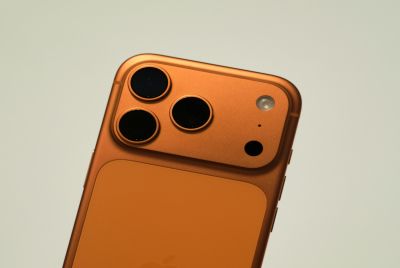
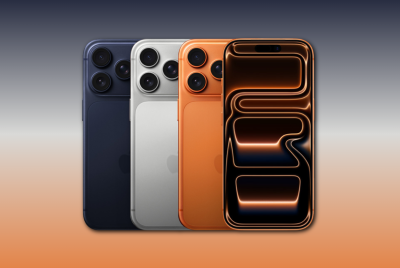
Is Apple Delaying the Base iPhone 18 Just to Save Its New Ultra-Premium Pro Models?
Apple plans to prioritise premium iPhone models in 2026 and delay the base iPhone 18 until 2027.
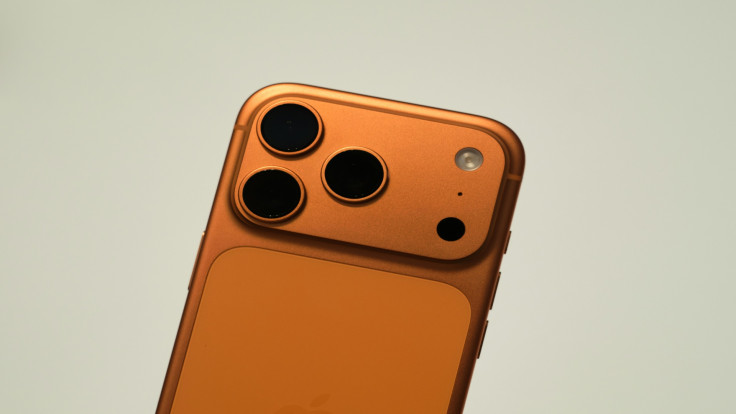
Apple may be delaying the base iPhone 18 as part of a broader shift in its product strategy, with multiple reports suggesting the standard model could now arrive in spring 2027 instead of the usual autumn 2026 window. If confirmed, the iPhone 18 Pro, iPhone 18 Pro Max and Apple's first foldable device would take centre stage in the 2026 cycle, while the base model would be pushed into a second release phase.
The change would mark a break from Apple's traditional approach of launching its full iPhone lineup at once. Instead, reports point to a staggered release structure that places the most expensive models first, extending their visibility before the standard device enters the market months later.
Apple's Shift Toward a Staggered Launch
Reports from Nikkei Asia suggest Apple is prioritising production and shipment of its highest-end iPhone models for 2026, while delaying the standard version due to a mix of supply chain constraints and a revised marketing approach. The report also highlights pressure on components such as memory and manufacturing capacity as Apple continues to expand its premium device focus.
Analyst Ming-Chi Kuo has separately indicated that Apple is planning to split its iPhone launches between autumn and spring, with the Pro models expected in late 2026 and the base iPhone 18 following in early 2027. Taken together, the reports point to a more segmented release calendar rather than a single annual unveiling.
If accurate, the approach would allow Apple's most expensive devices to dominate attention for longer periods without being immediately followed by a lower-priced model.
What Analysts Say About the Strategy
Analysts tracking Apple's product cycles say the shift would reflect a growing emphasis on the company's premium tier rather than a confirmed internal repositioning of the product line.
A staggered launch would also give Apple more flexibility in balancing production across its supply chain, particularly at a time when advanced components remain in tight supply. Premium models typically generate higher margins, and extended visibility for those devices could help smooth demand while reinforcing pricing power at the top end of the range.
What is not confirmed, however, is Apple's internal intent. The available reporting outlines timing and supply dynamics, but not a formal explanation from the company.
What the Base iPhone 18 May Include
Even with a delayed release, the standard iPhone 18 is expected to receive significant internal upgrades. Reports suggest it will be powered by Apple's A20 chip, built on a 2-nanometre process that could improve performance and energy efficiency. The device may also include 12GB of RAM, up from 8GB in current non-Pro models, alongside storage starting at 256GB and extending up to 1TB.
Display upgrades are also expected, including a 6.3-inch OLED panel with ProMotion and a 120Hz refresh rate. Apple is reportedly testing ways to reduce the size of the Dynamic Island, potentially through under-display sensing technologies.
On the camera side, the base model could feature a dual 48-megapixel system with wide and ultrawide lenses, while Pro variants are tipped to receive more advanced hardware, including variable aperture systems.
Foldable and Pro Models in Focus
A key wildcard in the 2026 cycle is Apple's long-rumoured foldable iPhone. Some reports suggest engineering delays remain possible, but Bloomberg has indicated it is still expected to launch alongside the iPhone 18 Pro and Pro Max in September 2026.
If it arrives on schedule, the foldable would represent Apple's most significant design shift in years and further reinforce the focus on ultra-premium devices at the top of the lineup.
The Pro models themselves are expected to anchor Apple's autumn event, potentially carrying the majority of the company's marketing emphasis if the base model is pushed into the following year.
Supply Chain Pressure and Market Reality
Beyond strategy, supply chain constraints may also be influencing the timeline. Reports point to tight availability of advanced components, including next-generation memory and manufacturing capacity required for Apple's most advanced chips.
At the same time, Apple has steadily widened the gap between its standard and Pro models. That trend has made premium devices increasingly central to its product identity, particularly in markets where buyers are willing to pay more for incremental hardware gains.
What the Change Would Signal
The key question is not only whether Apple delays the base iPhone 18, but what such a move would indicate about its broader direction.
A staggered release schedule would give Apple greater control over its product cycle, more sustained attention on flagship devices, and additional flexibility in managing supply constraints across its lineup.
It would also represent a shift away from the unified launch model that has defined the iPhone range for more than a decade.
If the reports prove accurate, the iPhone 18 cycle would not simply reflect a scheduling adjustment. It would point to a structural change in how Apple stages its most important product, with the premium tier taking priority and the standard model arriving once the initial launch spotlight has passed.
© Copyright IBTimes 2025. All rights reserved.
- Recommended For You