

Glasshouse Roof Cut Open To Make Room for Birmingham's 18-Foot Agave as It Reaches 'Death Bloom'
A decade of growth culminates in a dramatic flowering display
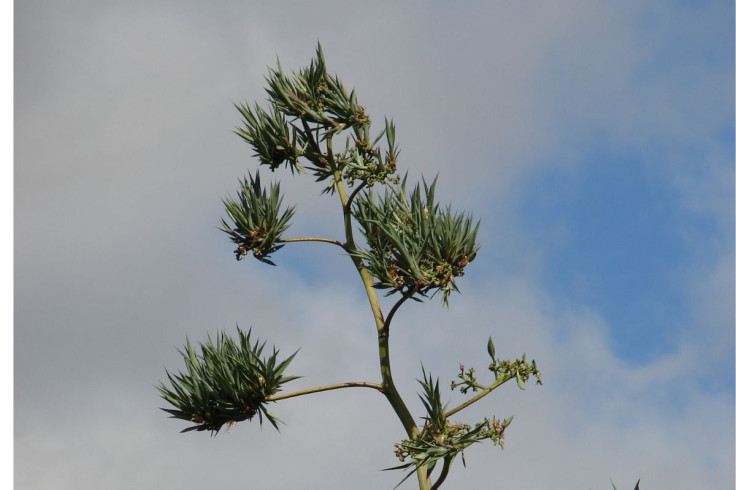
An 18-foot agave at Birmingham Botanical Gardens has grown so tall staff have had to cut open the glasshouse roof so it can complete a once-in-a-lifetime 'death bloom' before dying. The decade‑old Agave sisalana, also called sisal hemp, has reached a height of 5.5 metres (18 feet) after its flower spike shot up in just a few months.
The growth was so rapid that the spike began poking through the Gardens' 19th‑century Arid Glasshouse. Horticulturists removed ceiling panels to create a gap and let the plant keep growing as it prepares to flower for the final time in a natural cycle known as a 'death bloom'.
A Bloom 10 Years in the Making
Agave sisalana is monocarpic, meaning it flowers only once in its life. After roughly 10 years of storing energy, it releases it in a flowering display before dying.
A Gardens spokesperson said the plant had 'finally gathered enough energy to produce a spectacular flower spike' after years of growth. Horticulturists have described the process as the 'botanical world's ultimate farewell tour'.
For a plant of this size, the final bloom can last more than half a year. The Gardens have invited members of the public to come and see the event for themselves before it ends.
Roof Cut Open for Sky‑Scraping Flower Spike
The speed of the plant's growth caught the Gardens off guard as the flower climbed to its full 18‑foot height in a matter of months. Staff removed sections of the ceiling to prevent the structure from restricting the spike's growth.
To help visitors follow the plant's progress, the Gardens have set up a 'bloom watch' chalkboard. It tracks the flower spike's growth and helps visitors time their trip to see the plant before it dies. It also turns the decade‑long wait into a shared event for the local community.
Agave Will Live on Through Its Offspring
The mother plant will die once flowering is complete, but its genetic line will live on. The plant is producing hundreds of tiny offshoots called bulbils, as well as seeds, which gardeners are collecting to grow the next generation in the Gardens' nursery.
'The plant will live on through its offspring', a spokesperson said. Hundreds of bulbils have already been released and can be used to grow new agaves. Staff have also begun cultivating four clones, known as 'pups', to preserve the plant's genetic line.
Death Bloom Among Desert Plants From Around the World
The agave is not the only attraction inside the Arid Glasshouse. Built in the 19th century to recreate dry, temperate conditions, the glasshouse is also home to a large collection of cacti and succulents from arid regions of Africa, the Americas and Australia.
Staff keep the glasshouse hot and dry to mimic the plants' natural habitats. The agave's death bloom is therefore unfolding alongside a wider collection of desert plants from around the world.
Agave sisalana can take 10 to 20 years to mature enough to flower. It flowers only once in its lifetime. Visitors to the Gardens can view the plant as it moves through the final stage of its life cycle inside the Arid Glasshouse.
Beyond its role as a horticultural spectacle, Agave sisalana has long‑standing commercial significance. The species is grown commercially for sisal fibre, which is traditionally harvested and processed into durable rope and twine.
The plant can be used to make cloth, sandals and dartboards, among other things. Its industrial use has made it an economically important crop in parts of the world.
The bloom in Birmingham highlights the life cycle of monocarpic plants. They can spend years storing energy before putting everything into one final period of flowering and reproduction.
© Copyright IBTimes 2026. All rights reserved.