Flesh-Eating Screwworms Hit 500+ Humans in Mexico as Deadly Parasite Returns to US
More than 500 human infections have been reported in Mexico as US officials expand animal controls

More than 500 people in Mexico have been infected with New World screwworm as the flesh‑eating parasite spreads north and is detected again in US livestock after decades of eradication.
The resurgence has created a dual public-health and livestock threat. A recent study of confirmed Mexican cases found infections were rising sharply in 2026, while US authorities have begun a new campaign to contain the parasite after detecting it in American animals.
Human Cases Rising Sharply in Mexico
A study published in the CDC's Emerging Infectious Diseases journal examined 202 confirmed cases recorded in Mexico between April 2025 and March 2026. Researchers found the reporting rate increased from about three cases a week in 2025 to more than nine a week in 2026.
Six patients died, although the researchers said only one death was directly attributed to the infestation. Most patients were older adults. The average age was about 61, while 72% of cases involved men and 77% involved people with at least one underlying health condition.
How New World Screwworm Infects People
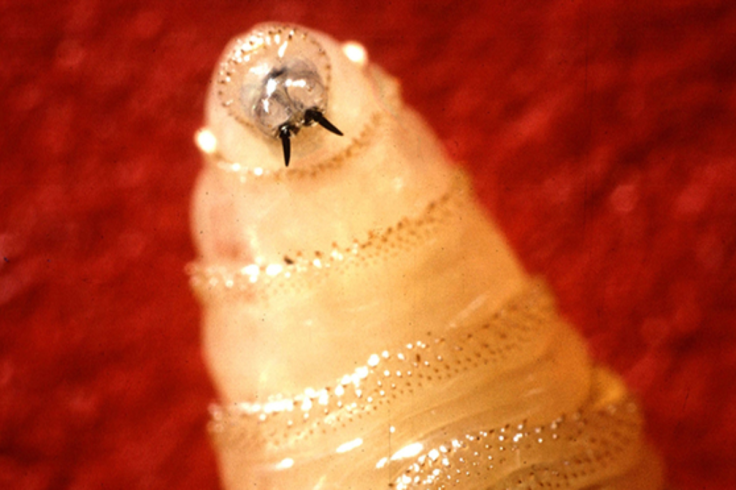
New World screwworm, known scientifically as Cochliomyia hominivorax, is a parasitic fly whose larvae feed on living tissue. Female flies lay eggs in open wounds or exposed tissue. The larvae can hatch within about a day and burrow into the wound, creating an infestation that can destroy muscle, cartilage and bone if it is not treated.
The Mexican study found that 55% of the infections affected the legs or feet. Other cases involved the head and neck, including the nose, mouth and eyes.
Parasite Officially Returns to US Livestock
The United States spent decades eliminating New World screwworm and declared the parasite eradicated from the country in 1966. The latest outbreak has changed that status for American livestock.
The USDA confirmed a screwworm infection in a calf in Zavala County, Texas, in June 2026, marking the parasite's return to US animals. Additional cases have since been reported, including in Texas and New Mexico. US officials have not reported a locally acquired human infection linked to the current resurgence.
US Steps up Containment Efforts
The USDA has responded with surveillance, livestock controls and large-scale releases of sterile male flies. The technique was central to the earlier eradication campaign.
Because female screwworm flies generally mate only once, releasing sterile males reduces the number of fertile eggs produced and can suppress the population. US authorities have also tightened controls on livestock movements from affected areas and are expanding sterile-fly production capacity.
Mexico Still at the Centre of the Outbreak
The animal outbreak in Mexico is far larger than the number of human infections. US government data show more than 36,000 animal cases have been recorded in Mexico since the parasite reappeared in 2024.
The outbreak has also spread through parts of Central America after a long-standing biological barrier designed to keep the fly from moving north was breached. Mexico had declared New World screwworm eradicated in 2003 after years of control efforts.
Researchers Urge Earlier Detection and Coordination
The rise in human infections has added urgency to efforts to detect cases before they become severe. The researchers behind the Mexican study called for stronger surveillance, diagnostic preparation and coordination between human health, veterinary and agricultural authorities as the parasite expands into new areas.
The US outbreak remains concentrated in animals, with no confirmed locally acquired human cases from the current resurgence. But the parasite's return to American livestock has reopened a problem that US authorities had considered eliminated for generations.
© Copyright IBTimes 2026. All rights reserved.
- Recommended For You