Heat Dome Tracker: US Cities Top Temperatures Reach 119F, Heat Wave Breaks Record
Extreme heat continues to challenge communities and emergency services across the western United States.
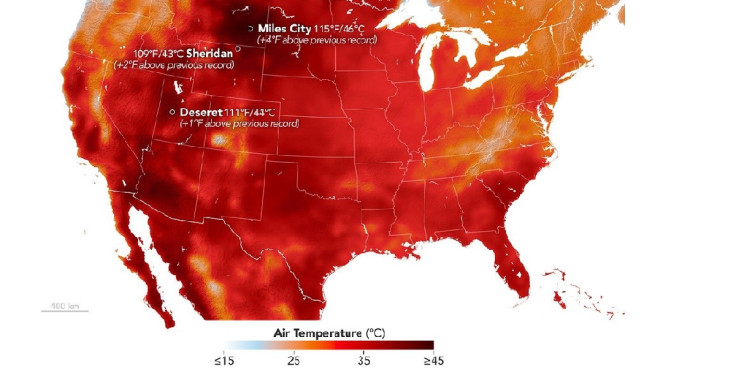
A relentless heat dome has tightened its grip across large parts of the United States, driving temperatures into dangerous territory and placing tens of millions of people under heat alerts.
From the Desert Southwest to parts of the Pacific Northwest and Northern Plains, communities are enduring one of the most intense stretches of summer weather this year as forecasters warn that extreme heat will continue into the weekend.
Meteorologists say the prolonged event is being fuelled by a sprawling high-pressure system that traps hot air near the ground, allowing temperatures to build day after day with little overnight relief.
While heat waves are common during the American summer, the persistence and geographical reach of the current system have pushed several locations to record or near-record highs.
Temperatures Climb Across the West
The most severe conditions have been reported across the Southwest, where parts of Death Valley National Park climbed to 119F (48.3C), among the highest temperatures recorded during the latest heat event.
Desert communities in California, Arizona and Nevada have remained under excessive heat warnings as afternoon temperatures routinely exceeded 110F.
Major cities, including Phoenix, Las Vegas, Palm Springs, Fresno, Bakersfield, Redding, Sacramento and Reno have experienced prolonged periods of dangerous heat, prompting officials to open cooling centres and urge residents to avoid unnecessary outdoor activity during the hottest parts of the day.
The heat has also spread beyond the traditional desert regions. Parts of Oregon, Washington, Idaho, Montana and Utah have reported unusually high temperatures, with several communities approaching daily records as the ridge of high pressure expanded across the western United States.
Millions Remain Under Heat Alerts
According to forecasts issued by the National Weather Service, more than 40 million Americans have been placed under heat-related alerts as dangerously high daytime temperatures combine with warm overnight conditions that offer little opportunity for recovery.
States affected by excessive heat warnings or heat advisories include California, Arizona, Nevada, Utah, Oregon, Washington, Idaho, Montana, Colorado, Wyoming, New Mexico, Texas, Nebraska, South Dakota and parts of the Midwest.
Health officials continue to stress that prolonged exposure to extreme heat poses serious risks, particularly for older adults, young children, outdoor workers and people with underlying medical conditions.
Heat exhaustion and heat stroke can develop rapidly when temperatures remain elevated for several consecutive days, especially where overnight lows stay unusually warm.
Emergency agencies have encouraged residents to stay hydrated, seek air-conditioned spaces where possible and check regularly on neighbours and family members who may be vulnerable to heat-related illness.
Why This Heat Dome Is Different
The current weather pattern stands out not simply because of the temperatures being recorded but because of how persistent the heat has become.
A heat dome forms when a strong area of high atmospheric pressure acts like a lid over a region, compressing and warming the air beneath it while preventing cooler systems from moving through. The result is a prolonged period of exceptionally hot weather that can last for days or even weeks.
Forecasters say this particular system has expanded across much of the western United States, allowing temperatures to build steadily while drying soils and increasing wildfire concerns across several states.
Climate scientists have repeatedly noted that human-driven climate change is increasing the likelihood of longer, more frequent and more intense heat waves. Rising global temperatures create conditions in which extreme heat events occur more often and persist for longer periods than historical averages.
Utilities and Emergency Services Face Added Pressure
Extreme heat is placing additional strain on electricity networks as households and businesses rely heavily on air conditioning to remain safe. Grid operators across parts of the West have monitored electricity demand closely, although widespread outages have largely been avoided.
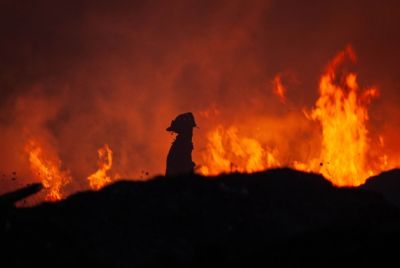
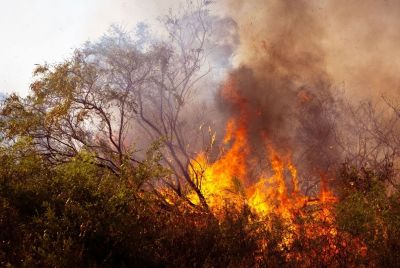
Fire agencies are also watching conditions carefully. Hot temperatures, low humidity and dry vegetation create an environment where even small fires can spread rapidly, particularly in areas already experiencing drought.
Weather officials expect some regions to see modest relief as weather systems begin shifting during the coming days. Even so, many communities are likely to remain under dangerous heat through the end of the week, with authorities warning that the cumulative effects of several consecutive hot days can be just as hazardous as record-breaking afternoon highs.
For millions of Americans, the current heat dome serves as another reminder that extreme summer weather is becoming an increasingly regular feature of life across large parts of the country, challenging public health systems, infrastructure and emergency services alike.
© Copyright IBTimes 2026. All rights reserved.
- Recommended For You