

China's Top General Accused of Selling Nuclear Secrets—How Trump Could Use the Leak to Press Beijing in US-China Talks
The scandal gives Washington new leverage in tense negotiations on trade, Taiwan, and security

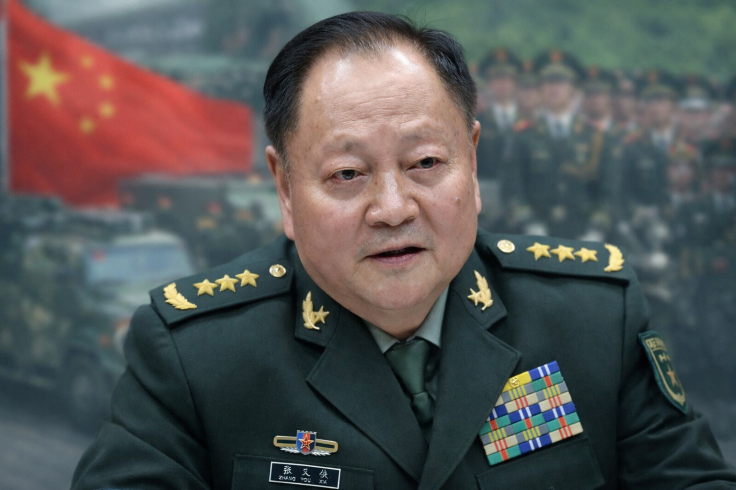
For decades, China's military elite have projected an image of unity and discipline. That image has been sharply undermined this week.
Gen. Zhang Youxia, one of the most senior figures in the People's Liberation Army (PLA) and long considered President Xi Jinping's most trusted military ally, now faces allegations that strike at the very heart of national security.
According to internal military briefings on 24 January 2026, Zhang Youxia is under investigation for allegedly leaking core technical data about China's nuclear weapons programme to the United States and accepting bribes in exchange for promoting officers, including former Defence Minister Li Shangfu, who was later expelled for corruption.
If proven, this case would constitute one of the most serious breaches of state secrets in modern Chinese history. It also comes at a particularly sensitive time, as Washington and Beijing prepare for high-stakes talks covering trade, Taiwan, and security issues. For President Donald Trump, the scandal could provide unexpected diplomatic leverage.
A Stunning Fall from the Top
Zhang, aged 75, previously served as Vice Chairman of the Central Military Commission (CMC), the body responsible for managing the PLA. Though technically a general, he was not just any officer. He belonged to the 'Revolutionary Old Guard' and was a 'Princeling'—a term used for descendants of China's founding leaders—who has close familial ties to the core of the Communist Party of China and maintains a close personal relationship with Xi Jinping.
Although Zhang's alleged violations of party discipline and state law have been publicly announced, the implications of these charges are far more serious than the official statements suggest.
At an internal briefing on 24 January 2026, PLA leaders were told that Zhang had formed political cliques, abused his authority, and accepted large sums of money to promote favoured officers, including Li Shangfu, the former Defence Minister, who was expelled for corruption.
Most alarming of all were reports suggesting Zhang leaked critical technical data regarding China's nuclear arsenal to the United States. The details of any breach have not been made public, but even the possibility of such a leak could shake the upper echelons of the Chinese Communist Party to its core.
Corruption and Secrecy Collide
Zhang is reportedly linked to the ongoing investigation of Gu Jun, former general manager of China National Nuclear Corporation, who was scrutinised on 19 January 2026 for severe violations of party discipline. Internal sources suggest Zhang may be implicated in a security breach within China's nuclear sector.
The Chinese government frames the investigation as part of a zero-tolerance anti-corruption campaign, but analysts argue it also serves to consolidate political control over the military.
In recent years, numerous senior military officials and high-ranking defence industry executives have been dismissed, and key command structures related to Taiwan and strategic nuclear missile deployments have undergone significant restructuring.
Even by Chinese military standards, this scale of purge suggests a high level of concern over loyalty within the ranks. The leadership appears intent on acting swiftly to prevent internal dissent from undermining its grip on power.
A Weaker Command Structure
The purge is likely to impact military readiness, as the removal of experienced senior officers could slow decision-making and operational capacity.
China's military has grown rapidly, but its effectiveness still relies heavily on leadership stability and technical expertise. The mass dismissals threaten to diminish the overall quality of military command.
Security analysts warn that the upheaval may cause bottlenecks in military decision-making and complicate operations, especially in high-stakes theatres such as Taiwan.
In the short term, this means China may be less prepared for potential conflict than before the purges. In the longer term, Xi Jinping is expected to continue tightening political controls over the military to ensure a more compliant and controllable force.
Why This Matters to Washington
For the United States, the timing of this scandal is both awkward and potentially advantageous.
If China's most trusted general indeed leaked sensitive nuclear information, it exposes vulnerabilities within the PLA and damages Beijing's claims of discipline and control.
President Trump, known for his transactional approach to diplomacy, could leverage this situation to press China for concessions. He might argue that China needs to restore trust and stability within its military before demanding concessions on trade tariffs or Taiwan.
Moreover, the episode could serve as evidence that Beijing's claims of a secure and disciplined system are overstated, weakening its diplomatic standing.
As the US and China gear up for delicate negotiations, the fallout from this scandal may influence the tone and substance of upcoming talks, with Washington eager to exploit any cracks within China's military leadership.
© Copyright IBTimes 2026. All rights reserved.