

Chris Brown Dodged Prison Over a Mayfair Bottle Attack as Judge Applied New Sentencing Law
England's rules suspend jail terms under 12 months, so Brown's eight-month term was never a cell
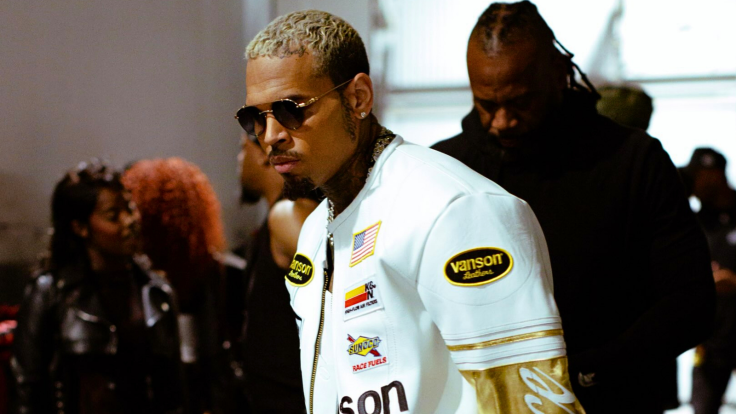
Chris Brown avoided prison on Monday when Southwark Crown Court handed the US singer an eight-month sentence suspended for 12 months over a 2023 London bottle attack, after Judge Tony Baumgartner ruled the 2026 law required suspension absent exceptional circumstances.
The outcome may surprise American readers who assume a guilty plea to a violent attack guarantees jail. In England and Wales, short custodial terms are now normally suspended, and Brown's case shows how the system works. The distinction matters.
Why the Sentence Was Likely To Be Suspended
Under the Sentencing Act 2026, whose short-sentence rule began on 22 March, courts must suspend terms of 12 months or less unless offenders are excluded or exceptional circumstances apply. Brown's eight-month term met that threshold, making suspension probable once the judge settled on it. Baumgartner said the sentences were the shortest custodial terms proportionate to the offending, and that he was 'required to suspend each custodial sentence' absent exceptional reasons.
What the Judge Said About Brown's Violent Past
Baumgartner acknowledged Brown's earlier convictions for violence, calling them 'relevant' but 'now old'. He weighed the singer's guilty plea, compliance with bail conditions, charitable work, long music career, and status as a father of four as mitigation. The judge stressed that fame changed nothing, telling Brown his success and standing 'do not entitle you to special treatment' and that the law applied equally to everyone.
Those convictions stemmed from Brown's 2009 assault on his then-girlfriend Rihanna and a 2013 Washington assault, for which he pleaded guilty in 2014.
Brown, 37, pleaded guilty on 24 July 2026 to affray, a public order offence covering the use or threat of unlawful violence. Prosecutors dropped the more serious assault and attempted grievous bodily harm charges, along with a count of possessing an offensive weapon, in exchange for the plea.
The Attack That Put Brown in the Dock
The case stemmed from the early hours of 19 February 2023 at the Tape club in Mayfair, central London. The Crown Prosecution Service said Brown approached music producer Abraham Diaw on the dance floor and struck him twice over the head with a glass bottle. His vocal coach, Omololu Akinlolu, 40, joined in, punching Diaw, who was then kicked while defenceless on the floor.
Brown and Akinlolu left the UK after the attack, and a warrant was issued for their arrest. Brown returned more than two years later for his Breezy Bowl XX tour and was arrested in Manchester in May 2025. He spent nearly a week in custody before release. He was granted bail after agreeing to provide about $6.67 million (£5 million) in security.
What Happens if Brown Reoffends
Akinlolu received a four-month sentence, also suspended for 12 months, and both men were each ordered to pay $2,000 (£1,500) in costs. The suspension means neither will serve time now, but a conviction for any offence committed during the next year could activate some or all of the prison term.
Affray carries a maximum of three years in prison, yet the 2026 law steered Brown's short term toward suspension rather than a cell. For US readers watching a celebrity walk free, the result was less about star power and more about how British courts handle brief custodial sentences.
© Copyright IBTimes 2026. All rights reserved.