

Trump Team Claims 116-Year-Old DC Law 'Does Not Apply' to Push Through 250-Foot 'Triumphal Arch'
Trump's administration is seeking approval for a 250-foot Triumphal Arch by arguing Washington's historic height law does not apply to federal projects.
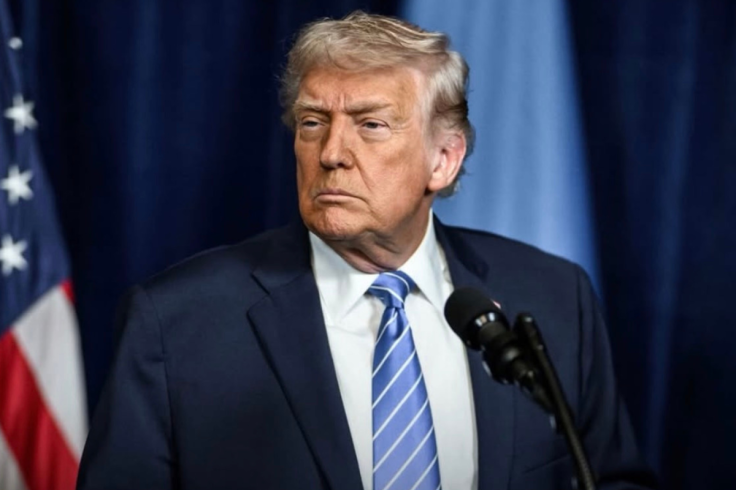
President Donald Trump's administration is asking Washington's federal planning body to clear a 250-foot Triumphal Arch near Arlington National Cemetery by arguing that the District's 116-year-old building-height law does not apply to the US government.
The National Capital Planning Commission was due to weigh the proposal and the administration's legal theory at its open meeting on Thursday.
The news came after the Trump administration revived its push for a vast ceremonial arch, proposed for Memorial Circle at the entrance to the cemetery. The project has become more than a dispute about one oversized monument.
It is now a test of whether a law that has shaped Washington's famously low skyline since 1910 can be set aside for federal construction.
Triumphal Arch Tests a Longstanding Limit
The Height of Buildings Act generally restricts structures in Washington to 130 feet, although rules vary by location and some parts of Pennsylvania Avenue permit heights of up to 160 feet. The proposed Triumphal Arch, including gold statuary at its summit, would rise 250 feet from its base.
In a legal memo submitted to the National Capital Planning Commission, the Interior Department said Congress did not intend the law to cover federal buildings. The administration's position is that the act should be treated as a local zoning rule rather than a constraint on the federal government, which it says operates under a separate approval framework.
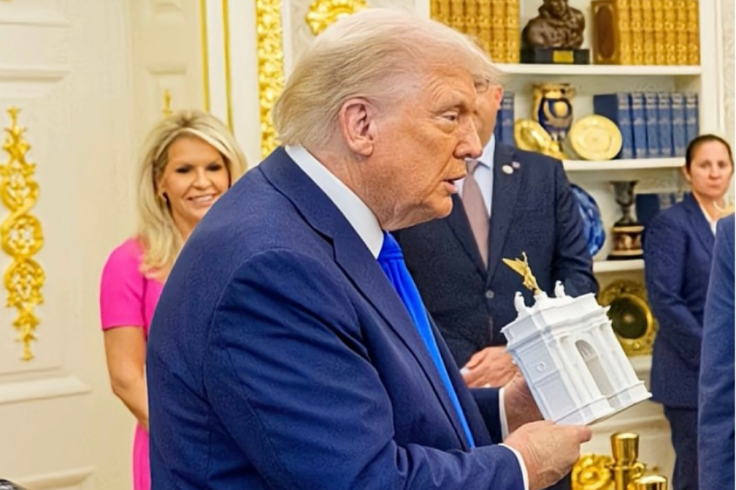
'Rather, the [Height of Buildings Act] is just a local zoning ordinance and does not apply to the United States,' the memo states. It argues that later District and federal laws created different regulatory systems for local construction and federal projects in the capital.
That is a sharp break from the planning commission's long-held approach. Its staff report says the commission has consistently treated the Height of Buildings Act as applicable to federal buildings since 1938, and recommends that commissioners ask the applicant to revise the design so it complies.
There is an awkwardness here which no amount of legal language quite removes. Washington was deliberately designed to resist the vertical swagger of other American cities. Its monuments may be grand, but most are not sky-punching structures.
The Lincoln Memorial is 99 feet high, according to the National Park Service. The White House stands 70 feet on its south side and 60 feet on its north side. The Washington Monument, at 555 feet, is of course the towering exception, while the US Capitol reaches 288 feet.
Triumphal Arch Could Redraw Federal Rules
The administration's memo leans heavily on an 1899 statute that exempted federal buildings from height limits. Although the 1910 act repealed conflicting legislation, the Interior Department contends there was no conflict because the newer law never applied to the federal government in the first place.
It also argues that the act's enforcement provisions suggest Congress had private owners in mind. Those provisions describe buildings that breach the limits as public nuisances and allow penalties through local District courts, a route the administration says would make little sense for federal officers acting in an official capacity.
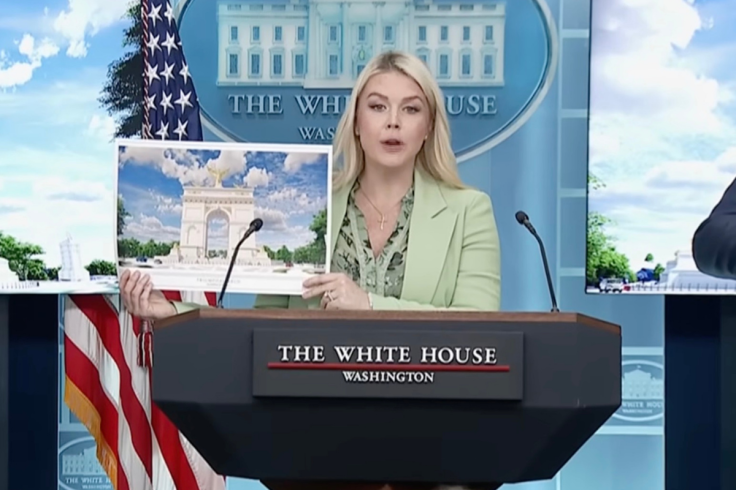
The argument is not simply that the commission should approve a bold project. It asks the commission to accept a different reading of its own authority and the city's planning history. That could matter far beyond Memorial Circle, particularly if future federal agencies seek bigger, taller or more visually aggressive schemes in the capital.
The commission's staff has pushed back. Its report says the proposed design should be revised to meet the height law, placing the practical question before commissioners in unusually blunt terms. Approve the arch as presented, or insist that the administration cut it down to size.
The White House has cast the project as a tribute to military service. Spokesman Davis Ingle told The Independent that the Triumphal Arch would become 'one of the most iconic landmarks not only in Washington, D.C., but throughout the world.'
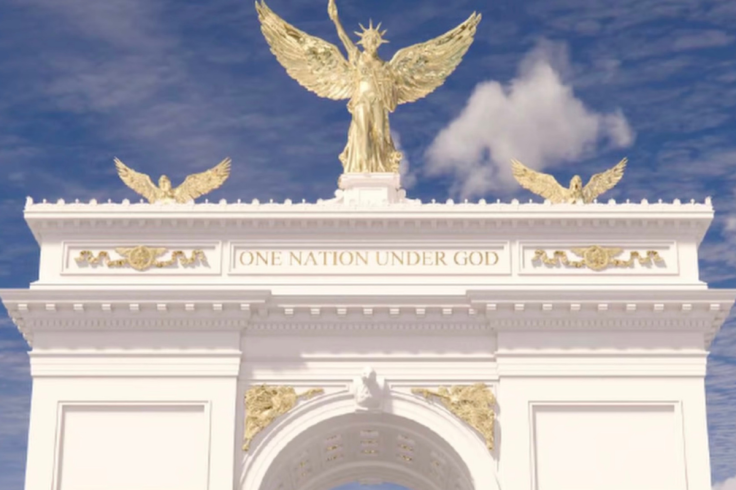
Ingle said it would improve the experience for veterans, relatives of the fallen and other visitors to Arlington National Cemetery, while acting as 'a visual reminder of the noble sacrifices borne by so many American heroes throughout our 250-year history.' That is the administration's case for the arch, and it is plainly pitched at patriotism as much as architecture.
Critics, meanwhile, have focused on its scale and setting. Public comments lodged with the commission describe the 250-foot proposal as nearly twice the general 130-foot limit, with opponents questioning its effect on the Memorial Avenue corridor.
Whether commissioners accept the administration's legal interpretation will determine more than the fate of a gold-topped arch. The paperwork has turned a monument proposal into a fight over who gets to decide what Washington looks like. That is not small stuff.
© Copyright IBTimes 2026. All rights reserved.