

One Afghan Sister Got Five Years, the Other Just 30 Months: The Human Cost of Labour's New Refugee Rules
An Afghan refugee received 30 months' leave to remain while her sister got five years, prompting a legal challenge to Labour's new asylum rules.
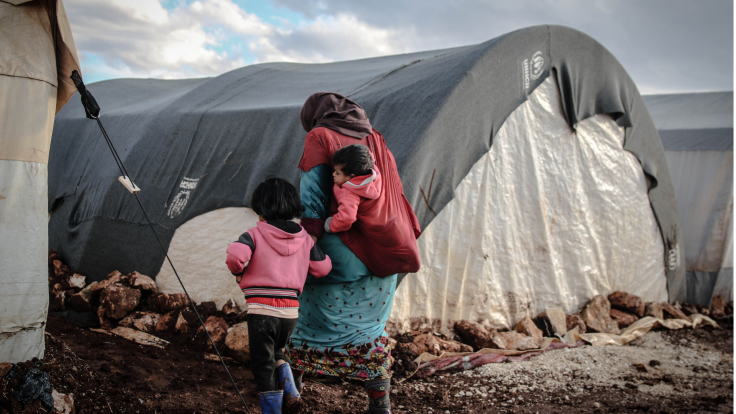
An Afghan refugee granted asylum in Britain says Labour's new refugee rules have left her living with uncertainty after she received just 30 months' leave to remain, while her sister was granted five years under the previous system.
Noor, whose name has been changed for safety reasons, fled Afghanistan after the Taliban returned to power. She was granted refugee status in April, shortly after new asylum rules introduced by Home Secretary Shabana Mahmood came into force.
Under the policy, successful asylum seekers are now granted 30 months' leave to remain instead of five years.
Their cases will be reviewed every 30 months and, in some cases, protection could be withdrawn if conditions in their home country are deemed safe.
Previously, refugees who were granted asylum typically received five years' leave to remain before becoming eligible to apply for indefinite leave to remain.
How One Policy Change Split Two Sisters' Futures
Noor and her sister escaped the same country and sought protection from the same threat. But a change in government policy means they now face very different futures in Britain.
Noor's sister was granted refugee status before Labour's reforms took effect. She received five years' leave to remain and can apply for permanent settlement at the end of that period.
Noor was granted refugee status just weeks later. Under the new rules, she received only 30 months' leave to remain.
The difference has turned Noor into one of the first refugees directly affected by Labour's new asylum framework.
Her case now sits at the centre of legal action brought by Asylum Aid, which argues the reforms risk creating unequal outcomes for refugees who need the same protection.
Why Asylum Aid Says The Rules Are Unlawful
Asylum Aid has sent a pre-action letter to the government arguing that ministers failed to properly assess the impact of the policy on refugees, children and other vulnerable groups.
The charity also argues that the Home Office did not adequately consider the impact repeated applications every 30 months could have on the asylum system.
According to the legal challenge, the government may also have breached its public sector equality duty and obligations relating to child welfare.
Asylum Aid chief executive Alison Pickup said the reforms risk trapping refugees in a cycle of insecurity. 'Reducing protection from five years to two and a half years makes it harder to rebuild lives, find stable work and contribute to communities,' she said. 'Refugees need certainty and dignity, not a system that keeps them in limbo.'
Could Labour's Refugee Reforms Be Stopped In Court?
The reforms were inspired in part by Denmark's immigration system, where many refugees are granted temporary protection rather than long-term status. When a country is considered safe, Danish authorities can refuse to renew protection, even for people who have lived there for years.
Campaigners fear the UK could move towards a similar model, leaving refugees facing repeated reviews and ongoing uncertainty.
Labour says the changes will help create a 'compassionate but controlled asylum system.'
A Home Office spokesperson said Britain's asylum system remains an outlier compared with many European countries, where asylum claims have fallen while UK numbers have continued to rise.
It is now up to the courts to decide whether Asylum Aid's legal challenge can proceed.
For Noor, the case is not about legal paperwork. It is about whether two sisters who fled the same Taliban threat should face different futures simply because one received refugee status before a policy change and the other received it after.
© Copyright IBTimes 2026. All rights reserved.
- Recommended For You


