DRC Ebola Outbreak Reaches France — How Did the Virus Get to Europe?
Doctor from DRC isolated in France as rare Ebola strain spreads rapidly.

France's Ministry of Health confirmed the country's first case of Ebola, marking the first time that the current Congolese outbreak reached European soil.
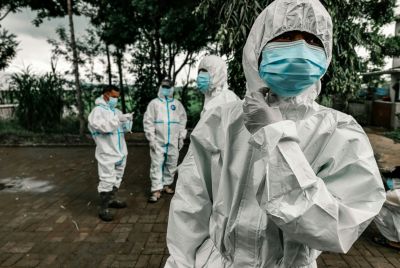
The infected individual is a doctor from the Democratic Republic of Congo. Upon arrival in France, the doctor was immediately isolated and has since begun 21 days of home isolation. Officials are also currently tracking down the patient's close contacts, who will also be required to self-isolate. The European Centre for Disease Prevention and Control (ECDC) has stated that there is a low chance of the disease's further spread in Europe.
The doctor was returning home from a humanitarian mission in the DRC, which has been battling an Ebola outbreak since May 17.
Rare Strain Causes Rapid Spread
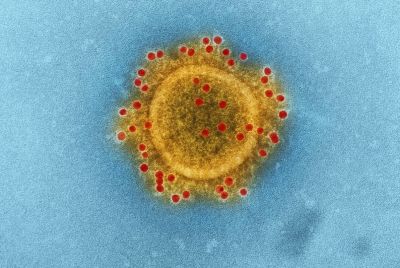
The current outbreak is particularly alarming, as it is driven by the rare Bundibugyo strain of Ebola.
Unlike the more common Zaire strain responsible for previous outbreaks, the Bundibugyo strain has no approved treatment or vaccine, which has caused it to spread far more rapidly.
On 21 June–little more than a month since the outbreak was declared–the Congolese government announced that the number of infections had surpassed 1000, including 254 deaths. 'This is the largest number of confirmed cases in the first month of an Ebola disease outbreak in Africa,' said Dr. Abdirahman Mahamud, Director of Health Emergency Alert and Response Operations at the World Health Organization (WHO).
Exacerbating the outbreak is the fact that the disease is being transmitted along migration routes, where populations regularly travel for mining and trading activities. In addition, humanitarian response has been hampered by the isolation of affected populations, and armed conflict–the rebel group, M23, operates in the provinces of North and South Kivu, both of which are affected by the outbreak.
If left unchecked, the spread of the disease may also affect other sectors, as the DRC is the world's leading producer of cobalt and one of Africa's largest producers of copper–both essential for the manufacture of technological goods.
Response Still Catching Up
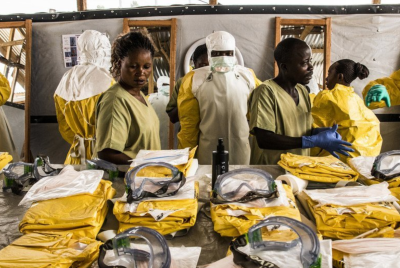
Despite these difficulties, Dr. Mahamud is optimistic about the response to the outbreak. The number of treatment beds has grown dramatically, surveillance has been increased, and laboratory capacity has leapt from 30 tests a day in Kinshasa to over 2,000 tests a day across Ituri, North Kivu, and South Kivu.
Other countries have also sent aid: last week, the United States' Centers for Disease Control and Prevention (CDC) dedicated $107 million (over £80 million) to support the response. The US has also shipped an undisclosed amount of experimental antibody drugs, intended to generate clinical data for future use.
Little Chance of Global Spread
While Ebola is still spreading in Congo and neighboring Uganda, where 20 cases have been recorded, WHO Director-General Tedros Adhanom Ghebreyesus says other governments have little cause for fear.
Apart from the fact that the virus only spreads through contact with the bodily fluids of infected individuals, only 30 cases of imported Ebola infections have been recorded in the past 50 years. 'The risk to the rest of the world is low,' said Tedros. 'Whether it's France or other countries in Europe, [other governments] shouldn't overreact.'
© Copyright IBTimes 2026. All rights reserved.
- Recommended For You