DSA Makes It Official: Endorsed Candidates Must Back Abolishing the Senate, Presidency and Supreme Court
DSA's 'Workers Deserve More' platform calls for major government overhaul

The Democratic Socialists of America (DSA) have formally tied their endorsement process to sweeping constitutional changes, requiring backed candidates to support abolishing the US Senate, replacing the Electoral College and overhauling the federal judiciary.
The organisation's updated national platform, 'Workers Deserve More', sets out a vision of transforming the United States into a parliamentary-style democracy, placing executive power under the direct control of an expanded, proportionally elected House of Representatives.
DSA Sets Hard Line on Structural Overhaul
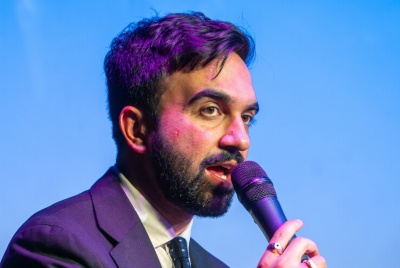
During promotional broadcasts and public discussions featuring progressive commentators such as Emma Vigeland, organisers outlined the group's plan to rework the US constitutional system along parliamentary lines. Under the platform, the Senate and Electoral College would be abolished in favour of a larger House of Representatives chosen by proportional representation, with executive leadership answerable directly to Congress.
Alongside abolishing the Senate and replacing elements of the federal judiciary, the updated programme calls for wide-ranging economic and voting reforms. Endorsed politicians are expected to back policies including ranked-choice voting and public ownership of major national industries.
The organisation allows local and federal candidates to associate themselves with this platform without necessarily placing every structural demand at the centre of their day-to-day campaigns.
🇺🇸The DSA just made it official: any candidate seeking their endorsement must now support abolishing the presidency, the Senate, and the Supreme Court.
— NewsForce (@Newsforce) August 5, 2026
Party leaders declared the radical overhaul of the U.S. government “a requirement,” including replacing the chief executive and…
Endorsement Rules Tightened in Public Broadcast
Representatives of the political group set out their position in a widely circulated video featuring progressive media commentators such as Emma Vigeland.
In the broadcast, leaders confirmed the updated policy parameters, stating that the structural overhaul is 'a requirement now' for those seeking the group's endorsement. The move marks a clear shift from calls for incremental institutional reform to a comprehensive reconstruction of the national government framework.
Under the changes, endorsed politicians are now expected to promote ranked-choice voting across jurisdictions and argue for public ownership of major national industries. The organisation's endorsement criteria effectively require local and federal candidates who seek its backing to commit to this wider vision of democratic socialism.
DSA Co-Chair Megan Romer confirms their platform includes:
— RNC Research (@RNCResearch) July 26, 2026
- Abolishing the Senate, presidency, & Supreme Court
- Abolishing ICE, borders, & prisons
- Defunding the Pentagon
- Mass amnesty for illegals pic.twitter.com/rPQiT9HCXN
Debate Builds Over Stringent Endorsement Pledges
The proposals have drawn criticism from more moderate political strategists, who say strict ideological tests can make it harder for progressive candidates to compete in closely contested districts.
The platform also underlines a dividing line between grassroots socialist organisers and prominent progressive lawmakers. Senator Bernie Sanders, an independent who caucuses with Democrats, has focused on social and economic reform while rejecting efforts to dismantle core constitutional bodies such as the Senate. As election cycles approach, candidates backing DSA face the continuing task of balancing grassroots socialist support with the expectations of a broader general-election electorate.
Under increased public scrutiny, several political candidates previously associated with the organisation have begun to move away from the new platform. They are seeking to navigate the response to the endorsement rules as national political debate over institutional reform intensifies.
The developments leave candidates weighing whether such detailed ideological conditions will help consolidate support among committed activists or risk weakening that base before voting begins.
© Copyright IBTimes 2026. All rights reserved.
- Recommended For You