What Is Trump's NSPM-7 Memo and How Does It Target 'Anti-Capitalism' in Leftist Organisations?
Trump's NSPM-7 memo has triggered alarm over whether the administration is using national security language to target left-wing organising, anti-capitalism and protest activity
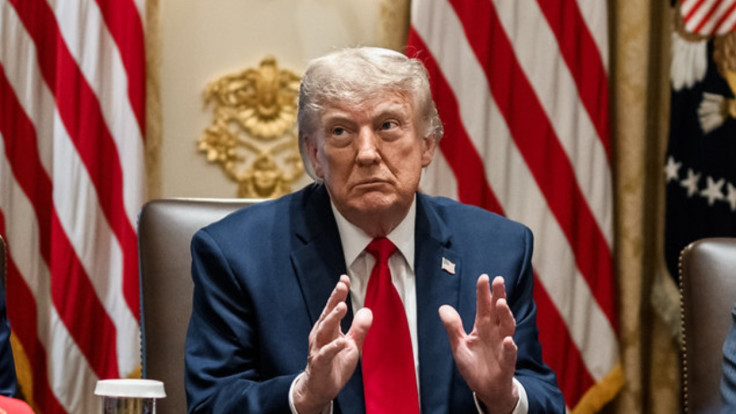
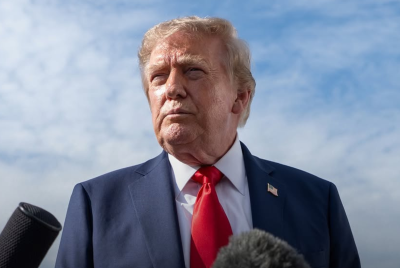
Donald Trump's National Security Presidential Memorandum-7, better known as NSPM-7, has become a flashpoint after critics said it gives federal agencies a broad new framework to scrutinise left-wing organisations, including groups associated with 'anti-capitalism' and anti-fascist politics.
The memo, signed in September 2025, is being described by opponents as an attempt to fold protest, association and ideology into the language of domestic terror, although the White House has framed it as a counter-terrorism measure aimed at political violence.
The controversy sharpened in June 2026 after the Justice Department charged 15 Minnesota activists in connection with anti-ICE protests tied to Operation Metro Surge, the federal immigration crackdown in Minneapolis.
Reuters and US reporting said the case involved allegations that demonstrators used blockades and messaging apps to coordinate disruption, while supporters of the defendants argued the government was stretching conspiracy law to target political dissent.
NSPM-7 and the New Language of Risk
The core accusation from civil liberties critics is not simply that NSPM-7 expands surveillance, but that it recasts ideology as evidence.
According to a letter from Representatives Mark Pocan, Jared Huffman and Pramila Jayapal, the memo names 'anti-capitalism' and 'anti-Christianity' among the indicators the administration associates with violent conduct, a move they warned could chill lawful activism and even ordinary organising.
That concern is also shared by legal academics. In commentary reported by the University of Pennsylvania's student newspaper, Professor Kermit Roosevelt said the document could be read as a 'pretext to harass left-wing organisations and universities,' pointing to language in the memo that links protest, radicalisation and political beliefs.
The memo's defenders said it is aimed at violence, not ideas, but that distinction is exactly where the fight now sits.
NSPM-7 matters because it does not need to create a new crime to have real world effect. Instead, it allegedly directs existing powers, from conspiracy law to federal task forces, towards people and networks the government says are part of a broader threat environment.
That is a serious claim, and one that cannot be independently confirmed, but it captures the fear among activists who say the memo turns organising into a matter for federal scrutiny.
The Minneapolis Case Puts NSPM-7 in Practice
The news came after the Justice Department announced charges against 15 people in Minneapolis, saying they were part of a conspiracy to impede federal officers during protests against immigration enforcement.
Federal prosecutors said the case involved coordinated efforts to obstruct ICE operations, while news outlets covering the arraignment reported that the indictment references messaging apps and protest organising around the Whipple Federal Building.
Supporters of the defendants say that framing is overblown. Unicorn Riot, which has closely followed the case, reported that activists see the charges as politically motivated and tied to Trump's broader anti-left agenda, with one defendant quoted as saying the point was to 'quell dissent in Minneapolis.' That is not the same as proving the government's case is unlawful, but it does show why the charges landed with such force in activist circles.
The same tension runs through the comparison with other protest prosecutions, including past cases where conspiracy allegations were used to sweep in people who were not accused of directly committing violence.
That is the uncomfortable truth here. In the United States, conspiracy law is already broad, and when the state decides to cast a wide net, the line between association and participation can get ugly fast, especially when the politics are combustible.
Why Anti-Capitalism Became a Trigger Word
What makes NSPM-7 unusually controversial is not just the memo's target list, but the symbolism of 'anti-capitalism' sitting inside a national security framework. Critics say the phrase is so elastic that it could describe everything from radical protest to union politics, mutual aid or a tenant boycott.
The White House, by contrast, appears to be treating it as part of a broader pattern of ideological extremism, which is where the constitutional alarm bells start ringing for lawyers and activists alike.
That may sound abstract, but in practice the stakes are concrete. If federal agencies interpret politics as a proxy for threat, then a march, a fundraiser, a meeting or even a social media post can become the first breadcrumb in a federal file.
That is already happening through joint task forces, nonprofit scrutiny and the use of old tools in new, more aggressive ways.
For now, NSPM-7 sits at the centre of a wider fight over how far the state can go in calling dissent dangerous. The memo's supporters say it protects public safety. Its critics say it hands prosecutors a political map, and then tells them to follow it.
© Copyright IBTimes 2026. All rights reserved.
- Recommended For You