Can Kamala Harris Win in 2028? Everything You Need To Know About Her Reported Third White House Bid
She leads every Democratic poll, but some of her own donors and aides quietly want a fresh face
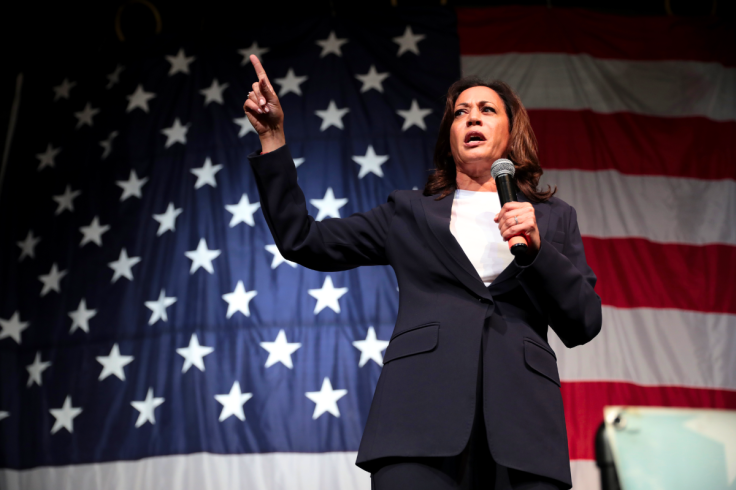
Kamala Harris says she might run for president in 2028, and Democratic voters keep putting her first. Yet as she quietly builds the machinery for a third White House bid, some of her own party is pushing back.
The former vice president gave her clearest signal yet in April, when the Rev. Al Sharpton asked her directly whether she'd seek the presidency at the National Action Network's convention in New York. 'Listen, I might, I might. I'm thinking about it,' Harris told the crowd, which had greeted her with chants of 'run again'.
So can she actually win? The answer depends less on her name recognition, which remains high, and more on whether she can outrun a party that increasingly wants a fresh face.
The Quiet Machinery Behind a Comeback
Harris didn't wait long to lay the groundwork. A financial disclosure showed that shortly after leaving office in January 2025, she set up an organisation called Pioneer49, a nod to her rank as the 49th vice president and her Secret Service codename, 'Pioneer'. The entity was described as one created to assist her.
She has kept herself visible ever since. A six-month tour for her 2024 campaign memoir, '107 Days', filled auditoriums across the country, and she has since headlined fundraisers for state parties through the South, including South Carolina, the Democrats' first primary state. In February, she relaunched her Kamala HQ social media operation as a youth organising project for the midterms.
Why Her Own Party Is Nervous
Here's the friction. Even as Harris tops the field, many of the operatives and donors who once backed her aren't sold on a rematch.
New York Magazine's Intelligencer, which spoke with several Harris aides this month, reported that friends and allies say she's content to wait, campaign where asked, and let rival contenders launch first. Not everyone in that reporting was kind. One New York donor doubted she could win over major fundraisers, and Democratic strategist Alex Hoffman said flatly that she would lose if she ran.
Earlier reporting found the same unease. When ABC News interviewed more than 15 former donors, aides, and advisers in June, several said they'd rather back a newer candidate such as California Governor Gavin Newsom, who shares much of Harris's donor base.
What the Polls Actually Show
The numbers still favour her. Morning Consult has consistently placed Harris at the front of the Democratic field, with recent surveys showing her drawing between 34% and 36% support, well ahead of Newsom and former Transportation Secretary Pete Buttigieg. A Quantus Insights poll in early July gave her a lead of nearly 18 points.
The caveat is that early polling largely tracks familiarity. Harris is the best-known name in a field where no one has formally entered, so her lead may say more about recognition than genuine enthusiasm.
The History Working Against Her
History isn't on her side either. Adlai Stevenson was the last Democrat to run as the party's nominee in back-to-back elections, losing to Dwight Eisenhower in 1952 and again in 1956. No Democrat has repeated as nominee since.
Why does any of this matter now? The 2028 field will shape the fights over prices, housing, and healthcare that begin in this year's midterms. Whether Harris runs, and whether her party lets her, could decide who leads that argument.
© Copyright IBTimes 2026. All rights reserved.
- Recommended For You