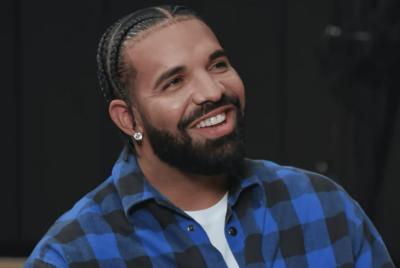
Universal Claims Drake Used Label Against Kendrick Lamar, Now Seeks New Defamation Standard
The music giant warns that Drake's defamation appeal could 'critically undermine' hip-hop culture by treating metaphorical diss tracks as literal facts

Drake is locked in a high-stakes appellate battle with Universal Music Group (UMG) that could fundamentally rewrite the legal boundaries of hip-hop.
On 30 March 2026, UMG filed a scathing 83-page response brief, urging the US Court of Appeals for the Second Circuit to uphold the dismissal of Drake's defamation lawsuit.
The Canadian rapper originally sued his own distributor in January 2025, alleging that Kendrick Lamar's viral hit Not Like Us contained false and defamatory accusations of pedophilia. However, UMG argues that Drake is attempting to 'strip words from their context' to salve the wounds of a lost rap battle. A legal showdown is underway, in which the victor may decide whether a diss track is a protected work of art or a legally actionable confession.
What began as a heated rap feud has now escalated into a courtroom debate involving Drake, Kendrick Lamar, and Universal Music Group, with implications that could ripple across the entire industry.
Universal Music Group is firing back at Drake again, arguing in a new appellate brief that the rapper’s attempt to revive his failed defamation lawsuit over Kendrick Lamar’s “Not Like Us” is illogical and “astoundingly hypocritical.”https://t.co/t511Y1jZqU pic.twitter.com/rGA9jmdJkk
— Yahoo Entertainment (@YahooEnt) March 28, 2026
The Core of the Drake Kendrick Lamar Lawsuit
The dispute stems from Kendrick Lamar's viral diss track Not Like Us, which many fans and analysts saw as the final blow in a highly publicised rap battle. Drake has argued that certain claims within the track went beyond artistic expression and crossed into defamation.
According to a report summarised by XXL Mag, Universal Music Group has strongly pushed back, stating that Drake's claims seek to impose an unrealistic legal standard on lyrical content. The label's position, as part of the broader Universal Music Group defamation case, is that rap lyrics, especially diss tracks, are inherently exaggerated, metaphorical, and rooted in performance rather than literal fact.
UMG claps back at Drake’s “Not Like Us” defamation claims and calls the appeal “hypocritical,” accusing him of trying to spin the block with a attempt an appeal for after the dismissal. @lorenlorosa has the latest! pic.twitter.com/RRC8lro2U1
— The Breakfast Club (@breakfastclubam) March 31, 2026
Why Universal Music Group Is Fighting Back
Universal's argument goes beyond defending a single track or artist. The company is effectively defending the entire framework of hip-hop storytelling. In rap culture, punchlines, exaggeration, and provocation are not just common; they are expected.
From this perspective, the Kendrick Lamar diss track lawsuit isn't just about one lyric or one song. It's about whether courts should interpret rap lyrics as literal statements or as creative expression shaped by tradition.
Universal's legal stance suggests that treating diss tracks as factual claims would fundamentally misunderstand the genre itself.
Drake is suing Universal Music Group for defamation, spreading the “false and malicious” narrative that he is a pedophile by releasing and promoting Kendrick Lamar’s “Not Like Us,” TMZ reports.
— Pop Crave (@PopCrave) January 15, 2025
He claims the label promoted the track to devalue his brand and give them leverage in… pic.twitter.com/QYuaSYBvOe
The Question of Defamation Standards
At the heart of the Drake UMG legal battle is a potential shift in how defamation is defined in entertainment contexts. Drake's argument implies that if listeners believe certain statements in a song, those statements could be treated as defamatory.
Universal counters that adopting such a standard would create a chilling effect. Artists might hesitate to engage in rap battles, fearing legal consequences for what has historically been viewed as competitive expression rather than factual reporting.
Could This Change Hip-Hop Forever?
Hip-hop has always thrived on rivalry. From early rap battles to modern diss tracks, wordplay has been one of the genre's defining features. If courts begin to scrutinise lyrics more literally, the rules of engagement could shift dramatically.
This is where the concept of a hip hop defamation standard becomes especially important. If lyrics are increasingly treated as statements of fact, artists may need to self-censor or avoid certain types of creative expression altogether.
That could alter not just how diss tracks are written, but how entire albums are crafted. The playful exaggeration, coded language, and layered meanings that fans enjoy might be replaced by safer, more legally cautious writing.
Rap Beef and Legal Boundaries
Rap beef has historically been a cultural phenomenon rather than a legal one. From iconic rivalries in the past to modern-day exchanges, artists have used music as a platform to compete, respond, and build narratives.
The rise of rap beef legal issues introduces a new dimension to these exchanges. Instead of resolving disputes through music, artists may increasingly rely on courts, lawyers, and formal complaints.
This shift raises a fundamental tension. Hip-hop values authenticity and bold expression, yet legal systems prioritise verifiable facts. Reconciling the two is not straightforward.
Why This Case Matters Beyond Drake and Kendrick
While the Drake defamation lawsuit and Kendrick Lamar debate dominate headlines, the broader implications extend to the entire music industry. Labels, artists, and legal teams are closely watching how this case evolves, as it could set precedents for future disputes.
If Drake succeeds in reshaping how courts interpret lyrical content, the ripple effect could be massive, opening the floodgates for artists to legally challenge songs they feel cross the line and turning rap lyrics into potential courtroom evidence rather than just creative expression.
But if Universal Music Group prevails, it could solidify a powerful legal shield around music, reinforcing that hip-hop's boldest lines, no matter how provocative, remain protected as art, not actionable claims, a decision that may ultimately define the future balance between free expression and legal accountability in the industry.
© Copyright IBTimes 2026. All rights reserved.
- Recommended For You