Nearly Impossible-to-Treat Deadly Fungus Confirmed in 23 States, but CDC Data Show Where the Real Threat Is
The drug-resistant fungus is expanding across states but remains concentrated among high-risk patients


A drug‑resistant fungus that can survive on surfaces for weeks and spread in healthcare settings has been confirmed in 23 U.S. states, but federal data indicate the greatest risk remains inside hospitals and long‑term care facilities rather than in the wider community.
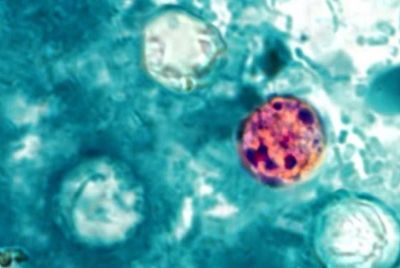
The fungus, known as Candida auris, has drawn attention from health officials because some strains can resist multiple classes of antifungal medicines, making infections harder to treat. The Centers for Disease Control and Prevention (CDC) classifies C. auris as an urgent public health threat because of its ability to spread in healthcare environments and cause severe infections among vulnerable patients.
While confirmed cases have increased across the United States, CDC data show infections are not spreading evenly among the general population. The highest risk remains among people with prolonged healthcare exposure, invasive medical devices or weakened immune systems.
Where Candida Auris Is Spreading
Unlike many common infections, Candida auris does not typically spread through casual contact in the community. The fungus is mainly transmitted in healthcare settings through contact with contaminated surfaces or equipment, as well as through contact with colonised individuals who carry the organism on their skin without showing symptoms.
Patients in intensive care units, nursing homes and other long‑term healthcare facilities face greater risk because they are more likely to have factors that allow the fungus to enter the bloodstream or other parts of the body. Those at higher risk include people who have spent time in hospitals, patients with central venous catheters or other medical devices, and individuals who have received broad‑spectrum antibiotics or antifungal treatments.
The CDC has reported that C. auris cases have been identified in multiple states, with several regions accounting for a large share of reported infections.
Why Health Officials Are Concerned
The main challenge with Candida auris is its resistance to treatment. Some strains have developed resistance to one or more commonly used antifungal medications. In rare cases, infections have shown resistance to all three major classes of antifungal drugs.
The fungus can also be difficult to identify because it may be mistaken for other types of Candida infections without specialised laboratory testing. Another concern is its ability to persist in healthcare environments. Unlike many organisms that are removed through routine cleaning, C. auris can remain on surfaces and spread between patients if infection‑control procedures are not followed.
Health officials have focused on early detection, rapid reporting and strengthened infection‑prevention measures to limit transmission.
Most Cases Are Linked to Healthcare Exposure
CDC surveillance shows that Candida auris is primarily a healthcare‑associated threat. The fungus is not considered a widespread community infection affecting healthy people in everyday settings.
Most individuals who encounter C. auris do not develop serious illness. The greatest danger is among patients whose health conditions make it easier for the fungus to cause invasive infections.
Bloodstream infections caused by C. auris can be serious, particularly among people already dealing with severe illness or complex medical conditions.
CDC Tracks Spread as Cases Increase
Public health agencies continue to monitor Candida auris as more cases are identified across the country. The CDC recommends healthcare facilities screen high‑risk patients, strengthen infection‑control practices and report cases to public health authorities.
The increase in detected cases reflects both the spread of the fungus and improvements in surveillance that allow health officials to identify infections more quickly. For most people, the immediate risk remains low. The focus remains on preventing transmission in healthcare settings where vulnerable patients face the greatest danger.
© Copyright IBTimes 2026. All rights reserved.
- Recommended For You