Ebola Outbreak Could Become Deadliest Ever as WHO Warns Cases and Deaths Continue To Rise
Health officials report over 2,000 deaths as a fast-moving viral wave outpaces response teams in Central Africa, prompting urgent vaccine trials

Global health authorities have issued an urgent warning that the current Ebola epidemic sweeping through Central Africa is moving faster than response efforts and threatens to become the deadliest on record.
World Health Organisation (WHO) Africa Regional Director Dr Mohamed Yakub Janabi starkly admitted that response teams are constantly lagging behind the pathogen, stating that the virus remains frustratingly ahead of containment measures.
Caused by the rare Bundibugyo ebolavirus species, the outbreak has surpassed 4,000 confirmed cases with the death toll climbing past 2,100 fatalities across the Democratic Republic of the Congo (DRC) and neighbouring regions.
A Virus Moving Faster Than the Response
WHO Director-General Tedros Adhanom Ghebreyesus cautioned that if the current transmission trajectory persists, this emergency could eclipse the devastating 2014–2016 West African crisis, which claimed more than 11,000 lives.
Genomic tracking indicates the virus may have silently circulated since January, granting the contagion a lethal head start before health ministries officially declared the health emergency in mid-May.
The warning could hardly be more stark. Dr Janabi says health workers are struggling to contain it.
'We are chasing the virus; the virus is ahead of us,' Janabi said, describing a crisis in which transmission is moving faster than efforts to identify and contain it.
More Than 2,000 Deaths and Counting
The scale of the Ebola virus outbreak is already staggering. Government figures released on Wednesday put the toll at 4,566 confirmed cases and 2,128 deaths. That makes the current epidemic the second-largest Ebola outbreak on record by cases, behind the West African catastrophe.
What makes the numbers particularly alarming is the speed. The outbreak passed 2,000 confirmed deaths in less than three months after it was officially declared on 15 May, making it the fastest-growing Ebola outbreak recorded to date.
The Virus Was Already Spreading
The official declaration date, however, does not appear to be the beginning of the crisis. Genomic research indicates that transmission may have started as early as January or February in Ituri province, meaning the virus could have been spreading for months before health authorities recognised the threat.
More than 500 suspected cases were identified between mid-January and May 15. Janabi said some early cases were mistaken for malaria or typhoid. That delay matters because every missed infection creates another opportunity for the virus to move through families, communities, and healthcare settings. In other words, by the time the Ebola outbreak was officially declared, the virus may already have had a substantial head start.
A New Province Raises Fresh Fears
Now there is another worrying development. Congolese authorities have identified an Ebola-related death in Bas-Uele, a province not previously affected by the current outbreak. The patient, a motorcycle taxi driver, had travelled there from neighbouring Haut-Uele, where Ebola cases had already been recorded.
Jean-Jacques Muyembe, head of Congo's National Institute for Biomedical Research, said the man visited several health facilities before his death and that fellow motorcycle taxi drivers attempted to retrieve his body.
The significance is immediate. Bas-Uele will not formally be added to the list of affected provinces unless local transmission is confirmed, but the patient's movements have raised fears that other people may have been exposed.
Why Containment Is So Difficult
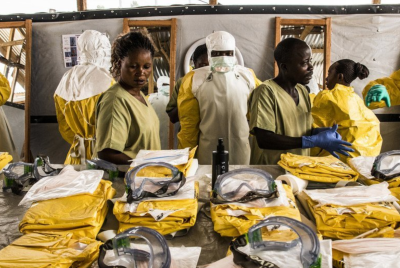
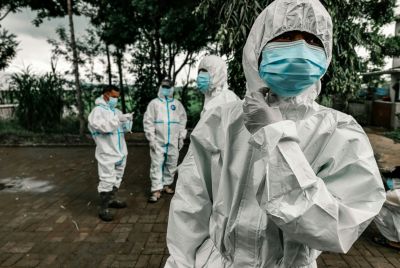
The Ebola outbreak in Congo is unfolding in eastern areas already facing insecurity, humanitarian pressures, and difficult access.
WHO says the outbreak has expanded across five provinces, while cases have also been reported in neighbouring Uganda. Remote communities, population movement, and strained health services are making surveillance and contact tracing harder.
The problem is not simply finding sick people. Responders must identify contacts, isolate patients, trace transmission chains, and work with communities quickly enough to prevent the next infection.
WHO reported in July that more than 80% of newly detected cases were being found outside known contact lists, a troubling sign that transmission chains were still being missed.
The Ebola Strain Has a Dangerous Catch
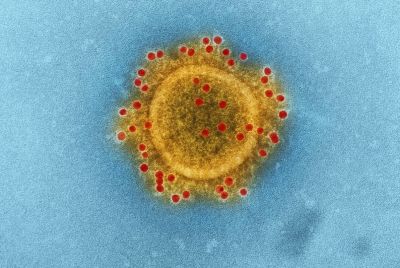
This Ebola outbreak is being driven by Bundibugyo ebolavirus, a rare species that presents another major challenge. There is no approved vaccine or specific treatment for Bundibugyo virus disease. That is particularly striking because effective vaccines and treatments exist for other Ebola species, most notably Zaire ebolavirus.
So while the world learned painful lessons from the 2014 to 2016 epidemic, those medical advances do not simply transfer to this strain.
Scientists Are Racing Against the Clock
The scientific response is now accelerating. The University of Oxford began the world's first clinical trial of a Bundibugyo vaccine in July, with the first volunteer vaccinated on July 24.
The ChAdOx1 BDBV candidate uses technology developed through the Oxford-AstraZeneca COVID-19 vaccine programme.
Researchers are also testing potential treatments. WHO says the PARTNERS clinical trial is investigating therapies for Bundibugyo virus disease, after patient enrolment began in the Democratic Republic of the Congo in July. But clinical trials take time. The virus does not.
The Race To Catch Ebola
The WHO wants transmission brought under control within months, but Tedros' warning hangs over the response: if the current pace continues, this outbreak could overtake the West African epidemic that remains the deadliest Ebola outbreak in history.
For Janabi, the situation can be summed up in one chilling sentence: 'The virus is ahead of us.' The challenge now is whether health workers can finally get ahead of it.
With new infections continuing to outpace surveillance networks, international donors face mounting pressure to scale up financial and logistical backing before the epidemic engulfs broader cross-border populations.
© Copyright IBTimes 2026. All rights reserved.
- Recommended For You