

Elon Musk's $440M Political Spending Sparks Push to Close Federal Contractor Donation Loophole
Proposed legislation would extend campaign finance restrictions to executives and major shareholders of federal contractors
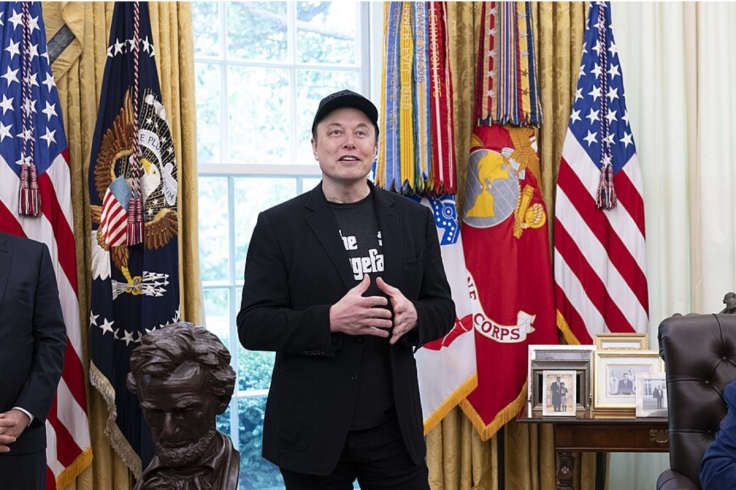
Elon Musk's political spending has sharpened scrutiny of a gap in US campaign finance rules: while companies holding federal contracts face restrictions on political donations, their executives and major shareholders can still give from personal funds.
Senator Chris Van Hollen and Representative Robert Garcia announced the Close the Campaign Cash-for-Contracts Loophole Act on 29 October. The proposal would extend the existing ban to corporate leaders and significant shareholders. The lawmakers cited Musk's more than US$440 million (£333 million) in political spending during the 2026 election cycle, alongside the tens of billions of dollars in federal contracts received by his companies. Their announcement also noted that he donated more than US$290 million (£220 million) to Donald Trump and Republican allies during the 2024 cycle.
The bill does not allege that Musk broke current law; it seeks to extend restrictions to people who control government contractors.
The Legal Distinction Behind the Proposed 'Musk Loophole'
Federal law prohibits certain government contractors from making contributions or expenditures for federal political purposes. The Federal Election Commission (FEC) says the restriction begins when contract negotiations start or a request for proposals is issued, whichever comes first. It ends when contract performance is completed or negotiations are terminated, whichever happens later.
The ban applies to contracting entities and certain individuals and sole proprietors. However, the FEC says corporate officers, stockholders and employees may contribute from personal assets.
A company can therefore be barred from donating while its leaders and owners remain able to support candidates personally. Such donations are not automatically unlawful, nor do they prove a contract was awarded in return.
What the Campaign Cash-for-Contracts Bill Would Change
The proposed legislation would extend the ban to federal contractors' executive office holders, major shareholders, and affiliated corporations. It would also introduce a one-year cooling-off period after a contract is completed, restricting contributions during the period when a contractor could be preparing to seek further government work.
It would also target dark money pass-throughs by requiring contractor donations to be held separately and barred from campaign spending. The bill would prohibit accepting illegal contributions, as well as soliciting them, and direct prohibited funds to the US Treasury rather than back to donors.
The measure is backed by the Campaign Legal Center, Brennan Center for Justice, Democracy 21, Public Citizen, and Common Cause. Supporters say it would limit donors' ability to gain influence over taxpayer-funded contracts.
Why Super PAC Spending Is Part of the Debate
Super PACs can raise and spend unlimited sums independently to support or oppose federal candidates. They cannot legally coordinate spending with campaigns, but wealthy donors can influence the political messages voters see.
The scale of that funding extends beyond Musk. A Public Citizen analysis published in October found that 515 donors who each gave at least US$1 million contributed a combined US$4.2 billion to Super PACs during the 2026 election cycle. Musk accounted for about US$445 million of that total, or roughly 10 per cent.
Van Hollen said the bill would prevent donors backing politicians who may later vote on spending that benefits their companies. Garcia said contracts should be awarded on merit, not political connections.
These are the lawmakers' concerns, not evidence that Musk's donations secured contracts for his businesses. The proposal must pass Congress before its restrictions take effect. Until then, existing FEC rules remain in force.
© Copyright IBTimes 2026. All rights reserved.