

Did Elon Musk Really Break the Law With $1M Voter Giveaways? Wisconsin DA Now Weighs Criminal Charges
A bipartisan panel found probable cause Musk violated Wisconsin election laws, with a decision due by mid-August
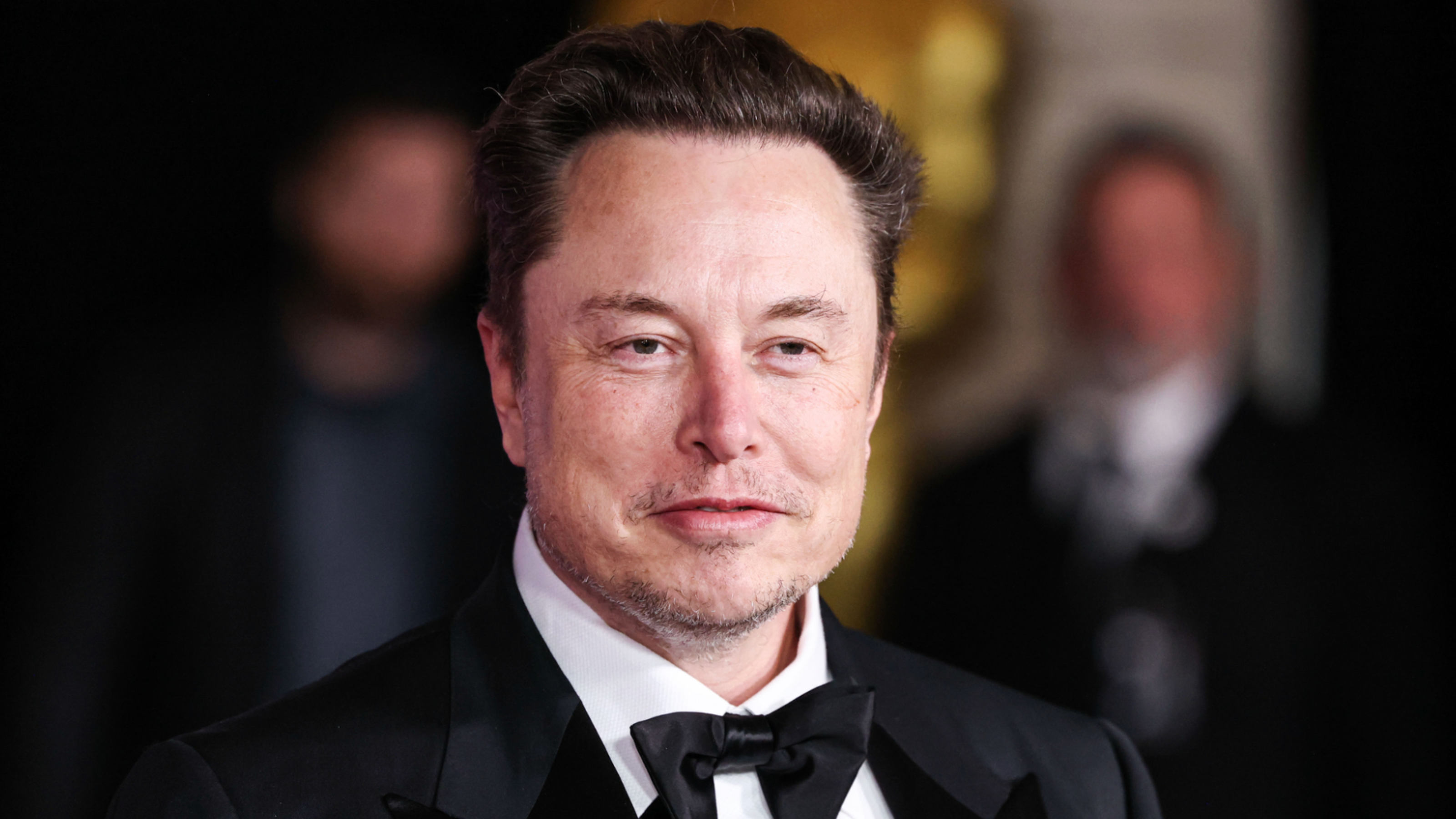
Elon Musk poured more than $20M (£15.7M) into a Wisconsin court race and lost. Now the $1M (£785,000) cheques he handed to voters could land him in a criminal court.
A bipartisan state panel has found probable cause that the billionaire broke Wisconsin's election bribery law during the 2025 state Supreme Court election. The Wisconsin Elections Commission voted 5-1 in closed session on 9 July to refer two complaints to the Brown County district attorney, giving prosecutors 40 days to respond. That points to a decision by around mid-August on whether to charge the SpaceX and Tesla chief.
The commission concluded there were grounds to believe Musk broke the law with a social media post offering $1M to people who had already voted, 'in order to induce them to vote in that election.' State statute bars giving anyone 'anything of value' worth more than a dollar to cast a ballot. Election bribery is a Class I felony in Wisconsin, punishable by up to three and a half years in prison, a fine of up to $10,000 (£7,850), or both.
The two complaints, filed by a voter in Milwaukee and another in Green Bay, are confidential under state law. Green Bay sits in Brown County, where Musk handed cheques to two voters on stage days before the vote, with a third recipient collecting one off stage. Brown County District Attorney David Lasee, a Republican, has not said whether he will act, and did not respond to requests for comment. Representatives for Musk also stayed quiet.
How the money was framed may prove central. After Musk drew criticism for suggesting he would pay people who had already cast ballots, he recast the two on-stage recipients as 'spokespeople' for his political committee, America PAC, rather than paid voters. The winners were not drawn at random either. One, Nicholas Jacobs, was active in Wisconsin Republican politics.
What Musk's $20M Wisconsin Bet Actually Bought
The scale of the spending was the story long before the referral.
Musk personally committed at least $3M (£2.4M), while America PAC and Building America's Future, two groups he funds, put in roughly $19M (£14.9M) more behind conservative candidate Brad Schimel.
Total spending on the contest sailed past $100M (£78.5M), making it the most expensive judicial election in US history. Forbes valued Musk's own fortune at close to $900B (£705B) in mid-July, still the largest on the planet.
The return was nothing. Schimel lost by 10 points to Susan Crawford, the Democratic-backed candidate, whose victory kept liberals in charge of the court, a majority that has since widened to 5-2. A month after the defeat, Musk said he would sharply cut his political spending. On the night of the loss, he posted on X: 'The long con of the left is corruption of the judiciary.'
The cash reached well beyond the headline cheques. A fortnight before polling, America PAC offered $100 (£79) to every voter who signed a petition against 'activist judges', and another $100 for each person they referred. Canvassers were promised $20 (£16) apiece for knocking on doors and posting a photo as proof.
Why the Bribery Referral Raises the Stakes for Musk
The tactic has drawn legal fire before, and so far the courts have broadly sided with Musk. His lawyers have argued the payments were 'intended to generate a grassroots movement in opposition to activist judges, not to expressly advocate for or against any candidate,' and that curbing them would breach free-speech protections in the state and federal constitutions.
Ahead of the vote, Wisconsin Attorney General Josh Kaul sued to block the giveaways, telling the court that 'Wisconsin law prohibits offering anything of value to induce anyone to vote.' Two lower courts and then the state Supreme Court refused to intervene.
Musk ran a near-identical scheme in the 2024 presidential race, dangling $1M a day before voters across seven battleground states who signed a petition. A Pennsylvania judge let it run after prosecutors could not prove an illegal lottery. A separate fraud claim from an Arizona voter, filed after Musk's lawyers conceded winners were 'vetted' rather than picked at random, was cleared last month to proceed in federal court.
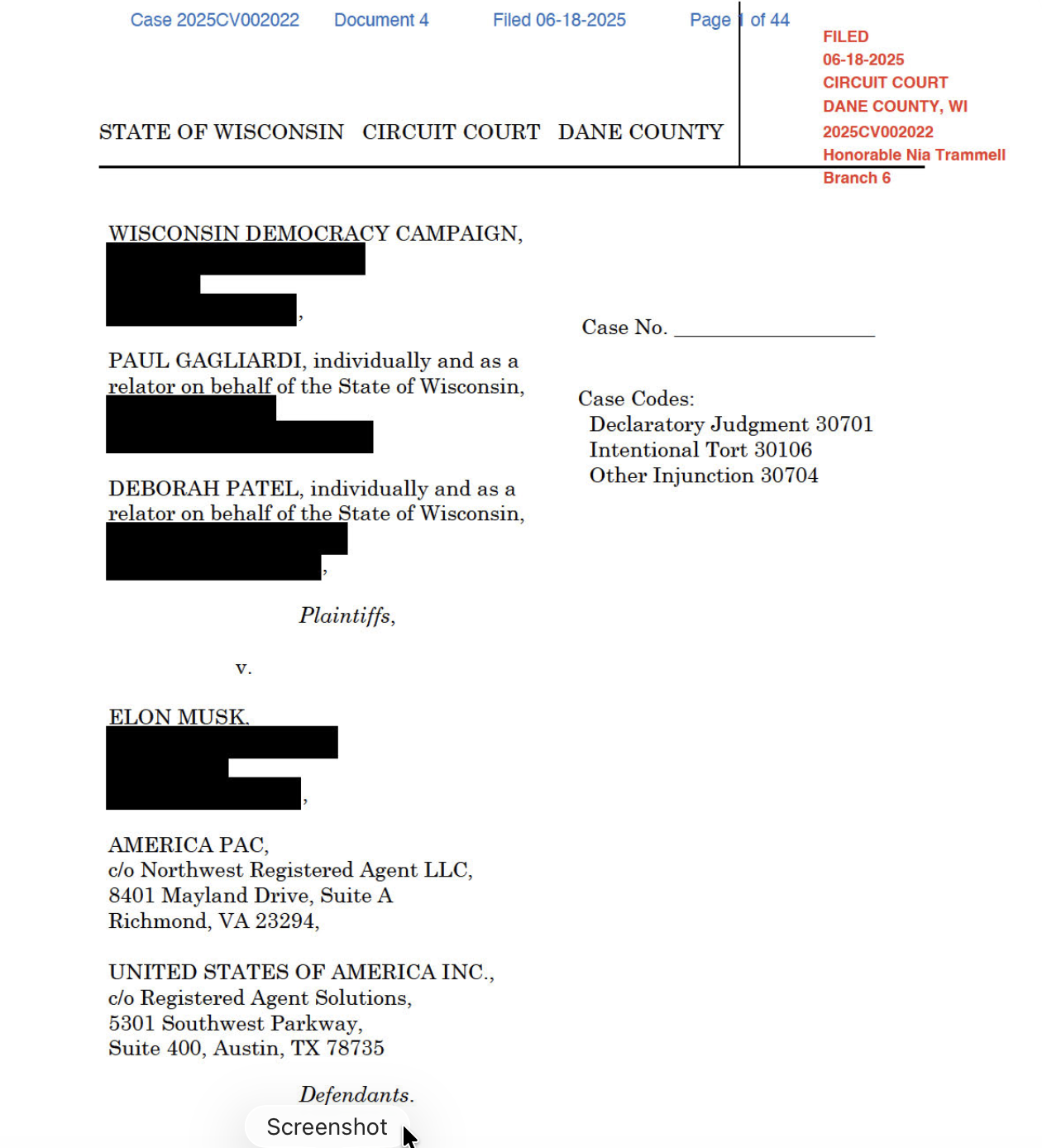
He faces civil action in Wisconsin too. The watchdog group Wisconsin Democracy Campaign is suing in Brown County to bar him from ever offering cash to voters in the state again. For now, the more serious threat is criminal, and the decision rests with Lasee.
© Copyright IBTimes 2026. All rights reserved.