Trump Tariff Refunds: CBP Begins Processing $35 Billion in Corporate Reimbursements
Supreme Court decision leads to massive refund process for US businesses affected by Trump-era tariffs.

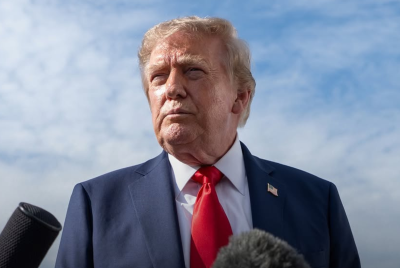
Businesses across the United States are finally seeing billions of dollars in unexpected windfalls land in their accounts, as the government begins refunding tariffs that courts have now ruled were illegally imposed under US President Donald Trump. The repayments are reigniting political battles over Trump's trade agenda, even as importers start clawing back money they paid years ago.
Supreme Court Ruling Sparks Massive Refund Process
The controversy stems from tariffs Trump introduced under the International Emergency Economic Powers Act (IEEPA), a law traditionally used during national emergencies. In February 2026, the US Supreme Court ruled 6-3 that Trump exceeded his authority by using the law to impose broad import duties on dozens of trading partners.
The ruling triggered a massive refund process involving an estimated USD $166 billion in tariffs paid by more than 330,000 importers across roughly 53 million shipments.
Now, businesses are finally beginning to see money returned.
According to new court filings and government updates, US Customs and Border Protection has already processed more than USD $35 billion in refunds, including interest payments, with additional reimbursements expected in the coming months.
The Trump administration previously announced that the first wave of refunds would begin rolling out around 11 May through a newly created system known as CAPE – the Consolidated Administration and Processing of Entries portal. The automated system was designed to help businesses reclaim tariffs more efficiently after the Supreme Court decision created enormous legal and logistical challenges for the government.
Who is Benefitting From the Tariff Refunds?
Several major companies have already confirmed receiving partial repayments. Toy maker Basic Fun said it had recovered about USD $400,000 of the USD $7.4 million it claimed, while heavy-truck manufacturer Oshkosh also acknowledged receiving refunds.
Small businesses have likewise begun applying for reimbursements, though many say the process has not been easy. Owners reported technical issues accessing the government's refund portal and long waits for assistance from Customs officials.
'It was very difficult,' Dahlia Rizk, owner of children's outerwear company Buckle Me Baby, said after attempting to reclaim roughly USD $66,000 in tariff payments.
Will American Citizens Also Benefit from The Refunds?
The refund controversy has also fuelled speculation online that ordinary Americans could receive direct 'tariff rebate' cheques similar to COVID-era stimulus payments. However, current refund programmes apply primarily to businesses and importers that directly paid the tariffs rather than individual consumers.
Still, consumer groups and some political activists have argued that companies benefiting from refunds should pass savings back to shoppers who ultimately absorbed higher prices during the tariff period. Retail giants, including FedEx and Costco, reportedly pledged to return tariff-related savings to customers where possible.
Trump has continued defending his tariff policies despite the legal defeat. Following the Supreme Court ruling, the POTUS reportedly blasted the decision as 'terrible' and 'totally defective', while later announcing a new 10% global tariff plan under different trade authorities.
The court's decision has intensified debate over Trump's economic agenda heading into the 2026 midterm election season. Supporters argue the tariffs helped protect American industries and manufacturing, while critics say they raised prices for consumers and created widespread supply-chain disruptions.
Trade groups, including the National Retail Federation and the US Chamber of Commerce, have welcomed the refund process, arguing that businesses unfairly burdened by the tariffs deserve repayment.
Experts say the full refund effort could continue for months or even years, given the enormous number of claims and the complexity of processing millions of transactions. Some analysts have described it as one of the largest trade-related reimbursement efforts in modern US history.
© Copyright IBTimes 2026. All rights reserved.
- Recommended For You