Garden Grove Chemical Crisis Eases As California Official Says Explosion Threat Has Been Eliminated
Officials declare reduced risk as chemical tank stabilises, but evacuation orders remain in place.
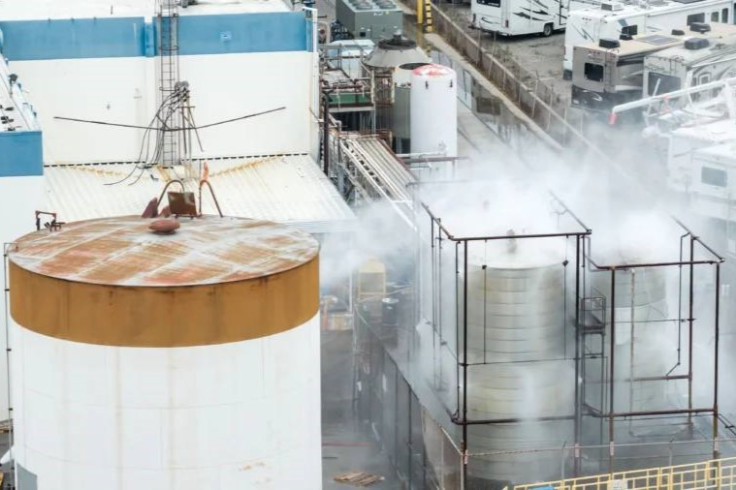
A chemical crisis that had put tens of thousands of Orange County residents on edge has taken an unexpected turn, after officials said the tank at the centre of the scare was no longer at risk of exploding. The update has shifted attention in Garden Grove from a looming disaster to what remains of the wider evacuation response and the long hours of disruption that followed.
The tank contained methyl methacrylate, a toxic chemical used in plastics manufacturing, and emergency orders had forced around 40,000 people to leave homes across parts of Orange County. Fire crews and local officials had spent days trying to stabilise the situation after fears the tank could rupture or ignite.
Explosion Threat Significantly Reduced
Officials said the danger level changed after temperatures inside the tank dropped and crews were able to make progress at the scene. The latest assessment suggested the chemical tank was no longer at risk of exploding, marking a major shift in a case that had drawn intense attention across Southern California.
The container became a serious concern as heat and pressure built inside it, prompting a large-scale response in Orange County. Officials treated the incident as a potentially catastrophic hazmat emergency.
Fire crews had been working to keep the tank stable while monitoring the toxic chemical inside it, and the possibility of a rupture remained the central fear through the early stages of the crisis. When the pressure began to ease, officials said the threat of explosion was effectively eliminated, though the site still required close observation.
***INCIDENT UPDATE***
— OCFA (@OCFireAuthority) May 25, 2026
Note: Videos include AI-generated captions. While efforts have been made to ensure accuracy, some transcription errors may occur. pic.twitter.com/tP4ZuPc8C8
Evacuation Orders Reshape Daily Life
The evacuation zone extended well beyond the immediate area around the facility in Garden Grove, affecting parts of neighbouring communities as authorities tried to keep residents clear of any possible danger. By the time the situation reached its most serious point, roughly 40,000 people had been told to leave their homes. The evacuation orders covered a wide area as the emergency intensified.
The scale of the evacuation made the incident one of the most closely watched public safety events in the region in recent days. Local and national coverage tracked the emergency as it moved from an explosion scare to a broader response involving road closures, shelter planning and ongoing monitoring.
California officials responded by declaring a state of emergency in Orange County, a move intended to widen the flow of resources available to local agencies. That declaration reflected the seriousness of the chemical crisis and the strain it placed on emergency services and residents alike.
What Crews Discovered At The Scene
A key turning point came when firefighters and hazardous materials crews found evidence that a crack in the tank may have helped relieve pressure. The development was seen as a positive sign because it reduced the risk that had been driving the most urgent warnings.
The chemical involved, methyl methacrylate, had been at the heart of the public concern from the start because of its toxic nature and the possibility that the tank could fail under pressure. OCFA fire officials said the incident was a major hazmat operation, with crews trying to contain a fast-changing problem at the Garden Grove site.
The update now leaves Orange County with a smaller immediate danger, but the consequences of the chemical leak are still being dealt with on the ground. Officials remain responsible for ensuring the site stays stable and that the public is kept informed if conditions change again.
© Copyright IBTimes 2026. All rights reserved.
- Recommended For You