Florida Couple To Raise and Keep the Child They Were Handed by Mistake As Their Own Embryo Remains Missing
Legal resolution reached in a complex IVF case as couple secures custody of non-biological child
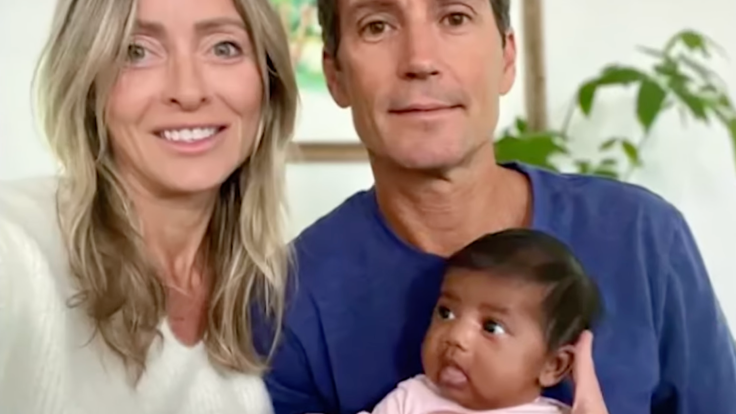
A Florida couple who gave birth to a baby girl after an IVF clinic implanted the wrong embryo will keep and raise her permanently, even as the fate of their own embryos stays unknown.
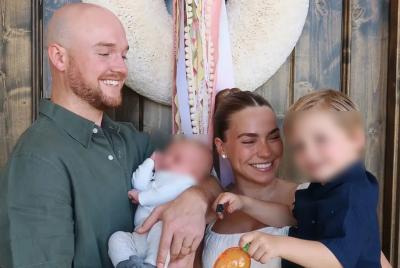
Tiffany Score and Steven Mills have reached a private custody agreement with their daughter's biological parents, securing their place as her legal mother and father.
The deal, disclosed in an Orange County court filing on 12 June 2026, ends one of the most wrenching disputes to emerge from America's loosely regulated fertility industry. Their broader lawsuit against the clinic and its founder, however, is far from over.
A Birth That Revealed an Embryo Transfer Gone Wrong
Score gave birth to a healthy girl, named Shea, on 11 December 2025 after in vitro fertilisation at the Fertility Center of Orlando in Longwood. The couple, both white, grew alarmed almost immediately because their newborn, in the words of their complaint, displayed the physical appearance of a racially non-Caucasian child. Genetic testing soon confirmed their fear, showing the baby had no biological link to either parent.
The couple sued on 22 January 2026 in Orange County Circuit Court, naming IVF Life Inc, which trades as the Fertility Center of Orlando, and its lead reproductive endocrinologist, Dr Milton McNichol.
The filing, reported in detail by the New York Post, said the pair had stored three viable embryos at the clinic back in 2020. Their attorney later said tests found Shea to be 100 percent South Asian. The defendants, as summarised by NBC News, have not disputed that the baby 'should be, but is not, the genetic child' of the plaintiffs.
Score and Mills made their intentions plain from the start. They told the court they had formed an intensely strong emotional bond during the pregnancy, and after the biological parents were traced they vowed to love and be the child's parents forever.
How DNA Detective Work Traced the Biological Parents
Identifying Shea's genetic parents took months of investigation. Attorneys for Score and Mills pressed the clinic to test other patients from the same period, narrowing the search to an anonymous woman recorded in filings only as Patient 004.
A court filing detailed by the Orlando Sentinel described how a second woman came forward after reading news reports, saying she had an embryo implanted on the same day as Score.
In April the couple's lawyers announced that the biological parents had been found. Score and Mills released a statement saying the discovery closed one chapter of a heartbreaking journey while raising fresh questions, according to Fox 13 Tampa Bay.
They noted that the fate of their own embryos remained unanswered and was 'even more unlikely to ever be answered'. Both families later agreed to meet in person to discuss what came next.
The custody breakthrough came on 12 June. Mara Hatfield, the couple's attorney, wrote that her clients and Patient 004 had reached a mutually devised agreement recognising Score and Mills as the permanent custodial parents of their daughter.
Circuit Judge Margaret Schreiber welcomed the resolution at a hearing on Monday, telling the court, 'I'm glad the parties have reached an agreement while this child is relatively young.'
An Unregulated Industry Under Fresh Scrutiny
The case has trained a harsh light on the oversight of assisted reproduction in the United States. Critics argue the country is an outlier among wealthy nations, with no reliable national database tracking clinic errors.
'No authority meaningfully polices IVF providers,' Dov Fox, director of the University of San Diego's Center for Health Law Policy and Bioethics, told NBC News.
Federal involvement is thin by design. A Congressional Research Service overview notes that states hold the primary role in licensing fertility professionals, while embryology laboratories are certified by two non-governmental accreditation bodies rather than a federal regulator.
The Food and Drug Administration largely issues recommendations rather than binding rules on the handling of reproductive tissue.
The Fertility Center of Orlando, meanwhile, has unravelled. The clinic announced on 30 March 2026 that it was shutting down, directing former patients to transfer their care elsewhere.
A separate lawsuit has since accused the same clinic and McNichol of allowing a woman with a documented history of severe mental illness to act as a surrogate, in a pregnancy that ended in the newborn's death. Score and Mills have signalled they may widen their own claims as more about the alleged laboratory failures emerges.
Score and Mills have settled the question of the daughter they will raise, yet somewhere in the wreckage of a shuttered clinic the question of their own three embryos, and whether a stranger is raising their biological child, remains unanswered.
© Copyright IBTimes 2025. All rights reserved.
- Recommended For You