Brisbane Mum's Miracle Quads Beat 1-in-15-Million Odds, But Her Specialist Is One of Just 17 Left in Queensland
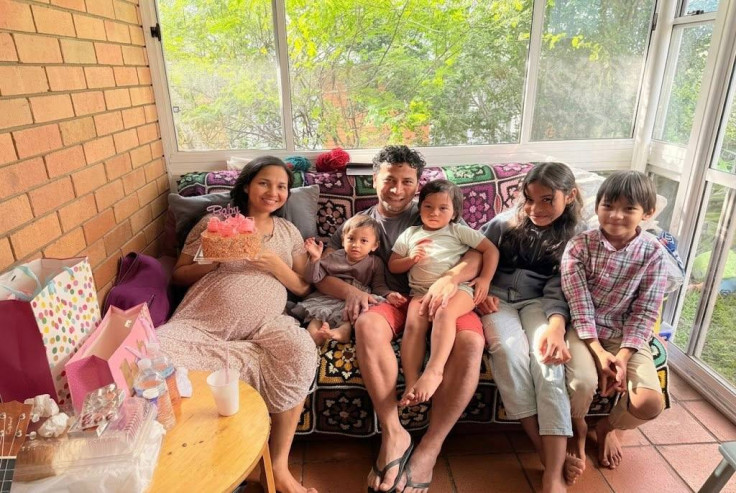
A one‑in‑15‑million identical quadruplet pregnancy that turns a Brisbane family of six into ten.
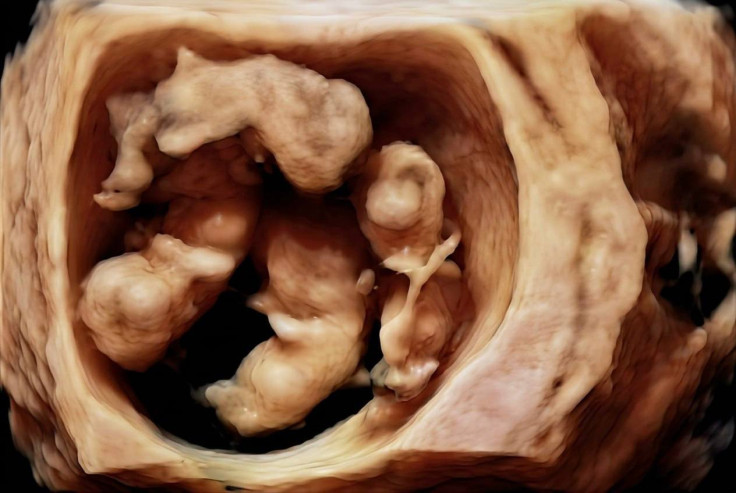
A Brisbane mother has given birth to naturally conceived identical quadruplets. This one-in-15-million rarity is a case managed by one of only 17 maternal-foetal medicine specialists still practising in Queensland, exposing a critical workforce shortage that has left regional maternity services on the brink.
Jenitar Sau Na'amoana, 34, already a mother of four, delivered Emily, Harriet, Alexa and Catherine at Royal Brisbane and Women's Hospital (RBWH) at 28 weeks and four days, under the care of Dr Alexa Bendall, a specialist whose field is now so understaffed that some rural hospitals have been forced to suspend birthing services.
One-in-15-Million Quadruplets
RBWH has confirmed that the four girls are monozygotic quadruplets – they developed from a single fertilised egg and shared one placenta. Dr Bendall and maternal-foetal medicine professor Nick Fisk have described the configuration as exceptionally rare, possibly even rarer than the global estimate of one in 15 million.
In a statement and broadcast interviews, RBWH said the delivery was by caesarean section, and the babies are receiving care in the hospital's neonatal intensive care unit. Staff have described the birth as one of the most unusual they have ever managed.
Dr Bendall told Australian media that the single placenta created an extremely high-risk pregnancy, with four foetuses sharing the same blood supply. Hospital staff and external specialists say monochorionic multiple pregnancies can involve uneven blood flow and growth restrictions, which is why Na'amoana's case was managed as a high priority from early on.
Speaking to the media, Dr Bendall said the team carefully planned the timing of the births and closely monitored the mother and babies throughout. She described the outcome as remarkable, noting that all avoided major complications despite being born prematurely.
Specialist Shortage Already Straining Maternity Services
The rare birth has drawn attention to a growing crisis in Queensland's maternity workforce. Dr Bendall is one of just 17 maternal-foetal medicine specialists remaining in the state, a number that has fallen as senior doctors retire and recruitment fails to keep pace.
Separate Queensland Health assessments have highlighted significant vacancy rates across regional services. A 2025 government report found obstetrics vacancies of up to 14 per cent, anaesthetics nearly 18 per cent, and midwifery more than 11 per cent at some facilities, contributing to repeated birthing bypasses at rural hospitals.
Eight regional and rural sites have experienced periods where birthing services were temporarily unavailable, forcing pregnant women to travel long distances to larger centres. Health officials have linked these bypasses directly to workforce shortages and outlined plans to fill more than 150 clinical positions through training and recruitment.
Four Tiny Girls, Long Hospital Stay
RBWH has said the quadruplets are currently stable in neonatal care and expected to remain in hospital until they reach the developmental equivalent of full term. Dr Bendall says the girls are 'doing well in the nursery' and are 'strong' despite being born at around seven months' gestation, with ongoing monitoring of their breathing, heart function and growth.
Videos show the newborns supported by incubators and tube feeding, while staff work with the parents in preparation for eventual discharge. The family have launched an online fundraising campaign to help cover medical, travel and everyday costs and to buy a larger vehicle for their now-family of ten.
Medical Milestone and System Warning
RBWH and national broadcasters have framed the birth as an 'extremely rare' event and a 'giant miracle', while also noting the complexity involved in managing such pregnancies. Coverage of the case has repeatedly referenced existing concerns about maternity staffing in Queensland, where doctors and midwives warn that workforce pressures can affect access to high-risk and regional birthing services.
Health workforce gap analyses prepared for Queensland Health suggest obstetrics and anaesthetics shortages are likely to persist without sustained recruitment and retention measures. For families like Na'amoana's, clinicians and observers say the combination of one-in-15-million odds and documented staffing gaps underscores the importance of maintaining experienced obstetric teams at major hospitals such as RBWH – and raises urgent questions about how long the state can continue to deliver specialist care to those who need it most.
© Copyright IBTimes 2026. All rights reserved.
- Recommended For You