

Hatsune Miku Cosplayer's $15 Red Liquid 'Foot Juice' Booth at a US Anime Convention Reportedly Draws a Long Queue
Unverified claims of a cosplayer selling 'foot juice' at a US anime convention stir online debate.
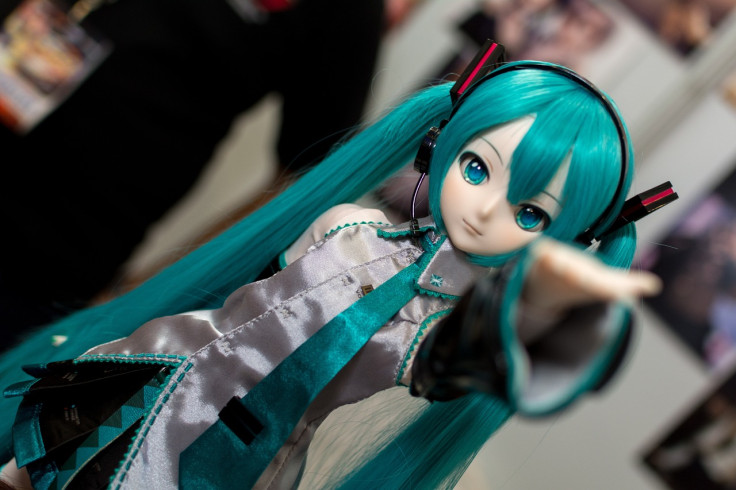
A Hatsune Miku cosplayer has sent the internet into a tailspin after allegedly setting up a convention booth to sell bottles of red liquid described as 'foot juice' for £11.80 ($15) each.
The story spread rapidly across social media following posts by @FujiNews_ on X and the Facebook page animekuraii, both of which claim the booth drew a long queue at an unspecified US anime convention. The specific convention, the cosplayer's identity, and the composition of the liquid have not been independently confirmed.
The posts have nonetheless generated thousands of reactions, arriving at a moment when the market for cosplayer-adjacent personal products has become a genuine, if deeply strange, corner of internet commerce.
The Viral Post and What It Claims
According to the circulating posts, a cosplayer dressed as Hatsune Miku, the iconic turquoise-haired virtual singer developed by Crypton Future Media and first released in August 2007, set up a booth at a US anime convention and sold small bottles of a red liquid marketed as 'foot juice.' The reported price was £11.80 ($15) per bottle.
COSPLAYERS VENDEN AGUA DE SUS PIES
— Fuji News (@FujiNews_) May 25, 2026
Algunas cosplayers protagonizaron el momento más surrealista de una convención en Estados Unidos al ofrecer "jugo fresco de pies" directamente desde una hielera.
Durante una reunión nocturna no oficial del evento, las jovenes sumergieron sus… pic.twitter.com/lw6kmVoTGH
The Facebook post from animekuraii, an anime fan content page, stated that the cosplayer 'left the internet speechless.' The X post from @FujiNews_ amplified the claim to a wider audience.
Neither post links to an original video, names the convention or the seller, nor provides documentation of sales. Both function as aggregator reposts rather than verified journalism.
The claimed queue and buyer interest, if accurate, would place this squarely within a pattern that the internet has seen before, and not all that long ago.
The 'Used Item' Market and Its Documented Precedents
The most widely cited precedent is Belle Delphine, the South Africa-born cosplayer and content creator who launched what she called 'GamerGirl Bath Water' in July 2019. The product: jars of water she had bathed in, sold at £23.70 ($30) each, sold out within three days, with reports suggesting roughly 600 units were purchased.
As NBC News reported in 2024, Delphine later disclosed that PayPal seized more than £71,000 ($90,000) from her account, resulting in a financial loss despite the product's viral success.

The concept resurfaced in May 2025 when actress Sydney Sweeney partnered with natural soap brand Dr Squatch on a product called 'Sydney's Bathwater Bliss', a limited-edition soap bar made with water from Sweeney's bath, priced at approximately £9.50 ($12) per bar.
Only 5,000 bars were released, each accompanied by a certificate of authenticity. The product sold out quickly and became a major talking point online, suggesting that the appetite for such items remains active even outside dedicated fandom spaces.
What was once a fringe stunt has, in a few years, become something closer to a recognisable market category.
Hatsune Miku's Fandom and the Convention Economy
The choice of a Hatsune Miku cosplay as the vehicle for this alleged stunt is not incidental. Miku is one of the most cosplayed characters at anime conventions worldwide, owing to the sheer scale of her fandom. According to Crypton Future Media, her creator, officially licensed Miku costumes can cost up to £158 ($200), with wigs reaching an additional £23.70 ($30), though many fans hand-craft their outfits entirely.
Miku's cultural reach extends well beyond convention floors. The Hatsune Miku Expo 2026 North America tour ran from April to May 2026, drawing sold-out crowds across multiple US cities. Reviewers on Ticketmaster described the concerts as 'unlike any experience' they had witnessed, with the energy of fellow fans described as a defining feature of the show.
That level of devotion creates fertile conditions for exactly the kind of parasocial commerce the 'foot juice' story represents. As the Milwaukee Independent noted in January 2025, anime and Vocaloid fandoms are particularly susceptible to what researchers describe as one-sided emotional bonds, attachments that companies, and increasingly individual creators, have learned to monetise.
Verified or not, the fact that the story required no names, no receipts, and no proof to spread at speed says as much about the internet in 2026 as any confirmed sale ever could.
© Copyright IBTimes 2026. All rights reserved.