

Ann Widdecombe Murder Suspect Re-Arrested for Terror Acts as Investigation Explodes
A veteran politician's violent death in a quiet Devon village has suddenly become a counter-terror case, and the questions now outnumber the answers.
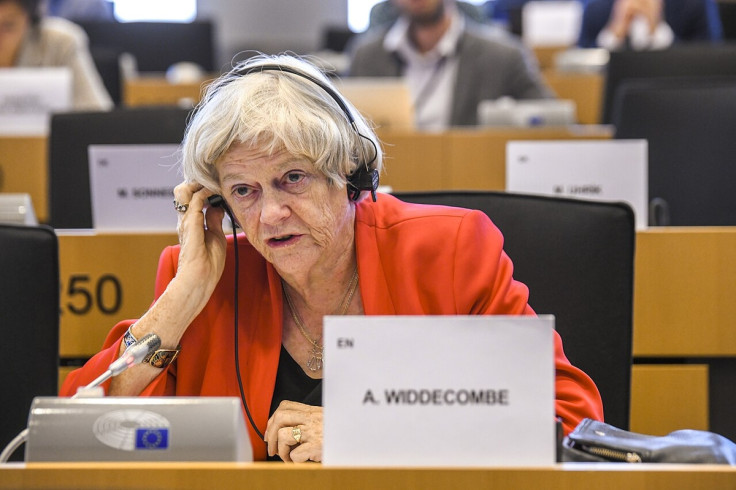
Ann Widdecombe's killing in her home is now being treated as a potential terror incident, after Counter Terrorism Policing (CTP) took over the investigation and re-arrested a 28-year-old man on suspicion of preparing or instigating acts of terrorism. The former Conservative MP, 78, was found dead with severe injuries at her property in Haytor, Devon, on Thursday 9 July, police said.
Devon and Cornwall Police initially launched a straightforward murder inquiry. Officers were called to Widdecombe's house by the ambulance service at around 11.40am that day, and the veteran politician was pronounced dead at the scene. A 28-year-old white British man from Rotherham, South Yorkshire, was arrested on suspicion of murder on Saturday 11 July and has remained in custody since.
In the days that followed, what first appeared to be a high-profile but conventional homicide began to shift into something more complex. Investigators say that 'new information and evidence' unearthed during what they describe as a 'dynamic and complex investigation' prompted Counter Terrorism Policing South East (CTPSE) to assume primacy.
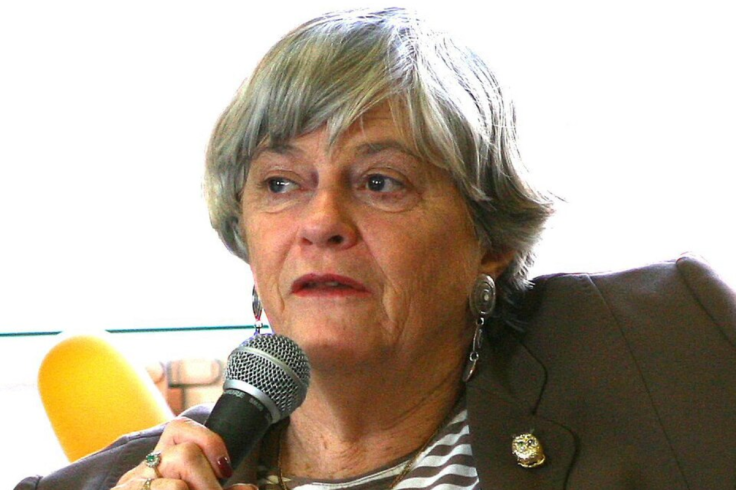
Police have not disclosed what that information is, nor have they set out any alleged ideological motive. For now, the public is being asked to accept a significant escalation in the case on the strength of officials' assurances that the threshold for terror legislation has been met.
Counter-Terror Officers Take Charge of Ann Widdecombe Case
CTP confirmed on Monday that specialist officers from across its national network have been working alongside Devon and Cornwall's Major Crime Investigation Team since the murder inquiry began but are now formally leading the Widdecombe investigation.
As part of that shift, the man already held on suspicion of murder has been re-arrested on suspicion of the 'commission, preparation or instigation of acts of terrorism.' That wording tracks the core offence under UK terror laws, and typically signals that detectives believe the alleged conduct may go beyond a single violent act.
Head of National Counter Terrorism Policing, Laurence Taylor, said the handover was based squarely on fresh material gathered over the past few days.
'Building on the progress made by our colleagues in Devon and Cornwall Police, we now have new information and evidence that means Counter Terrorism Policing is now leading the investigation,' he said.
He added that officers were 'pursuing multiple lines of enquiry to establish the motivation for this attack,' stressing that the priority was to move 'quickly, with all the capabilities we have available to us.'

Taylor thanked local residents, the wider public and the media for what he called their 'ongoing support and patience,' and urged anyone with information, no matter how minor it might seem, to contact police. No further details of the suspect, including how he may be linked to Widdecombe or why he was in Devon, have been made public.
At this stage, nothing has been confirmed about the nature of the alleged terror element, and key questions including whether others might be involved remain unanswered. Those gaps matter, and until officials release more, many of the assumptions circulating online should be treated with caution.
Political Shock as Home Secretary Briefs MPs on Ann Widdecombe Murder
At Westminster, the killing of Widdecombe has landed with particular force, given her long and sometimes divisive career in public life. Home Secretary Shabana Mahmood confirmed she had spoken directly with the head of Counter Terrorism Policing about the case and that the unit was now leading the investigation 'following new information and evidence.'
Mahmood told MPs she would deliver a fuller update to the House of Commons later on Monday, signalling that ministers expect the case to remain under intense scrutiny.
'The police are pursuing multiple lines of inquiry to establish the motivation for this attack,' she said, describing Widdecombe's death as a 'horrific murder.' 'My thoughts today remain with Ann's family and friends, and all those who loved her.'
Parliament, which has weathered the murders of Jo Cox in 2016 and Sir David Amess in 2021, is once again confronting the reality that high-profile public figures can be vulnerable targets. None of the agencies involved has yet drawn any direct comparison with previous attacks, but the decision to invoke terror powers inevitably raises public concern about the safety of politicians, both in Westminster and in their constituencies.
For residents in Haytor and across Devon, the shift from a local murder inquiry to a national counter-terror operation is a jarring development. What began as a police cordon around a single property has expanded into a multi-force, intelligence-led effort, drawing in specialists from across the UK.
CTPSE has said it will continue working 'closely' with Devon and Cornwall's Major Crime team and with other units in the Counter Terrorism Policing network to piece together the events that led to Widdecombe's death. That work now turns on a central, unresolved issue: not just how she died, but why.
Police are still appealing for witnesses, dashcam footage and any other information that might help them reconstruct the suspect's movements before 9 July or shed light on his possible motives. Until those threads are pulled together, the killing of Widdecombe sits in an uneasy space between confirmed fact and unanswered suspicion, with a family waiting for clarity and a political class bracing for what that clarity might reveal.
© Copyright IBTimes 2026. All rights reserved.