Andrew Mountbatten-Windsor Threat Trial Postponed Over Defendant's Mental Health Concerns
Court delays trial to assess defendant's mental health in case involving alleged threat to Andrew Mountbatten-Windsor.
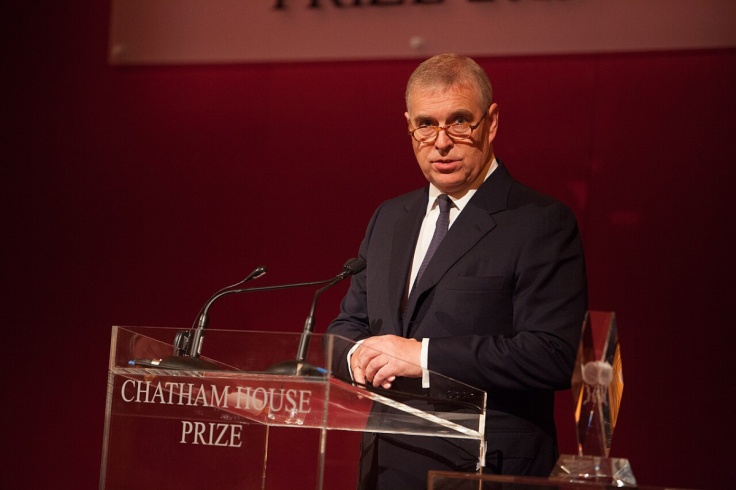
A trial over an alleged threat against Andrew Mountbatten‑Windsor near his home on the Sandringham Estate in Norfolk has been postponed to 21 December after a judge in London raised concerns about the defendant's mental health at a hearing this week.
The case had been due to be heard at Westminster Magistrates' Court on Wednesday, but Chief Magistrate Paul Goldspring agreed to delay proceedings while psychiatric assessments are completed.
The court was told 39‑year‑old Alex Jenkinson had recently undergone a psychiatric assessment, with a full report expected by early August. Goldspring said the new material needed proper consideration before any trial could fairly go ahead.
Neither Jenkinson nor Andrew Mountbatten‑Windsor was present for the hearing, which focused on legal and evidential arguments.
Allegations Against Alex Jenkinson
Jenkinson is accused of causing the King's brother to 'fear unlawful violence' during an encounter on 6 May, when Andrew was reportedly walking his dogs near Marsh Farm, his residence on the royal estate.
He is charged with using threatening, abusive or insulting words or behaviour with intent to cause fear or provoke unlawful violence against the former Duke of York in an incident at Wolferton on the Sandringham Estate.
A separate charge alleges similar conduct towards another man, Stephen Terry, in King's Lynn on 5 May.
Jenkinson, who did not attend court on Wednesday, has pleaded not guilty to both public order offences. He has, however, admitted failing to provide a specimen of blood while in custody on 6 May, a matter being dealt with separately.
At an earlier stage of the case, the court heard Jenkinson had been detained under the Mental Health Act for about a month following his arrest, before being placed in temporary accommodation in a Travelodge.
Prosecutors said the trial, now listed for 21 December, is likely to include evidence from Andrew Mountbatten‑Windsor himself, given by videolink rather than in person.
Three witnesses are expected to be called for the prosecution, with Andrew among them.
Phone Evidence at Centre of Court Dispute
Prosecutors intend to rely on material taken from Jenkinson's mobile phone, including online searches, as part of their case. Defence barrister Claire Howell told the court that a police officer had produced a 341‑page download of material from the device, compiled using keyword searches.
According to submissions in court, those searches included terms such as 'Andrew', 'search Sandringham' and 'weapons', with a separate hearing referencing searches involving 'Prince Andrew' and 'birthday'.
Howell indicated there were legal objections to how the material had been collected and filtered, signalling a likely dispute over what the magistrate will be allowed to see.
Jenkinson remains on conditional bail under restrictions set by the court. Records show he is barred from going near a list of royal residences, including Sandringham, Buckingham Palace, Balmoral, Windsor and Highgrove, and is prohibited from entering Norfolk or contacting Andrew Mountbatten‑Windsor directly or indirectly.
Case Comes Amid Wider Scrutiny of Andrew
The alleged confrontation took place shortly after Andrew was moved to Marsh Farm on the Sandringham Estate, following pressure to vacate Royal Lodge in Windsor amid ongoing scrutiny of his association with convicted sex offender Jeffrey Epstein.
The King later removed his right to be a prince and his dukedom. Andrew has consistently denied any wrongdoing in relation to Epstein.
The case now involves issues of public order law, royal security and mental health. When the trial takes place in December, Andrew's evidence, given by videolink from an undisclosed location, is expected to set out his account of what was said during the encounter at Sandringham.
© Copyright IBTimes 2026. All rights reserved.
- Recommended For You