

Huawei's 2013 Bonus Scheme: US Prosecutors Say Employees Were Paid for Rivals' Confidential Information
Prosecutors cited a 2013 policy offering payments for competitors' confidential information as a Brooklyn jury convicted Huawei of conspiring to steal trade secrets

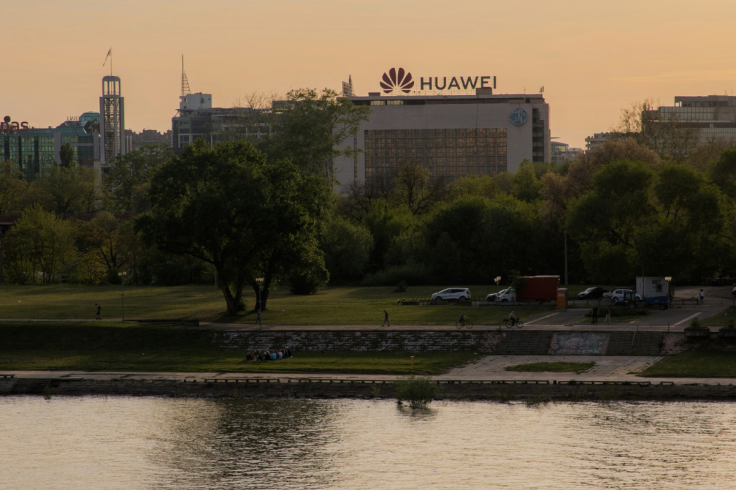
Huawei was convicted by a federal jury in Brooklyn on 24 November of conspiring to steal trade secrets from rival companies. Prosecutors had presented a 2013 policy that they said offered employees payments for obtaining competitors' confidential information.
The jury found Huawei guilty on 10 of the 12 criminal counts it faced, including bank fraud, wire fraud, conspiracy to violate US sanctions and conspiracy to steal trade secrets. It acquitted the company of racketeering conspiracy and conspiracy to obstruct justice.
Prosecutors presented the bonus policy as evidence of a wider effort to obtain competitors' technology over roughly two decades. The trade-secret conspiracy conviction did not amount to separate findings on every incident cited by the government.
A 2013 Policy Set Payments for Confidential Information
A third superseding indictment filed in the Eastern District of New York on 13 February 2020 described a policy Huawei introduced in July 2013. It said the company established a rewards schedule for employees of Huawei affiliates who obtained confidential information from competitors, with payments based on the value of the material.
Under the policy described in the indictment, employees were instructed to upload information to an internal Huawei website or send especially sensitive material through encrypted email to a designated company mailbox. A 'competition management group' reviewed submissions and awarded monthly bonuses to employees who provided the most valuable information. The top regional divisions could also receive twice-yearly awards.
A separate indictment filed in January 2019 in the Western District of Washington specified that the top three regions could receive those awards. It also described a 12 July 2013 email from Huawei USA's Executive Director of Human Resources to US employees. The indictment said the email stated that collecting competitors' confidential information was prohibited under Huawei USA policy, while acknowledging that such a programme might be considered normal in some other countries and regions. It did not say that Huawei China's bonus programme had been suspended.
Prosecutors Cited Incidents Involving Rival Companies
Prosecutors presented several episodes to support the trade-secret conspiracy charge. They alleged Huawei obtained router source code belonging to Cisco Systems, the US networking equipment maker, and antenna technology developed by Quintel, a wireless telecommunications company.
The government also alleged Huawei used a professor as an intermediary to gain access to a circuit board developed by CNEX, a semiconductor company. Jurors watched footage that prosecutors said showed a Huawei employee placing a robotic arm from T-Mobile's testing robot in a backpack. Prosecutors also cited an allegation that a Huawei engineer entered a Fujitsu trade-show booth to photograph equipment.
Huawei's lawyers argued that prosecutors had combined separate disputes and individual employee misconduct to portray ordinary business activity as a company-wide conspiracy. They said some information was publicly available and that Huawei had paid licensing fees and disciplined or dismissed employees involved in misconduct.
Huawei Says It Will Appeal the Convictions
Defence lawyer Brian Heberlig said Huawei was disappointed by the verdict and expected to appeal. He described the racketeering acquittal as 'a profound rejection of the United States' narrative about what Huawei is'.
In a statement on 25 November, Huawei said the charges on which it was convicted lacked legal and factual merit. It said the five trade-secret disputes cited by prosecutors had been resolved through civil proceedings and that no court had found it liable for wilful intellectual property misappropriation. Huawei said it would take all necessary legal action to defend its rights and interests.
The case began with a 2018 indictment concerning Huawei's business in Iran and representations to financial institutions about its relationship with Skycom and its Iran-related operations. Prosecutors expanded the charges in 2020 to include an alleged conspiracy to obtain trade secrets from US technology companies. US District Judge Ann Donnelly is scheduled to sentence Huawei on 14 September 2027.
© Copyright IBTimes 2026. All rights reserved.