

iPhone 17 Pro Max Buried Until 2276 May Never Switch On Again, and the Reason Should Worry Every Owner
Even a fresh battery could not wake the phone without Apple's activation servers saying yes
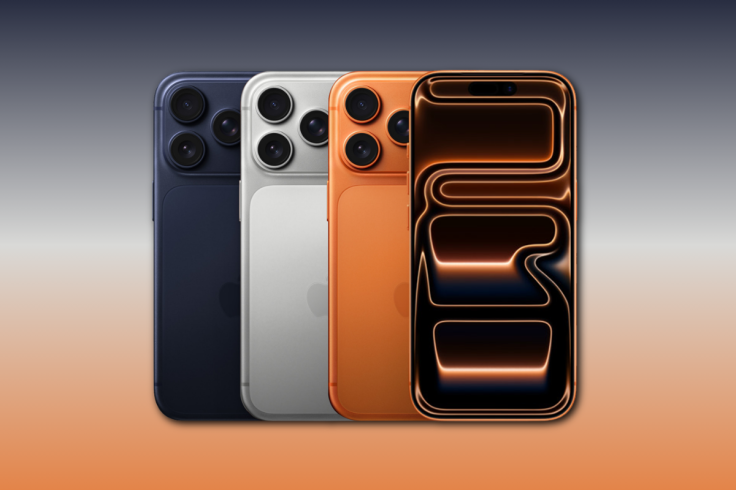
An iPhone 17 Pro Max buried beneath Philadelphia on 4 July will stay sealed until 2276, yet the biggest reason it may never switch on again is not its dying battery. It is Apple's own activation system, which locks the phone's full functions behind company servers that may no longer exist in 250 years.
The Cosmic Orange handset entered America's Time Capsule, a 900-pound stainless steel container packed with artefacts from all 56 US states and territories. Sealed by America250 during the nation's 250th anniversary, the capsule will open 250 years later in 2276 to mark 500 years of American independence.
A Snapshot of 2026 Sealed in Steel
The deconstructed phone serves as a benchmark of 21st-century technology. It sits beside a Library of Congress molecular vial containing synthetic DNA encoded with Thomas Jefferson's rough draft of the Declaration of Independence.
America250 chairwoman Rosie Rios said the capsule was designed to give future generations 'a clear, authentic window into who we were at 250'. Jay Nanninga, the National Institute of Standards and Technology engineer who designed the enclosure, said he expects 'all the stainless will be in really good shape'. The hardware inside is another matter.
The Battery Is Only the First Problem
Lithium-ion cells degrade chemically whether or not they are used. Batteries left on a shelf typically last around four years before serious capacity loss sets in, according to analysis published by Forbes, and no consumer battery chemistry available today survives on century timescales.
Replacing the cell would not save the phone either. Apple's battery replacement process requires an internet connection, the latest version of iOS, and the company's proprietary Repair Assistant software to complete the digital pairing the phone demands. Without Apple's servers running in 2276, even a fresh battery leaves the device stranded.
Apple Keeps the Keys to Its Own Gift
This server dependence spoils an otherwise feel-good story. Forbes contributor Ewan Spence argued the phone must ping Apple's servers to fully activate. While organisers stored the artefacts in the local Notes app for offline viewing, Apple's strict setup screen will block historians from opening the app if those servers no longer exist.
Apps face the same wall. Apple reviews and notarises every application, including those on alternative app stores, so third-party software dies with the App Store infrastructure. Spence concluded that Apple has gifted an iPhone to the future but 'has kept the keys to unlock it'.
Why This Matters for the Phone in Your Pocket
The 2276 scenario is an extreme version of a question facing every owner of the $1,199 (£899) device today. If a phone cannot fully function without one company's servers, the buyer is closer to renting than owning it.
This same dependence shows up in everyday 2026 problems like bricked second-hand phones, corporate repair approvals, and trapped digital legacies that courts are still sorting out.
Regulators have pushed back, with the European Union forcing alternative app stores and US states mandating right-to-repair access to parts and tools, yet none of these laws guarantee a phone can ever function without its maker's blessing.
The capsule's organisers hope the iPhone will show 2276 how far technology had come. It may instead show that millions of Americans carried devices they never fully controlled, now sealed beneath Philadelphia.
© Copyright IBTimes 2026. All rights reserved.