

iOS 27 Compatibility List: Which iPhones Will Get Apple's New Update and What Is Changing
iOS 27 brings AI upgrades and performance improvements to older iPhones, extending their lifespan
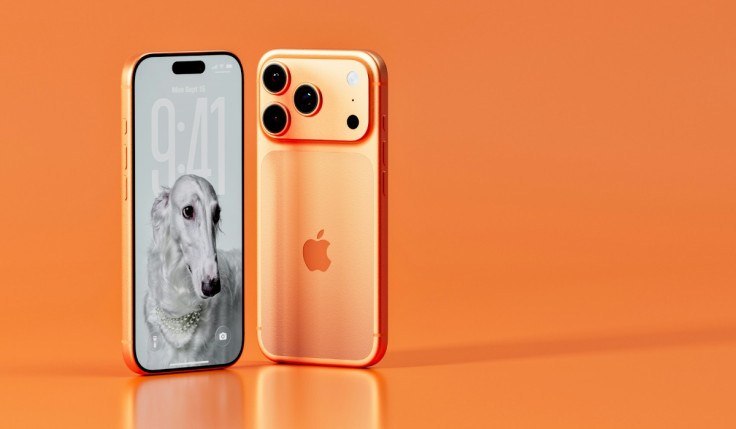
Apple has surprised millions of users by extending iOS 27 support to every iPhone currently running iOS 26, keeping the iPhone 11 series alive for another year while introducing major AI upgrades, performance improvements, and a refined user experience.
The tech giant officially unveiled iOS 27 during its Worldwide Developers Conference (WWDC) 2026 keynote, ending weeks of speculation about which devices would make the cut. Many industry watchers had expected the company to drop support for the iPhone 11 range, but Apple instead confirmed that the upcoming software update will remain compatible with all iPhones supported by iOS 26.
Which iPhones Will Receive iOS 27?
The iPhone 11, first released in 2019, will continue receiving Apple's latest software features and security updates, extending the lifespan of one of the company's most popular handsets. At the same time, iOS 27 introduces a range of new capabilities centred on Apple Intelligence, Siri, performance optimisation, and interface improvements.
According to Apple, iOS 27 will be available on all devices currently supported by iOS 26. The compatibility list includes the iPhone 11, iPhone 11 Pro, iPhone 11 Pro Max, iPhone SE (3rd generation), all iPhone 12 models, iPhone 13 models, iPhone 14 models, iPhone 15 models, iPhone 16 models, and the latest iPhone 17 lineup.
The confirmation came as a surprise because several reports and leaks ahead of WWDC suggested that Apple would discontinue support for the iPhone 11 family and older devices. Instead, the company opted to maintain compatibility, allowing more users to benefit from the new software without upgrading their hardware.
Why the iPhone 11 Support Decision Matters
Apple's decision reinforces its reputation for offering long-term software support. While many smartphone manufacturers stop providing major operating system updates after only a few years, Apple continues to support devices released nearly seven years ago.
For consumers, that means additional years of security updates, access to new features, and better value from existing devices. The move may also delay upgrade plans for many users who were considering replacing their iPhone 11 solely because of software support concerns. Community reaction online was overwhelmingly positive, with many users expressing relief that their devices would remain supported.
The Biggest Changes Coming in iOS 27
One of the headline additions is a redesigned Siri experience powered by the next generation of Apple Intelligence. Apple has introduced a dedicated Siri app that allows users to maintain ongoing conversations through voice or text. Conversation history can also sync across devices through iCloud.
The upgraded assistant is designed to be more conversational and context-aware. Siri can better understand follow-up questions, personal context, and on-screen content, helping users complete tasks more naturally. Apple has also expanded integration across native apps, including Safari, Photos, Phone, and Passwords.
Another notable change is the refinement of Apple's Liquid Glass design language. Following criticism about readability and transparency levels, Apple has introduced a new slider that lets users adjust the effect from nearly opaque to highly transparent. This gives users greater control over the appearance of their devices.
Performance Improvements Could Benefit Older iPhones
Reports from WWDC coverage indicate that iOS 27 includes numerous bug fixes, system optimisations, and efficiency improvements aimed at making the operating system smoother and more responsive. Several observers have described the update as a refinement-focused release that prioritises stability alongside new features.
This could be especially beneficial for older devices such as the iPhone 11 and iPhone 12 series. Reduced interface overhead, improvements to the Liquid Glass system, and general optimisation efforts may help deliver faster navigation, improved app responsiveness, and potentially better battery efficiency. However, Apple has not yet published detailed benchmark data demonstrating specific performance gains.
Some early community discussions have already highlighted hopes that iOS 27 will improve responsiveness compared with previous software versions, particularly on ageing hardware.
Not Every Feature Will Be Available on Every iPhone
Apple has indicated that some advanced Apple Intelligence capabilities will require newer hardware. The most demanding AI features are expected to perform best on recent Apple silicon and newer iPhone models with greater processing power. As a result, users with older devices may receive the update but miss certain premium AI functions.
Even so, those users will still gain access to the broader software improvements, interface refinements, security updates, and many of the core features arriving with iOS 27.
When Will iOS 27 Be Released?
Apple has already made developer beta versions available following its WWDC announcement. A public beta is expected later this summer, while the final version of iOS 27 is anticipated to launch in September alongside Apple's next generation of iPhones.
For now, the biggest takeaway is clear: if your iPhone currently runs iOS 26, it is set to receive iOS 27. Combined with a smarter Siri, expanded Apple Intelligence capabilities, interface refinements, and a focus on performance and stability, Apple's latest software update could prove to be one of the most user-friendly releases in years.
© Copyright IBTimes 2026. All rights reserved.