

SpaceX AI Phone Rumours Explained: Report Claims Investors Were Shown a Slim Prototype After Elon Musk's Denial
A whispered glimpse of a SpaceX AI phone shows how far Elon Musk may be willing to go to own the screens, as well as the skies, of the AI era.
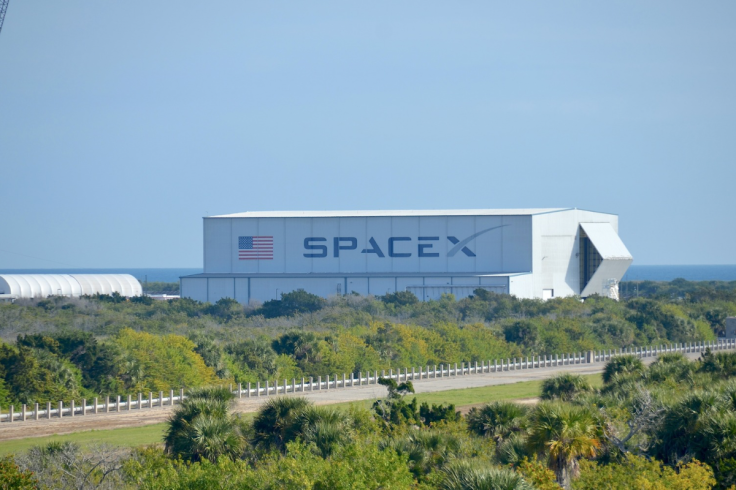
SpaceX has quietly shown investors in the United States an early prototype of a slim AI phone-style device in recent weeks, according to people briefed on the meetings, despite Elon Musk publicly insisting earlier this year that the company was 'not developing a phone.'
Reports shared with investors describe a handset-like SpaceX AI device that looks broadly like a modern smartphone, but thinner than an iPhone and running a proprietary operating system tied to xAI, Musk's artificial intelligence company. The device is said to sit at a very early stage of development, and those briefed have been told the design may change significantly and might never actually reach consumers.
SpaceX AI Phone Prototype Aims to Link Musk's Tech Empire
The news came after months of speculation about whether Musk would build his own phone to sidestep Apple and Google, whose mobile platforms currently control access to xAI's chatbot services. Right now, most users reach xAI through iOS or Android, which means Musk's AI ambitions are effectively riding on the rails of other tech giants. A dedicated SpaceX AI phone would give him a direct line to customers, without asking anyone's permission to be in their app store.
Some existing investors in SpaceX and Tesla have been told that Musk has long had his eye on a consumer device that would act as a connective tissue for his companies, according to people familiar with those conversations. On paper at least, the idea is pretty simple: one platform that handles AI tools, communications, payments and other services, instead of juggling multiple apps and systems that belong to rivals.
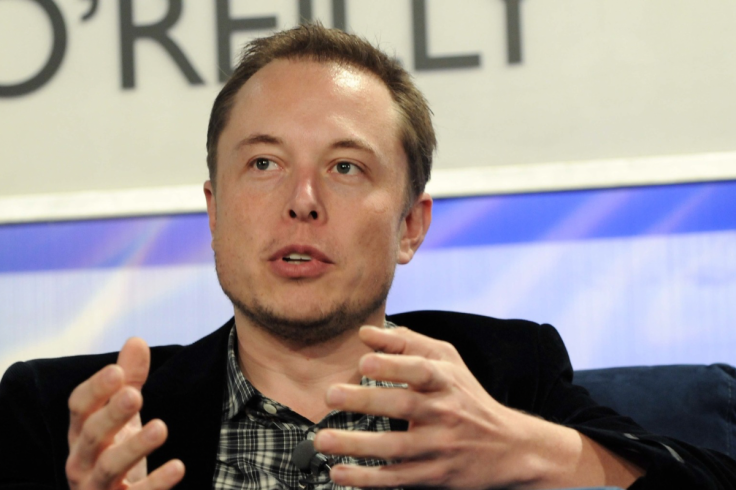
That vision fits neatly with Musk's long-trailed 'everything app' dream for X, the social network he bought in 2022 when it was still called Twitter. People familiar with the SpaceX AI phone prototype say it reflects that same mentality in hardware form. In other words, not just another handset, but a portable front door into a single, Musk-controlled ecosystem.
If that sounds familiar, it is because the model is already well established in parts of Asia. Superapps such as WeChat and Alipay have become one-stop portals where users can chat, shop, pay bills, book taxis and access services without ever really leaving the app. In the last few years, companies have begun weaving AI into those platforms, turning them into more active digital assistants rather than passive menus. Musk appears to be eyeing something similar, but fused to a bespoke device.
SpaceX brings an extra layer to that equation. The company operates the Starlink satellite network, which beams internet connectivity to homes, businesses and remote locations and already offers limited cellular-style service in partnership with carriers including T‑Mobile. A SpaceX AI phone that is tightly integrated with Starlink could, in theory, talk more directly to the company's infrastructure than an off-the-shelf smartphone, edging towards a vertically integrated stack that spans orbit to pocket.
Public Denial at Odds With SpaceX AI Phone Talk
It can be recalled that Musk himself has given distinctly mixed messages on this front. In February, he flatly rejected suggestions that SpaceX was working on a phone, posting on X: 'We are not developing a phone.' The previous October, he went further, making no attempt to hide his disdain for the entire category. 'The idea of making a phone makes me want to die,' he said, adding a caveat that was hard to ignore, 'But if we have to make a phone, we will.'
That tension, between public reluctance and private experimentation, is partly what has kept the SpaceX AI phone rumour mill spinning. On one level, Musk has a point. Cracking the smartphone market in 2026 is a brutal prospect. Apple and Samsung dominate globally, with Chinese manufacturers snapping at their heels. New entrants face a wall of problems, from manufacturing scale and supply chains to persuading developers to build apps for yet another ecosystem. It is not just hard, it is expensive, and unforgiving when you get the stuff people touch every day even slightly wrong.
Yet the investor briefings suggest Musk is at least willing to poke at that wall. Even if the current prototype never sees a retail box, the work underlines how competitive the AI race has become. The battle is no longer just over models and chatbots, but over the hardware and operating systems that frame how humans interact with those systems. Whoever owns the device and the OS owns the default settings, and history shows default settings are where the real power sits.
SpaceX is hardly alone. OpenAI is developing its own AI-centred devices, looking for ways to embed its technology in physical products rather than relying purely on apps. ByteDance, parent company of TikTok, has already released a smartphone built around its Doubao AI model. The direction of travel is clear enough. If AI is going to be the main interface for tasks, search and services, then tech firms want a say over the plastic and glass users are holding when they ask for help.
So far, nothing about the SpaceX AI phone has been officially confirmed by the company, and there is no launch date, price or even a public acknowledgement that the project exists. For now, what investors have seen is a slim, Snapdragon-powered prototype running custom software, and a set of ambitious pitches about AI tools, communication and services converging in one place.
Whether Musk truly wants to go to war with Apple and Google on their home turf, or is simply building leverage while he pushes X and xAI deeper into existing phones, is a question only he can answer. Judging by his past form, even he might not have decided yet.
© Copyright IBTimes 2026. All rights reserved.