NATO Expects Europe to Unite on Iran War as Trump Calls Them 'Cowards' Amid Oil, Market Chaos
Alliance chief urges unity while leaders scramble to stabilise markets and reopen the Strait of Hormuz to prevent a global energy shock.
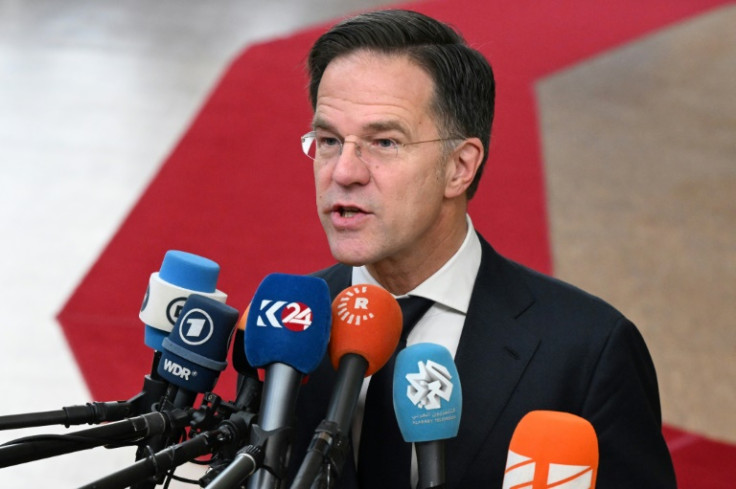
As the world braces for the fallout from the deepening crisis in the Middle East, Europe finds itself in the middle of making difficult decisions involving an intensifying Iran war and volatile global markets. With the latest escalations, NATO Secretary General Mark Rutte expects European nations to 'come together' despite rising tensions with Washington and fears the conflict could spread.
His comments landed just as US President Donald Trump launched another attack on the alliance, calling NATO a 'paper tiger' and accusing European countries of cowardice for not fully backing his military pressure on Iran.
Behind the political drama, however, lies a growing global crisis. Oil markets are swinging, shipping through the Strait of Hormuz remains disrupted, and governments across Europe are moving quickly to prepare for the economic shock.
Rutte Calls for European Unity Despite Trump's Criticism
Speaking on CBS' 'Face the Nation' on Sunday, Rutte, long seen as a Trump supporter, made it clear Europe needs to hold its nerve even as tensions with Washington rise.
According to Politico, the NATO chief said he believes European governments 'always come together' when faced with an escalating crisis involving Iran and the United States. It was a pointed effort to reassure allies worried the alliance could start to crack under pressure.
That reassurance followed Trump's sharp criticism on his Truth Social account on Friday. The 79 year old US president accused European governments of failing to support his strategy against Iran and dismissed NATO as ineffective without American strength.
The blunt tone has unsettled leaders across Europe, many of whom are trying to balance support for US security priorities with a clear desire to avoid being pulled deeper into the conflict.
For NATO diplomats, the stakes are much bigger than political pride and bruised egos. A divided alliance risks weakening Western influence at a moment when the Middle East crisis is already shaking global energy markets and financial stability.
Starmer and Trump Agree on Need to Reopen Strait of Hormuz
Despite the public clashes, there are signs of coordination behind closed doors. BBC News reported that British Prime Minister Keir Starmer spoke with Trump late on Sunday, and both agreed that reopening the Strait of Hormuz is essential to restoring global shipping.
The narrow passage carries a large share of the world's oil. Disruptions there have already sent energy prices and shipping insurance costs sharply higher.
According to a Downing Street spokesperson, Starmer and Trump plan to speak again soon. Both leaders believe reopening the route as key to stabilising the global energy market.
The 20 minute call, described by Downing Street as 'constructive', came as Western officials warn that any prolonged closure could push up inflation, deepen energy shortages and add to economic instability across several regions.
Iran, for its part, has repeatedly warned it could shut the route if its infrastructure comes under attack.
Emergency 'Cobra' Meeting Held in London
The economic risks are already being felt inside many governments. Hence, Starmer chaired an emergency 'Cobra' or 'Cabinet Office Briefing Room A' meeting in Whitehall with senior ministers and economic leaders to discuss 'every lever available' to ease cost of living pressures in Britain.
Among those attending were Foreign Secretary Yvette Cooper, Chancellor Rachel Reeves and Bank of England Governor Andrew Bailey. The group focused on what the conflict could mean for the UK economy.
Officials are also expected to examine the likely impact on energy prices, inflation and supply chains if oil flows remain disrupted.
The government is watching closely as rising fuel costs threaten to intensify the pressure already facing households. The move followed comments from International Energy Agency chief Fatih Birol, who compared the current Iran crisis to the shocks of the 1970s and the impact of Russia's invasion of Ukraine in 2022.
Markets Brace for Sharp Losses as War Fears Grow
Financial markets have reacted quickly to the latest developments. CNBC reported that Asian stocks slid as investors weighed the risk of a deeper confrontation between the United States and Iran. Oil prices have also swung sharply following Trump's 48 hour ultimatum demanding Iran to reopen the Strait of Hormuz.
Analysts expect European markets to follow Asia's lead when trading begins. Major indices including the Stoxx 600, FTSE 100, DAX and CAC 40 are all likely to open lower as the conflict weighs on sentiment.
Investors are especially concerned about the risk to energy supplies. Even limited disruption in the strait can ripple through the global economy, given how much oil passes through it each day.
Iran Threatens Regional Energy Infrastructure
The situation has taken a more dangerous turn with new warnings from Tehran. Iranian parliament speaker Mohammad Bagher Ghalibaf said the country would 'irreversibly destroy' key energy and water infrastructure, including desalination plants and power networks across the Middle East, if the United States targets its power facilities, The Guardian reported.
The warning also includes the full closure of the Strait of Hormuz, which Iran says would only reopen if its 'detroyed power plants' are rebuilt.
Iranian president Masoud Pezeshkian said the 'threats and terror' from Washington are strengthening unity among Iranians, pointing out Trump's 'illusion' of wiping out Iran entirely shows 'desperation against the will of a history-making nation,'
Those statements have heightened fears of a wider infrastructure conflict that could disrupt energy supplies and essential services across several countries.
Security analysts warn that attacks on these facilities could trigger cascading effects far beyond the immediate battlefield.
A Fragile Moment for NATO and the Global Economy
For Europe, the crisis now sits at the crossrods of security, economics and political unity.
Rutte's call for solidarity suggests NATO leaders are working to keep the alliance intact under growing strain. But Trump's criticism and the escalating conflict with Iran are testing that unity at a time when the global economy already feels fragile.
As markets brace for a turbulent week and governments scramble to shield their economies, the question facing Europe is no longer only about Iran. It is whether the alliance meant to guarantee Western security can hold together as the world watches what comes next in a widening war.
© Copyright IBTimes 2026. All rights reserved.
- MOST POPULAR IN World