

Islam Projected To Overtake Christianity by 2035 as Muslim Births Outnumber Christian Births, Pew Says
The US-based research centre says Muslims will number 2.57 billion by then, against 2.52 billion Christians
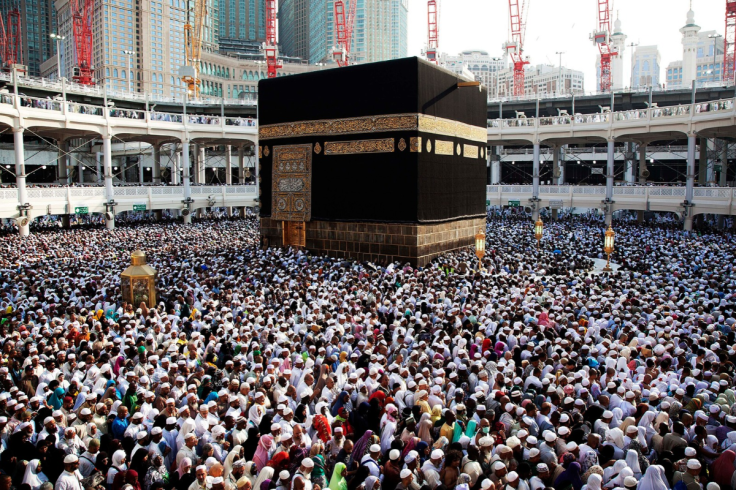
Islam is projected to overtake Christianity as the world's largest religion by 2035, according to findings released by Pew Research Center on Wednesday. By then, Pew forecasts 2.57 billion Muslims worldwide, compared with 2.52 billion Christians.
Its estimates show that births are the main reason for the projected change. Around 252 million babies were born to Muslim mothers between 2020 and 2025, compared with 208 million born to Christian mothers. Both religious populations are expected to continue growing.
Christianity was the world's largest religion in 2020, with an estimated 2.27 billion followers, compared with 2.02 billion Muslims.
Pew found that Muslim women had higher total fertility rates during 2020–2025, at 3.1 children per woman compared with 2.5 among Christian women. The younger age profile of the global Muslim population is another factor.
The Pew Research Center study covers 201 countries and territories and projects population changes through 2070. Researchers used census and survey data alongside assumptions about births, deaths, migration and changes in religious identity.
Why Muslim Births Are Driving the Projected Shift
The fertility gap helps explain why the Muslim population is expected to grow faster than the Christian population. Pew estimated a total fertility rate of 1.6 children per woman among women outside those two religious groups during 2020–2025.
'It's the babies,' Pew senior demographer Conrad Hackett told the Associated Press, explaining why fertility matters more than conversion in the projections.
Between 2020 and 2070, Pew forecasts that births will exceed deaths by approximately 1.6 billion among Muslims, compared with 792 million among Christians. These are projected cumulative population gains from births and deaths, not numbers attributed to conversion.
Religious Switching Plays a Smaller Role in Islam's Growth
Religious switching is not expected to account for Islam overtaking Christianity. Pew projects a net loss of eight million Muslims through switching between 2020 and 2070, compared with 105 million Christians. Most people projected to leave Christianity are expected to become religiously unaffiliated.
Movement directly between the two faiths is expected to be broadly balanced. Pew estimates that 9.2 million Muslims will become Christians, while nine million Christians will become Muslims over the period.
Christianity is nevertheless projected to grow in absolute numbers. By 2070, Pew forecasts more than 3.6 billion Muslims and just under three billion Christians, assuming recent demographic patterns persist.
What Pew Projects for Britain and the Wider World
Pew expects much of the growth in both religions to occur in sub-Saharan Africa. By 2070, the region is projected to contain more than half of the world's Christians.
Pakistan is forecast to have the largest Muslim population, at approximately 461 million.
The outlook in Britain differs from the worldwide shift. According to Pew's country-level projections, the share of UK residents identifying with no religion will rise from 40.2% in 2020 to 52.3% in 2070.
The Muslim share is forecast to increase from 6.4% to 16%, while the Christian share falls from 49.4% to 25.4%.
Those national forecasts do not mean Islam is expected to become Britain's largest religion by 2035. Nor does the projected global crossover imply Christianity is shrinking worldwide. Pew's figures describe one demographic trajectory and could change if fertility, migration or religious identification follow different patterns.
© Copyright IBTimes 2026. All rights reserved.