

'Right to Protest': Mamdani Disbands NYPD Strategic Response Group and Overhauls Police Response to Protests
New rules prohibit kettling and tear gas during First Amendment activities, with new police teams planned
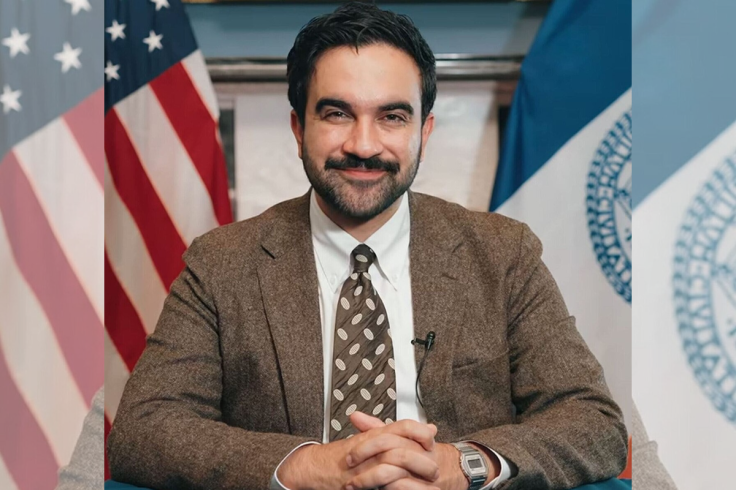
New York City Mayor Zohran Mamdani has announced an overhaul of protest policing, disbanding an NYPD unit criticised for its handling of demonstrations and restricting officers' use of tear gas. The changes separate counter-terrorism from protest response while police representatives say it could weaken public safety.
Mamdani and Police Commissioner Jessica Tisch announced the decision on Monday, 16 November, fulfilling a campaign promise. About 500 SRG officers will be reassigned, not dismissed.
Why the SRG Became Controversial
Created in 2015, the Strategic Response Group (SRG) was a rapid-deployment force handling counter-terrorism and demonstrations. Its crowd-control methods attracted scrutiny during the 2020 protests after George Floyd's murder.
Lawsuits over the NYPD's response alleged wrongful arrests and excessive force against protesters, journalists and legal observers. A 2023 agreement resolving the cases required changes to protest policing, including restrictions on kettling and improved treatment of the press. It set arrest rules and required warnings before crowd-control actions at public demonstrations. These were allegations about the department's conduct, not findings against every SRG officer.
Mamdani said protesters exercising their constitutional rights should not face the same response as people presenting a terrorism threat.
'New Yorkers exercising their constitutional right to protest should not be met with the same police response as a terrorism threat', he said.
Tear Gas and Crowd-Control Restrictions
The new rules prohibit officers from using tear gas and long guns during First Amendment activities. They also prohibit kettling, a tactic in which police surround a group and restrict its ability to leave.
Pepper spray will not be used as a crowd-management tool. This is not an unconditional ban on every use of the spray.
Long-range acoustic devices will be limited to 90 decibels. Officers will also be prohibited from using bicycles as weapons, except when necessary to prevent death or physical injury to an officer or another person.
How the New Protest Teams Will Work
The changes create a civilian-led Community Dialogue and De-escalation Division within the Mayor's Office of Community Safety. It will coordinate protest planning and responses with the NYPD without weapons or arrest powers.
The NYPD will establish a 30-officer First Amendment Support Team within its Community Affairs Bureau. It will lead dialogue efforts while the civilian division is being built.
A new Patrol Support Division will provide crowd-management assistance. Its vetted officers will receive specialist training and may make arrests at demonstrations in rare instances when necessary. They will otherwise perform patrol duties.
Police Union Objects to the Decision
Police Benevolent Association president Patrick Hendry criticised the move, saying it risked public and officer safety. He argued the changes could leave police less able to respond when demonstrations disrupt roads or create disorder.
Tisch defended the overhaul, saying it would preserve the NYPD's ability to protect the public while separating counter-terrorism and protest response.
The SRG's counter-terrorism functions will move to the NYPD's Intelligence and Counterterrorism Bureau. Reassignments are expected to be completed before spring, with the unit's dissolution scheduled for mid-February 2027 under the mayor's order.
The mayor's office said the changes would be implemented without increasing or reducing NYPD headcount and at no additional cost. The plan redistributes existing personnel and responsibilities.
© Copyright IBTimes 2026. All rights reserved.