

Migrant Toddlers Could Face Immigration Court Without a Lawyer As Republicans Vote To 'Weaken Protections'
The One Big Beautiful Bill Act introduces changes impacting unaccompanied migrant children amid ongoing legal aid funding disputes.
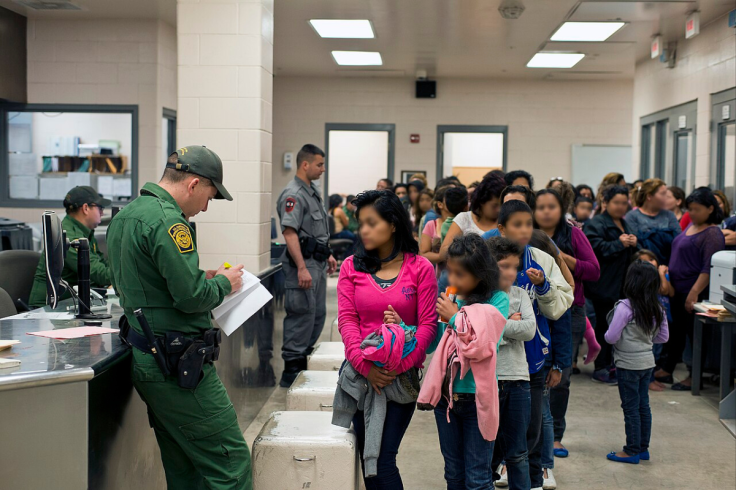
Children barely old enough to speak could be left to face US immigration court without a lawyer after Republicans passed the One Big Beautiful Bill Act, legislation that critics say weakens protections for unaccompanied migrant children while an ongoing legal battle continues to threaten funding for the attorneys who represent them.
The One Big Beautiful Bill Act (H.R. 1) passed the House by 218-214 and the Senate by 51-50, with Vice President JD Vance casting the tie-breaking vote. It was signed into law on 4 July 2025.
While widely reported for its tax and spending measures, the Republican-backed law also introduces changes affecting unaccompanied migrant children. Those include new asylum-related fees and provisions that critics say make it easier to deport vulnerable minors before key safeguards have been completed.
The legislation comes as the Trump administration continues to battle in court over federal funding for lawyers representing unaccompanied children. Since March 2025, officials have repeatedly cut, restored and cut again the federal contract funding legal representation, leaving roughly 26,000 children without an attorney at various points despite court rulings finding the cuts unlawful and Congress having already approved the funding.
Unlike criminal defendants, children appearing before US immigration courts are not guaranteed a publicly funded lawyer. Non-profit organisations have long relied on federal grants to provide free legal representation and 'Know Your Rights' orientations, helping children navigate immigration proceedings and protect their legal rights.
Campaigners warn that, without legal representation, children fleeing violence, trafficking or abuse face a far greater risk of deportation because they cannot effectively present their cases before an immigration judge.
'Every child deserves someone who can explain the process, protect their rights, and stand beside them in court,' a campaign supporting unaccompanied children said.
What the Bill Changes of Future of US Immigration
While the One Big Beautiful Bill Act is largely focused on taxes and government spending, it also contains several provisions directly affecting unaccompanied migrant children.
The law imposes new fees on children seeking asylum, including charges for asylum applications and work permits. It also repeals the fee exemption for Special Immigrant Juvenile Status, a protection available to migrant children who have been abused, neglected or abandoned.
The legislation also funds intrusive body examinations for minors, many of whom are survivors of trafficking or abuse.
Another provision allocates funding to deport unaccompanied children before they have been screened for trafficking or received a full hearing before an immigration judge, a measure critics argue removes protections intended to identify children at risk of exploitation.
Senate Democrats have introduced legislation to reverse those provisions, with Sen. John Hickenlooper describing them as 'cruel'. Despite those objections, the One Big Beautiful Bill Act became a law earlier this month.
Legal Aid in Limbo for Migrant Children
The changes contained in the One Big Beautiful Bill Act come as legal aid for migrant children remains uncertain despite ongoing court battles.
Although courts have ruled against the administration's funding cuts, enforcement has been inconsistent. Estrella del Paso, a legal aid organisation run by the El Paso Catholic Diocese, says federal officials are withholding more than $765,000 (around £572,000) in reimbursements for representing children already in the immigration system.
The Justice Department has also shut down its own legal aid programme before reportedly asking a Texas state commission created for indigent criminal defence to help fill the gap, a move immigration lawyers and public defenders have criticised as an inadequate substitute for specialised immigration legal services.
Even before the latest funding dispute, legal representation was far from universal. According to 2023 Department of Justice figures, only 56% of unaccompanied minors appearing before US immigration courts had legal representation.
For toddlers and other very young children, advocates say the consequences are especially severe. Without a lawyer to explain immigration court proceedings, prepare asylum claims, gather supporting evidence and speak on behalf of children too young to understand the legal process, their chances of securing protection are significantly reduced.
Critics argue that the One Big Beautiful Bill Act does not itself remove lawyers from immigration court. Instead, they say it imposes new barriers for vulnerable migrant children while legal aid funding remains tied up in court battles that have already left thousands without representation.
Taken together, advocates say, the legislation and the ongoing funding dispute leave unaccompanied migrant children facing US immigration court without a lawyer and with fewer protections than before.
For children fleeing violence, trafficking or abuse, they argue, the outcome of their cases may depend not only on the facts, but on whether anyone is there to speak for them.
© Copyright IBTimes 2026. All rights reserved.