Inside Pete Hegseth's Alleged Paranoid Decision That Triggered a Major Military Purge
Defence Secretary Pete Hegseth faces criticism over the abrupt dismissal of Army Chief of Staff Gen. Randy George amid allegations of paranoia and internal disputes.

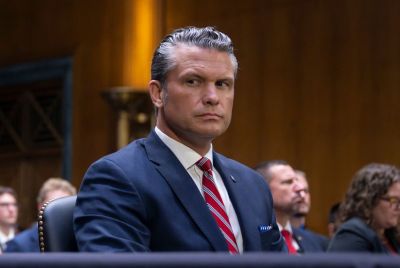
Defence Secretary Pete Hegseth is under renewed scrutiny after reports claimed paranoia inside the Pentagon played a central role in his decision to remove one of the military's top generals, intensifying concerns about instability at the highest levels of US defence leadership.
Why Did Pete Hegseth Fire Randy George?
According to multiple reports, Hegseth abruptly fired Army Chief of Staff Gen. Randy George after becoming convinced the four-star general had leaked sensitive internal information tied to a dispute over military promotions. The dismissal reportedly came without advance notice and shocked officials across Washington, where George had been widely viewed as a respected and experienced leader.
The reported suspicion of a leak centred on an internal battle over a promotions list for future generals. Hegseth's office had allegedly pushed for certain names to be removed, including minority officers and figures seen as politically problematic. Army Secretary Dan Driscoll reportedly resisted those efforts, setting off a confrontation that deepened tensions between the Pentagon chief and senior Army leadership.
George's attempt to intervene in that dispute appears to have placed him directly in Hegseth's crosshairs. Rather than being seen as a mediator, reports suggest the general was viewed as disloyal. That perception, fuelled by fears of leaks and internal opposition, culminated in his swift ouster. Critics say the episode reflects a leadership style driven less by strategy and more by suspicion.
Pete Hegseth And Dan Driscoll's Growing Rift
The controversy has also highlighted Hegseth's worsening relationship with Driscoll. Reports describe months of friction between the two men, with disagreements over Army reforms, promotions, and management style. Some accounts suggest Hegseth feared Driscoll was gaining influence inside the Trump administration and could even emerge as a rival. Those concerns have fueled accusations that recent personnel changes were motivated by insecurity rather than national security priorities.
Lawmakers from both parties have raised alarms over the turmoil. Members of Congress questioned why key military leaders were being removed during a period of heightened global tensions, warning that chaos inside the Pentagon can damage morale and readiness. Supporters of George have argued that experienced commanders are being sidelined at the very moment continuity is most needed.
The firing is not an isolated controversy. Hegseth has already faced criticism over previous internal purges, leak investigations, and management disputes since taking office. Opponents argue the latest episode adds to a growing pattern in which loyalty tests and personal grievances overshadow professional military judgment.
Despite the backlash, the White House has publicly stood by Hegseth, praising his focus on military readiness and alignment with President Donald Trump's agenda. That support may protect him politically for now, but it has not quieted concerns from defence analysts who warn that constant upheaval at the top of the chain of command carries real risks.
For many observers, the deeper issue is not just one firing but what it reveals about the atmosphere inside the Pentagon. If paranoia and fears of betrayal are shaping decisions about top commanders, critics say the consequences could extend far beyond Washington's internal power struggles.
© Copyright IBTimes 2026. All rights reserved.
- Recommended For You